
Hurricane Roof Preparation for Southwest Florida Homes
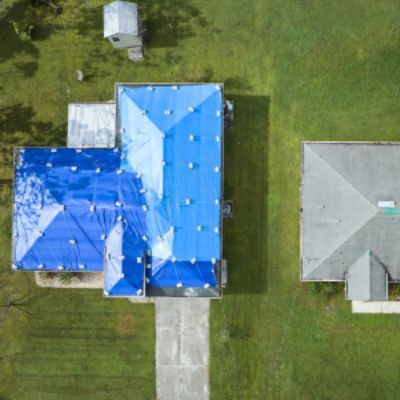
The Atlantic hurricane season runs from June 1 to November 30. The easiest time to get your roof ready is a calm, dry day well before a storm. Have the roof inspected and fix small problems. Learn your roof’s wind-resistance features, such as roof-to-wall connections, deck attachment and a secondary water barrier, and keep photos and records of the roof’s condition. After a storm, stay off the roof, check it from the ground, photograph any damage, and hire only a Florida-licensed contractor (you can verify any license at MyFloridaLicense.com). Kelly Roofing has looked after roofs in Lee and Collier counties since 1972.
Before the season: a simple roof checklist
You don’t need to do everything at once. A little attention in the spring goes a long way.

- Schedule a professional roof inspection. A roofer can spot loose or cracked tiles, lifted shingles, loose metal edges or fasteners, worn flashing, and aging underlayment before storm season. Our Roofiversary program inspects roofs every other year, including roofs we didn’t install.
- Look from the ground, not the ladder. With binoculars, look for missing or slipped tiles or shingles, loose edge metal, and anything sitting on the roof that shouldn’t be there.
- Keep water moving. Clear gutters, downspouts and flat-roof drains so heavy rain can drain away.
- Trim trees back from the roof. Overhanging limbs can scrape a roof or fall on it in high wind. Hire a tree professional for large limbs.
- Check the attic after a heavy rain. Stains, damp insulation or daylight around roof penetrations are worth having looked at.
- Gather your roof records. Keep your permit, proposal, product information, warranty and any wind mitigation report together in a safe place, and keep a digital copy too.
How Florida’s building code rates roofs for wind, in general terms
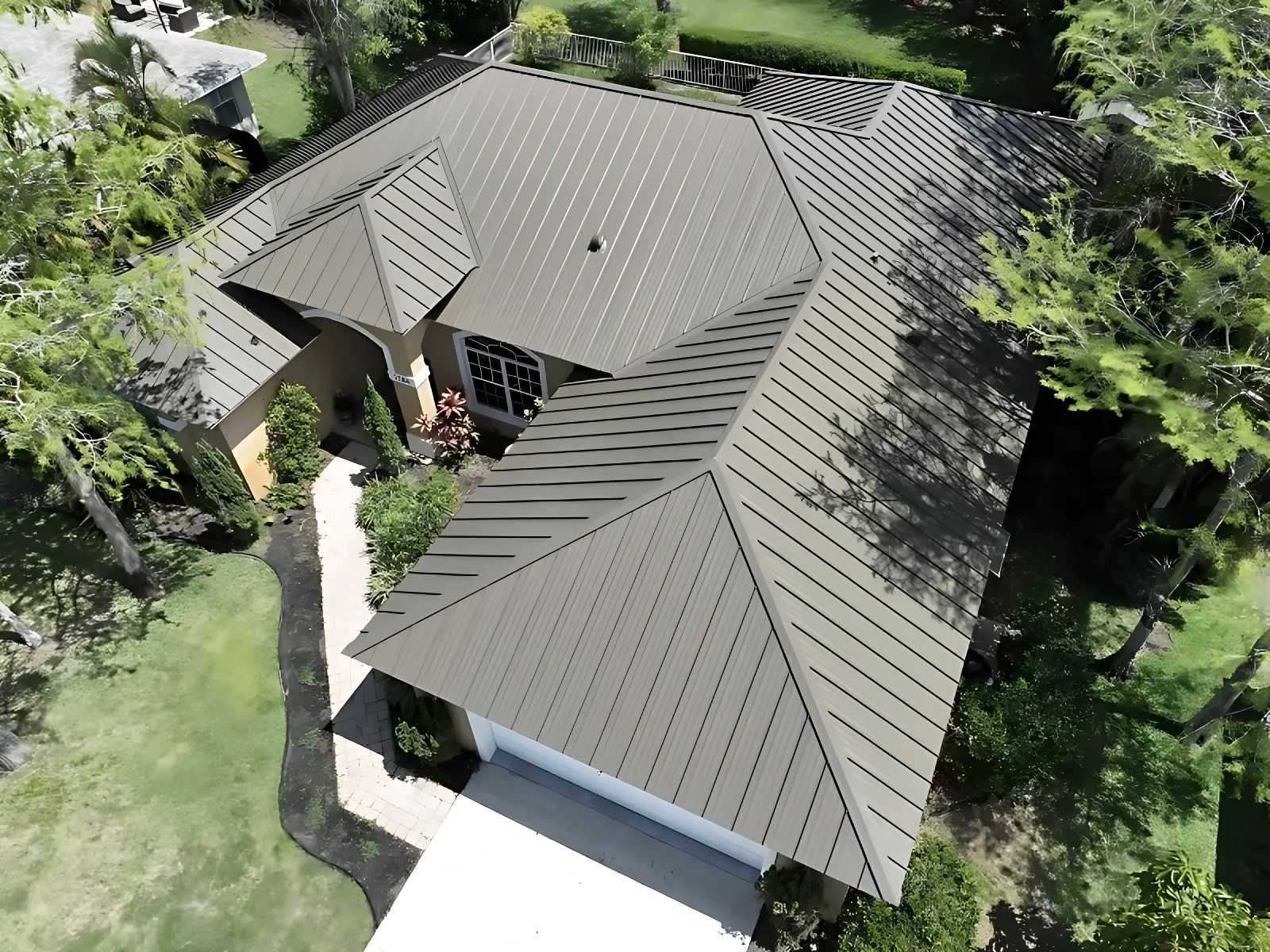
- Wind design depends on location. The Florida Building Code sets design wind speeds by location from wind-speed maps based on the ASCE 7 national standard. Roof systems, and how they’re attached, must be designed and installed for the site’s wind loads.
- Lee and Collier follow the statewide code provisions. The code’s separate High-Velocity Hurricane Zone rules apply only in Miami-Dade and Broward counties. Many coastal areas, including much of Southwest Florida, are in the code’s wind-borne debris region, which adds requirements for protecting openings such as windows and doors.
- Products must be approved. Roofing products installed in Florida generally need a Florida Product Approval (or a local approval), and approval numbers are part of the permit record. You can look up products on the Florida Building Code Information System.
- A wind warranty isn’t a code rating. The mph figure in a manufacturer’s wind warranty and the code’s design wind speed for your address are different things. Ask your roofer to explain both in writing.
- Re-roofing brings upgrades. Under Florida law, replacing the roof on a site-built single-family home must include a secondary water barrier and strengthened roof-deck attachment (section 553.844, Florida Statutes). Kelly installs a peel-and-stick underlayment as part of its standard re-roofing system.
Roof-to-wall connections: the link that holds your roof on
In high wind, the place where the roof framing meets the walls carries a lot of force. Metal clips or straps at that connection help keep the roof attached to the house. Wind mitigation inspectors look closely at the type of connector, how it was installed, and how many fasteners were used.
- When it’s part of a re-roof: Florida law requires roof-to-wall connection improvements during a roof replacement on a site-built single-family home in the wind-borne debris region with an insured value of $300,000 or more, or, if uninsured, a just value of $300,000 or more for tax purposes. The requirement applies only when the work can be done for about 15 percent of the cost of the roof replacement, with gable ends and corners given priority (section 553.844).
- What to ask: When you get a re-roof proposal, ask whether your home falls under this rule and what the proposal includes.
- Roof shape matters too. Wind mitigation forms give credit for hip roofs, which slope on all sides. Roof shape is part of the original design and usually can’t be changed during a re-roof.
Wind mitigation inspections and insurance credits
Florida law requires residential property insurers to offer actuarially reasonable discounts, credits or other rate differences for homes with proven wind-mitigation features (section 627.0629, Florida Statutes). Those features are documented on the state’s Uniform Mitigation Verification Inspection Form (OIR-B1-1802), which a qualified inspector completes. A revised version of the form took effect on April 1, 2026, and a completed form is generally valid for up to five years if nothing material changes (Florida Office of Insurance Regulation). Your insurer decides what credit applies to your policy.
Learn more on our wind mitigation page. Florida’s My Safe Florida Home program has helped homeowners with hardening inspections and grants. Check the program’s own site for current eligibility and funding. Kelly is a current My Safe Florida Home contractor; see our My Safe Florida Home page.
Document your roof for insurance, before and after
Before a storm
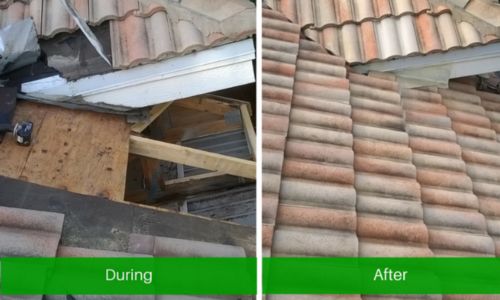
- Take dated photos or a short video of each side of the roof from the ground, plus the attic if you can safely reach it.
- Keep copies of your roof permit, invoice, product information, warranty and wind mitigation form.
- Keep your policy’s declarations page handy and know how to reach your insurer.
- Store copies somewhere that won’t be affected by the storm, such as a cloud folder or with a family member.
After a storm
- Photograph any damage before cleanup, from the ground and inside the home, and write down the date.
- Your policy may ask you to take reasonable steps to prevent more damage. A temporary repair, such as a tarp or dry-in done by a licensed roofer, can help. Keep the receipts, and check with your insurer about what it expects.
- How Kelly helps: we document the roof’s condition with photos and give you a clear, itemized written estimate. Under Florida law, roofing contractors may not interpret your policy or adjust your claim unless they’re licensed public adjusters. For coverage questions, talk with your insurer or agent.
After the storm: safety first
- Wait until local officials say it’s safe to go out. Stay away from downed power lines and standing water that might be energized.
- Run generators outdoors only, well away from windows and doors, to avoid carbon monoxide.
- If you smell gas, leave the house and call the gas company or 911 from a safe place. If water has reached outlets or wiring, shut off power at the main breaker only if you can do it safely.
- Stay off the roof. Check it from the ground with binoculars. Don’t climb a ladder alone or in the dark, and watch for nails and debris on the ground.
- Leave temporary roof covering to a licensed roofing crew.
Official resources: the Florida Division of Emergency Management and the National Hurricane Center's preparedness guide.
How to spot and avoid storm-chaser scams
After a big storm, out-of-area crews and door-knockers often arrive. Some are legitimate and some are not. Florida has specific rules to protect homeowners, and knowing them makes it easier to say no to the wrong offer.
What Florida law says, in general terms
- No inducements. Contractors may not offer a rebate, gift, gift card, cash, coupon, deductible waiver or anything else of value in exchange for inspecting your roof or for making an insurance claim (section 489.147, Florida Statutes).
- Claim-related ads must carry warnings. Ads urging you to call about a roof insurance claim must say that you’re responsible for your deductible, and that waiving or rebating a deductible or filing a false claim is insurance fraud.
- Contractors can’t act as your adjuster. A contractor may not interpret your policy, advise you on your coverage, or adjust your claim unless it holds a public adjuster license.
- You’re owed an itemized estimate. A contractor can’t hand you an agreement authorizing repairs under an insurance claim without a good-faith, itemized estimate.
- You can cancel after a declared emergency. If you sign a roof repair or replacement contract within 180 days of a state of emergency declared by the Governor for your area, you may cancel without penalty within 10 days after signing or by the official start date, whichever comes first. The cancellation must be sent in writing by a mailing method that provides proof.
- Unlicensed work during an emergency is a felony. Contracting without a license during a declared state of emergency is a third-degree felony (section 489.127, Florida Statutes).
- Insurance benefits generally can’t be signed over. For residential and commercial property policies issued on or after January 1, 2023, post-loss benefits generally can’t be assigned to a contractor (section 627.7152, Florida Statutes).
Red flags
- Only out-of-state references, or no local address
- Cash only, or full payment before materials arrive
- “Today only” specials or pressure to sign on the spot
- Offers to “cover” or “waive” your deductible
- Asking you to sign anything that gives them control of your insurance claim
- No permit, or a permit in someone else’s name
What to do instead
- Verify the license at MyFloridaLicense.com.
- Ask for a certificate of insurance and a written, itemized proposal.
- Make sure the contractor will pull the permit in its own name.
- Report suspected insurance fraud to the Florida Department of Financial Services, and report unlicensed contractors to DBPR.
How Kelly can help, before and after a storm
- Roof inspections and maintenance through Roofiversary
- Repairs on tile, shingle, metal and flat roofs
- Emergency temporary repairs to stop water coming in, available 24/7 at a flat $599 during business hours or after hours, with the permanent repair estimated separately
- Code-compliant re-roofs on existing homes, with the required permits and inspections
- Photo documentation and itemized estimates you can share with your insurer
We’ve served Lee and Collier counties, from Naples, Marco Island and Ave Maria to Bonita Springs, Estero, Fort Myers and Cape Coral, since 1972, and after Hurricane Ian we were the first roofer on Sanibel and Captiva. We work only in these two counties, so we’ll still be here after the storm season ends.
Frequently asked questions
When is hurricane season in Southwest Florida?
The Atlantic hurricane season officially runs from June 1 through November 30. Spring is a good time for a roof inspection and small repairs.
How do I find out my roof’s wind rating?
Check your roof permit and product approval records, your contractor’s proposal, and any wind mitigation inspection form. A roofer can explain how your roof system is rated and attached.
What are roof-to-wall connections, and do I need to upgrade them?
They’re the clips or straps that tie the roof framing to the walls. During a re-roof, Florida law requires upgrades for some site-built single-family homes, based on location and value, when the work can be done for about 15 percent of the re-roof cost. Ask your roofer whether that applies to your home.
Should I have my roof inspected before hurricane season?
Yes, it’s a good idea, especially if the roof is older or hasn’t been looked at in a couple of years. Small fixes made early are simpler than storm repairs.
What should I photograph for insurance?
Before the season, take dated photos of every side of the roof and the attic, and keep your permit, warranty and wind mitigation form. After a storm, photograph any damage before cleanup.
Is it safe to go on my roof after a hurricane?
No. Storm-damaged roofs can be weak and slippery. Look from the ground with binoculars, and let a licensed roofing crew handle any temporary covering.
How can I tell if a contractor is legitimate after a storm?
Verify the Florida license at MyFloridaLicense.com. Ask for proof of insurance and a written, itemized estimate, and make sure the contractor pulls the permit in its own name. Florida law bars contractors from offering gifts or deductible waivers for inspections or claims.
Can a roofing contractor handle my insurance claim for me?
No. In Florida, contractors may not interpret policies, advise on coverage or adjust claims unless they’re licensed public adjusters. A roofer can document damage and give you an itemized estimate.
Talk with the Kelly family
Want a calm, no-pressure look at your roof before the season? Call us at (239) 435-0014 or request an estimate online. Hablamos español.