
Insulation helps keep your building cooler in the summer and warmer in the winter. Combined with a good sealing effort it can also reduce persistent moisture-related problems such as floor squeaks, drywall cracks, and condensation damage. Cooling a Florida building consumes 35%-50% of energy costs. With the correct insulation R-value in your attic, you could save as much as 20% on your energy costs (typically around $320.00 per year).
There are two things your building needs in order to prevent hot spots, save on energy costs, and extend the life of your roof.
Barrier (Insulate)
Benefits of Fiberglass Insulation

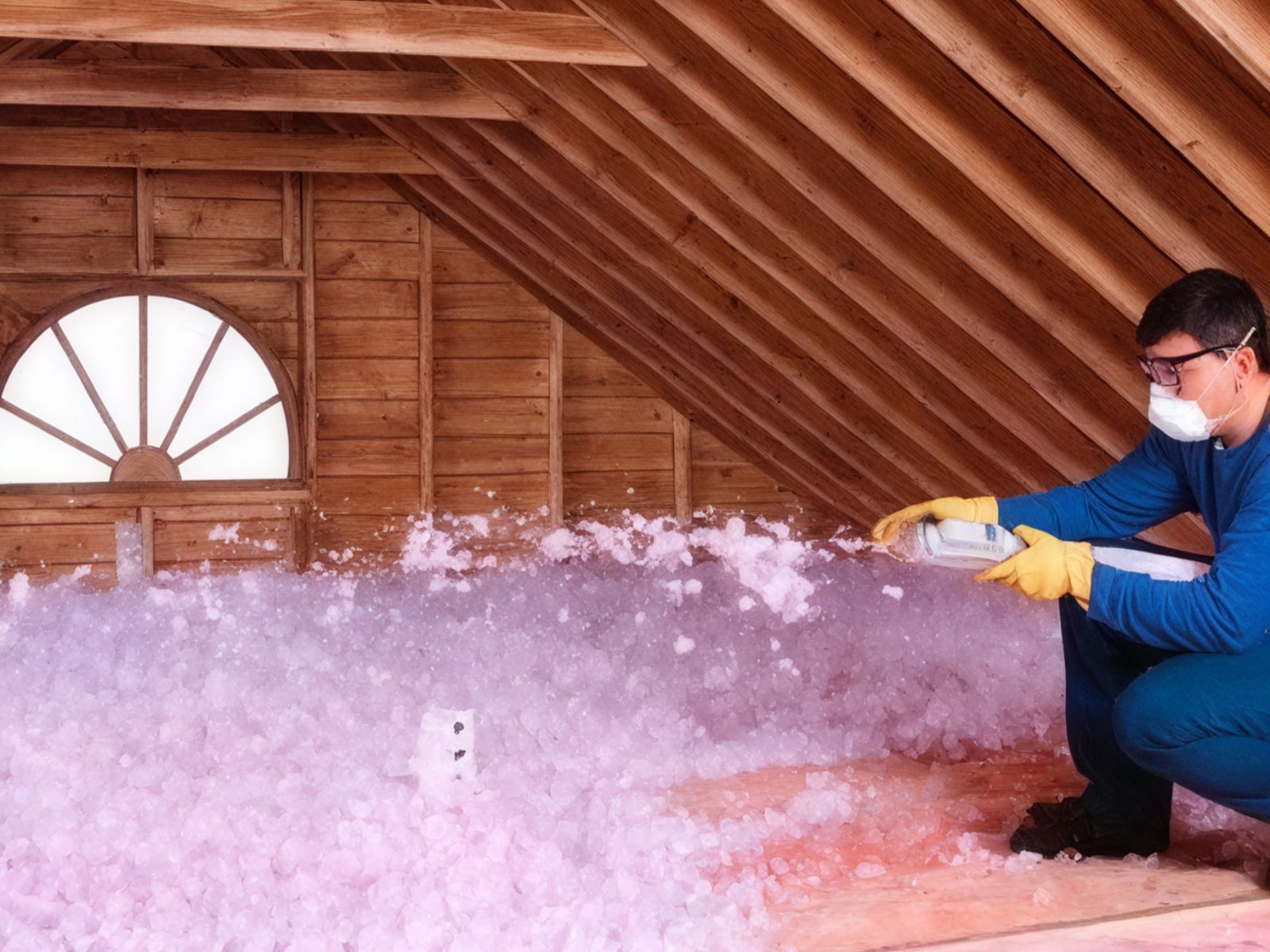
Upgrading your attic with fiberglass insulation gives superior performance and benefits to help increase your comfort while lowering your energy bills. This can work alone, but will give even greater results when used together with reflective insulation and ventilation.
It is made up of 100% renewable materials (60% sand and 40% recycled glass).
Nothing is added – no binder, glue, chemicals, or additives.
It will not itch, crush, or settle over time.
It will not settle or lose its energy-saving abilities over time.
It does not require the addition of fire-retardant chemicals which could promote corrosion of pipes or wires.
It will not rot or decay, support fungus or mold growth, or provide sustenance for insects or vermin.
Kelly Roofing is a certified Top of the House Insulation and Platinum Preferred Roofing installer with Owens Corning. We are also the 2019 Roofing Contractor of the Year. We use AttiCat® ProCat Blown-In PINK Fiberglas™ Insulation so you gain the greatest level of comfort for less.
Breathe (Ventilate)
Benefits of Ventilation
Your attic can get pretty hot with the sun beating down on your roof all day every day. This heat seeps down into your living space and is a huge source of shortening the life of your roof. This is why having ventilation on your roof is so important! Having the right amount of intake and exhaust vents keeps fresh air flowing through your attic space, reducing the high temperatures. This helps remove hot spots from living spaces, reduces energy costs, and increases the roof’s life.
Having the correct ventilation alone will go a long way to extend the life of your roof; however, also having reflective insulation and attic insulation can give you exponential results. Get started on giving your roof the ventilation it needs to serve you well by contacting Kelly Roofing today!
There are two things your building needs in order to prevent hot spots, save on energy costs, and extend the life of your roof.
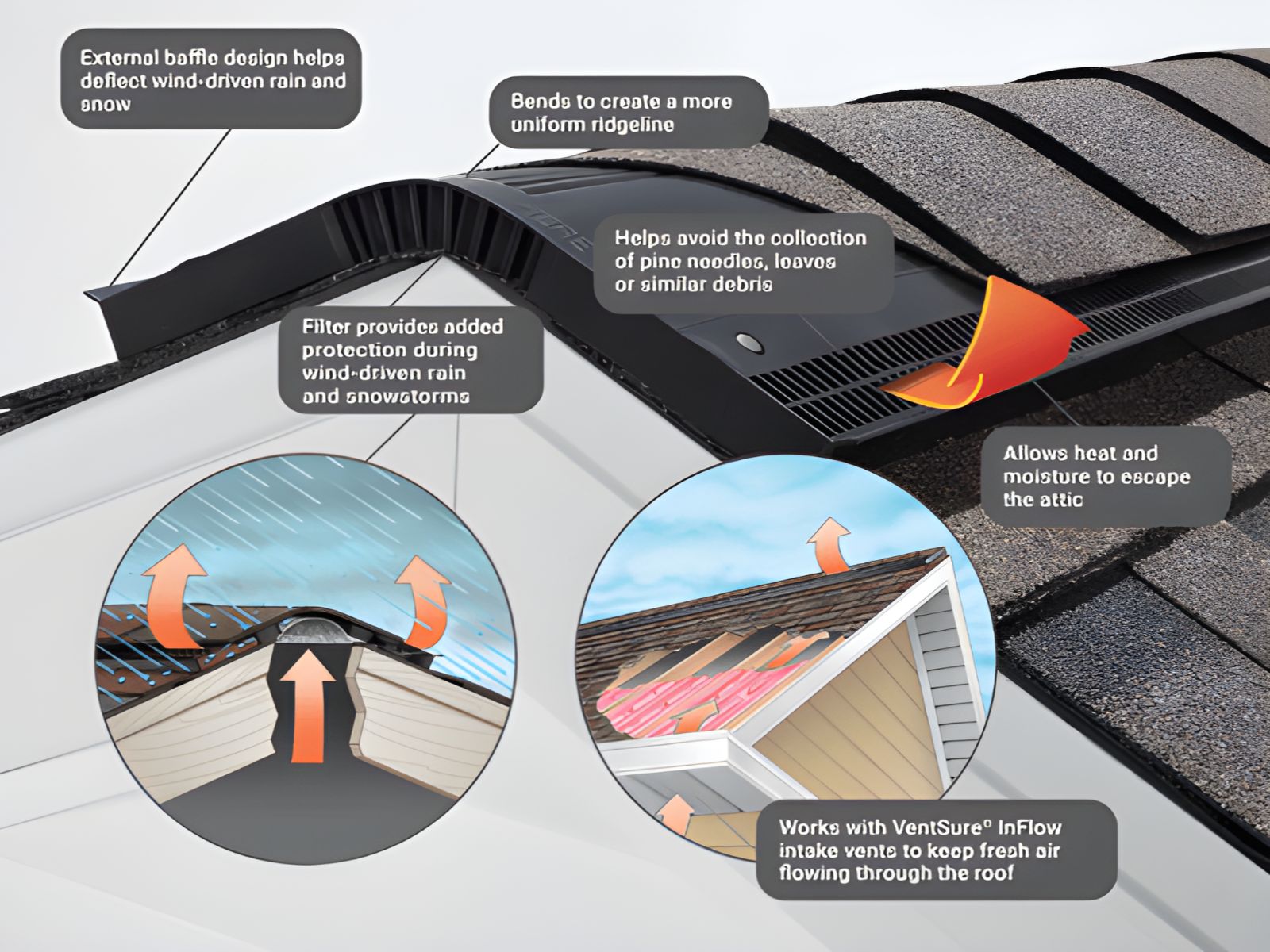
Why Do You Need Proper Ventilation?
Roofs and attic spaces have two major enemies: heat build-up and moisture accumulation. Left unchecked, these forces can cause premature deterioration of the roof structure and materials. They also damage insulation and increase energy costs. The only defense is proper attic ventilation. An effective well-balanced roof ventilation system allows air to move in a pattern which results in a uniformly cool attic space prolonging roof life and increasing living comfort.
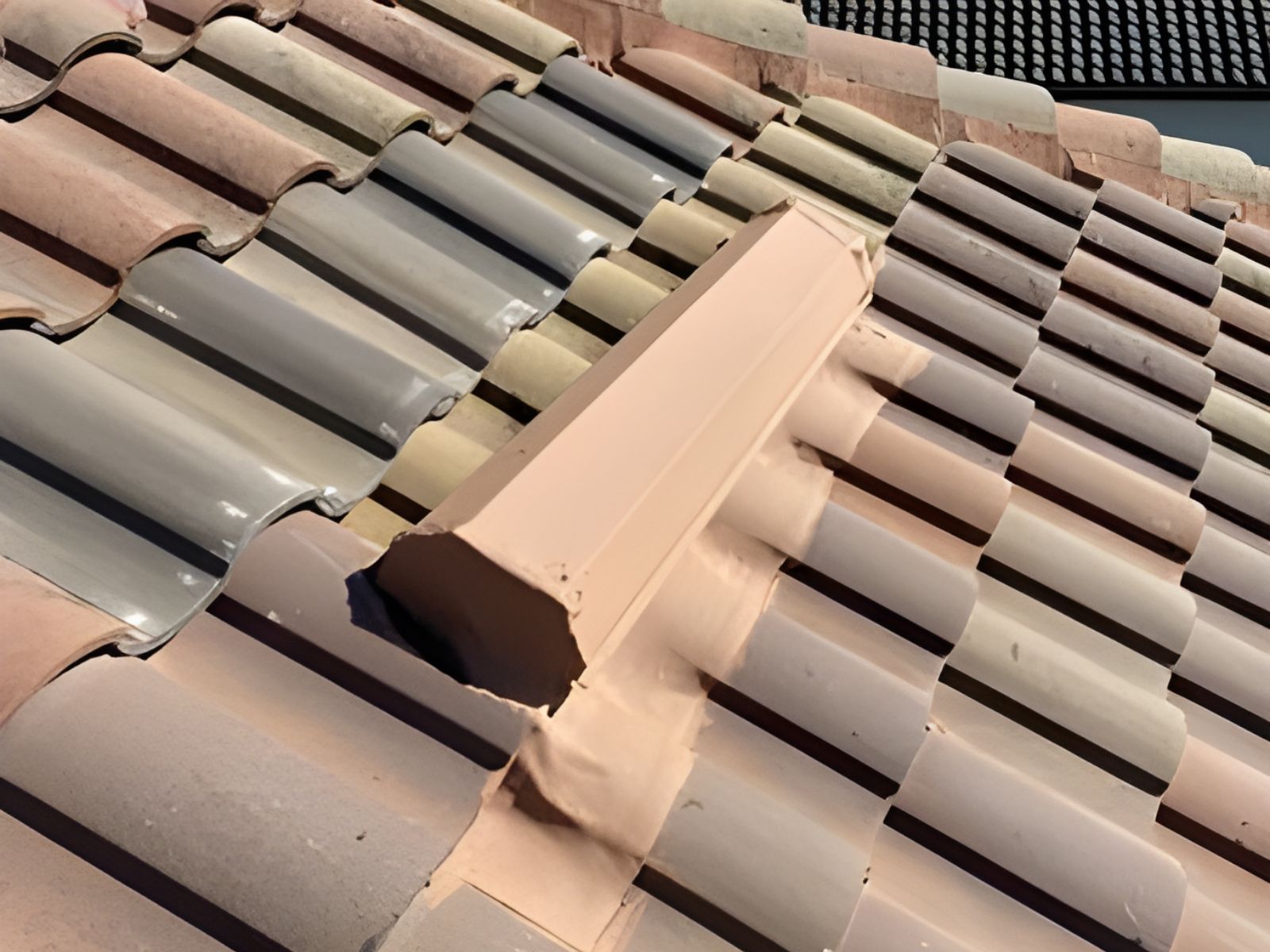
Ventilation for Tile Roofs
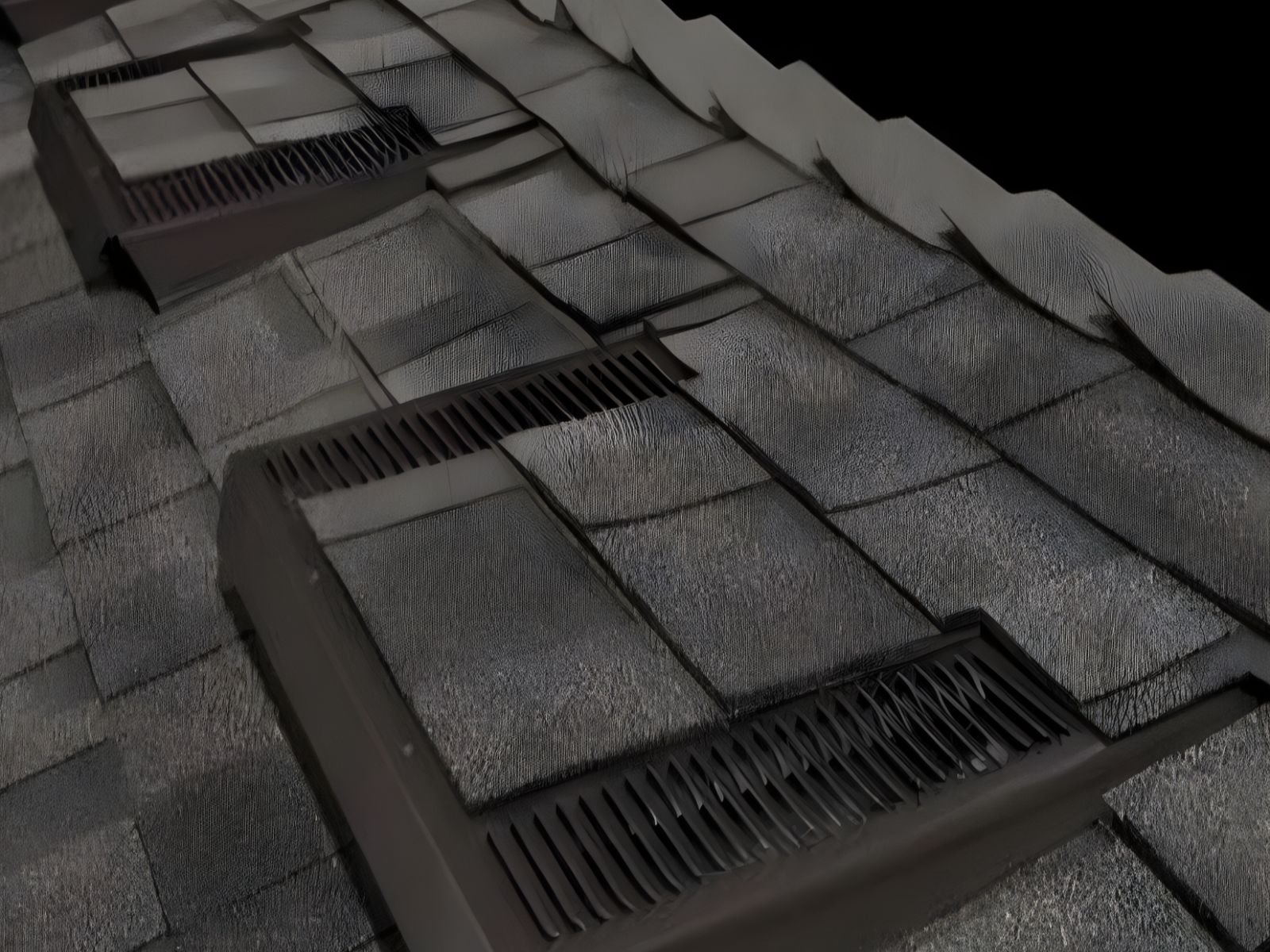
Ventilation for Shingles Roofs
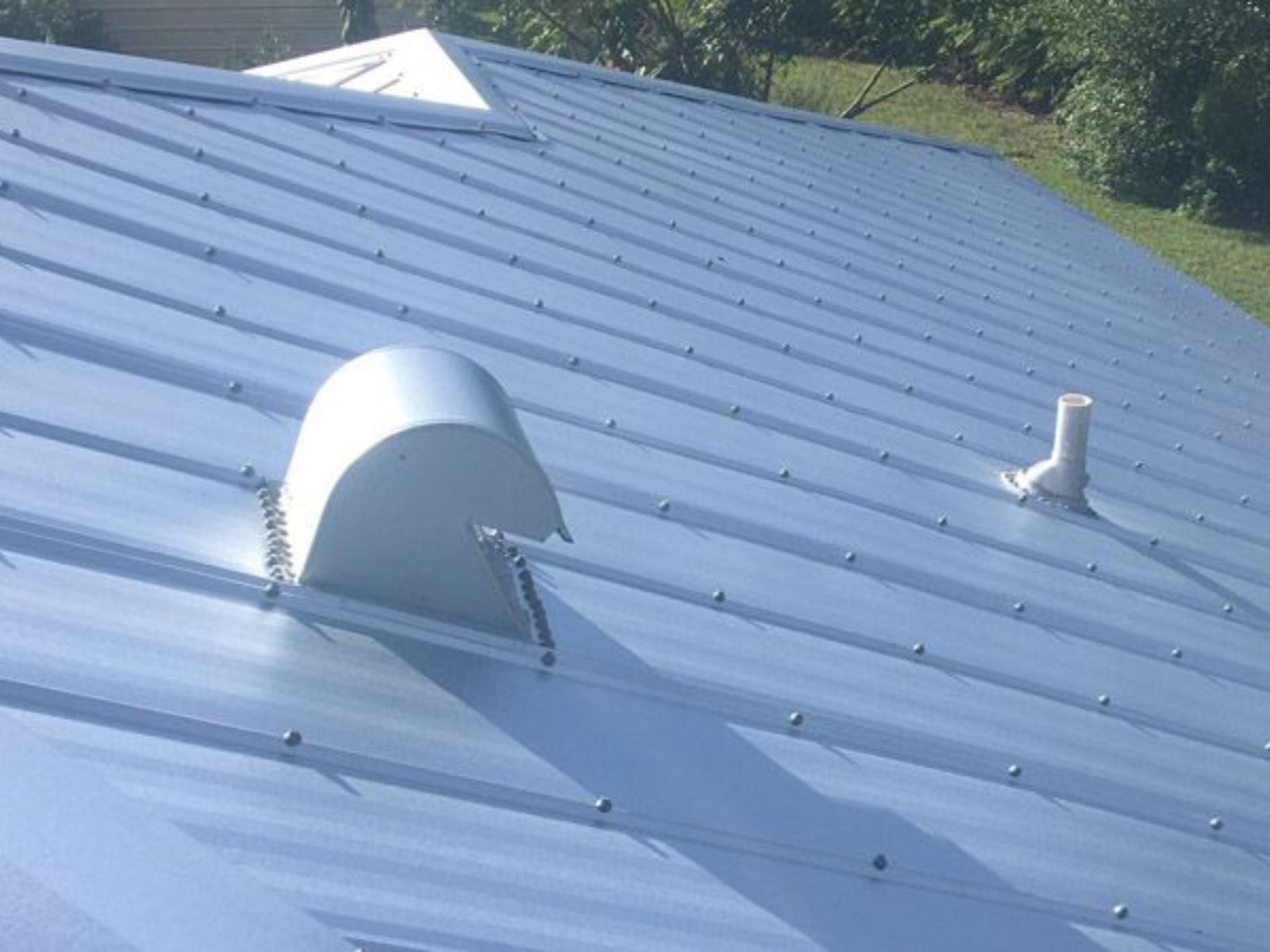
Ventilation for Metal Roofs
Insulation For You and Your Home
Fiberglass vs. Cellulose: Which is better?
Making your building more energy efficient can be achieved with the right type of insulation. The two most popular types of insulation are fiberglass and cellulose. Which type is best for your home? Watch this video to see a safety comparison between fiberglass and cellulose to help you decide which insulation you can trust.
What is R-value?
R-value refers to the thermal resistance of insulation. Heat moves in three ways: conduction (through solids such as insulation), convection (through the air), and radiation (through electromagnetic waves). The higher the R-value of your insulation, the insulating power it has. Every insulation type has a different R-value, with fiberglass having the greatest R-value. The amount of insulation you need is determined by many factors, including the climate, the type and size of your building, and your fuel use patterns. How your insulation is installed also affects the R-value, which is why it is essential to work with a professional installer.
Warning About Icynene Systems
Do NOT install Icynene insulation in your attic.
It voids Kelly Roofing workmanship warranty
Not recommended by the American Plywood Association
Currently, there are discussions of outlawing Icynene in the next revision of the Florida Building Code
Why? There have been incidents where a small roof or plumbing leak in buildings where Icynene was applied and caused severe structural damage and roof cave-ins before the building owner ever knew there was a problem.
How? Icynene, both open cell and closed cell, skims over during curing to create a waterproof layer and trap water. If a leak occurred you would not know about it until it is too late. The trapped moisture rapidly rots out wood trusses and decking. In one such case, the roof caved in and came through the ceiling right into the master bedroom. Luckily the owners were not home when it happened.
We strongly discourage Icynene installations and suggest proper ventilation to provide the greatest benefit.
Not ventilating has been shown to increase asthma and allergies.
Insulation fun facts! Did you know?
Many people don’t know they’re sending money through their roof. Overall, about 60 million homes in the U.S. are under-insulated, costing Americans $8.2 billion each year.**
Simply insulating existing homes to current standards would save 800 trillion BTUs (that’s 76 supertankers of oil) each year. A standard single-family home going from an existing R-19 to R-38 will see a minimum reduction of 20% on their cooling and heating bills. If your electric bill averages $200.00 per month, about half of that is typically for cooling and heating.
A 20% savings would equate to a $20 reduction on your bill each month.
About 78% of homeowners have not added any insulation to their attic; in part because they believe their home already has enough.**
However, 80% of homes built before 1980 are not insulated to government standards.**
Even newer homes may not be as energy-efficient as you think. State energy codes are only the minimum insulation requirements for new construction–not the amount recommended to optimize energy efficiency.
** Source: Department Of Energy’s 2010 Study On Energy Savings
Start Your Roof Repair Today!
Since 1972, Kelly Roofing has been Florida's trusted roofing professionals, protecting Florida homes through countless hurricanes, tropical storms, and the daily challenges of our intense climate. Since 1972, we've seen every type of problem and learned exactly what it takes to build roofs that last. Whether you're looking for a no-obligation estimate, new roof, repairs, solar, or roofing accessories Kelly Roofing has you covered. Call us at (239) 435-0014 or click the button below to get started.