
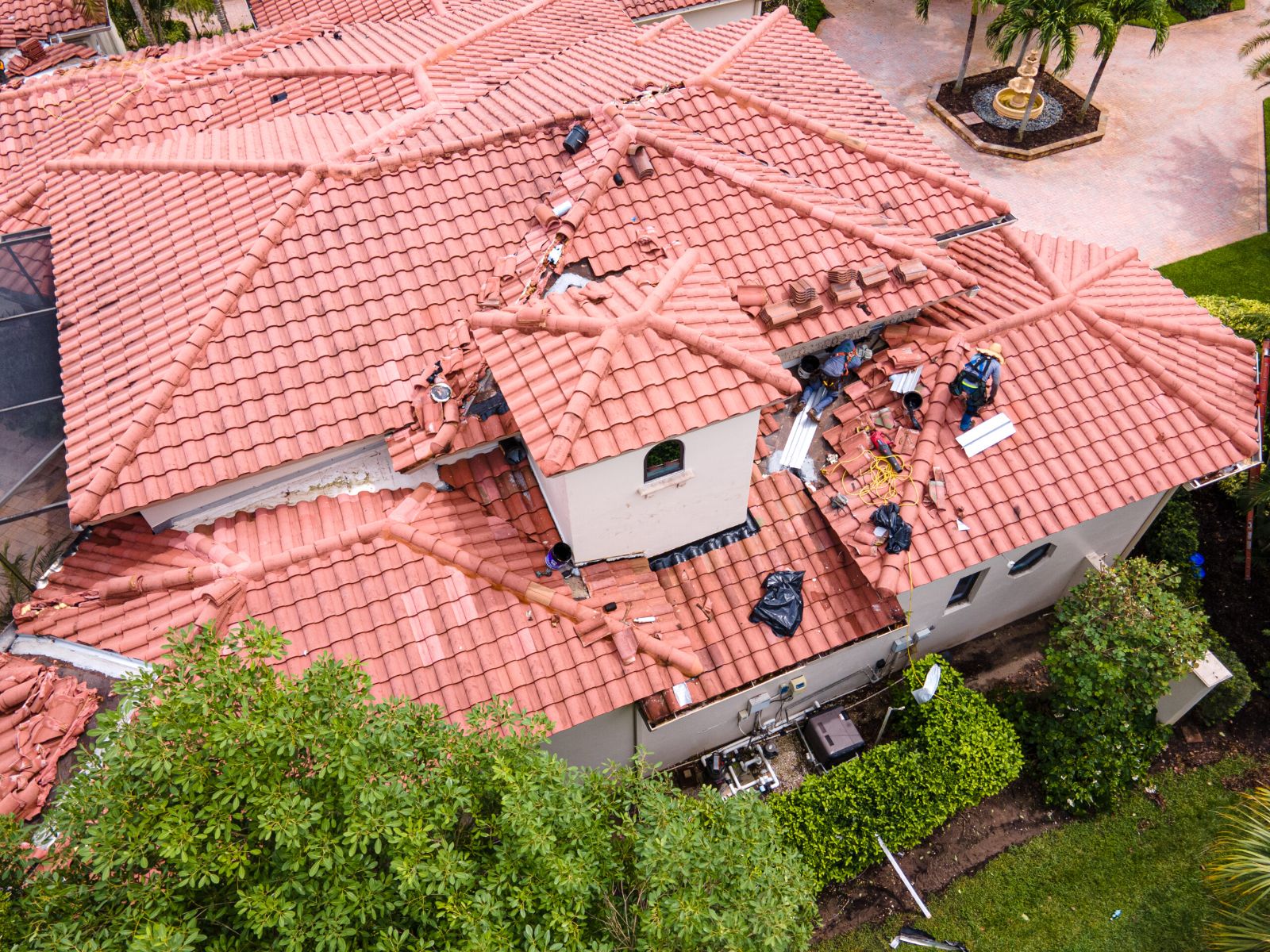
Florida’s intense sun, hurricane-force winds, and heavy rainfall can crack, shift, or damage even the most durable tile roofs. Our certified roofing specialists understand Florida’s unique climate challenges and provide fast, reliable tile roof repairs that restore your roof’s protection and curb appeal. From replacing individual broken tiles to addressing underlayment damage, we use premium materials designed to withstand Florida’s demanding weather conditions. Don’t let a simple roof repair become a major issue – get your free inspection today and protect your investment.
Signs You Need a Tile Roof Repair


Aging Roof
As tile roofs age, they become more brittle and susceptible to cracking, especially under Florida’s intense UV rays and temperature fluctuations. This deterioration reduces your roof’s ability to shed water effectively and protect against UV damage. An aging roof often shows multiple small issues that compound over time – fading colors, minor cracks that worsen, and overall brittleness that makes tiles more vulnerable to storm damage. Addressing aging tile issues proactively can extend your roof’s lifespan and prevent sudden failures during severe weather.

Cracked or Broken Tiles
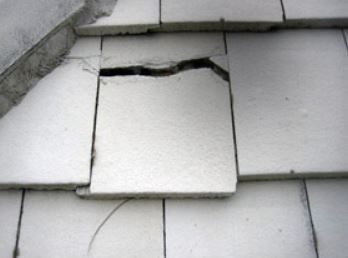
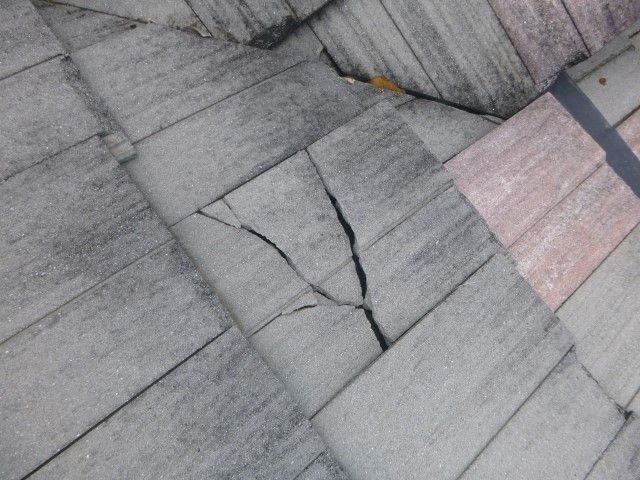
Visible cracks, chips, or completely broken tiles are the most obvious signs your roof needs attention. These damages commonly result from Florida’s frequent storms, fallen branches, or simply years of exposure to intense sun and weather. Even small hairline cracks can quickly worsen during the next heavy rain or windstorm, allowing water to seep through and damage the underlayment beneath. What starts as a single cracked tile can lead to costly interior damage if left unaddressed, making prompt repairs essential to protect your home.

Loose or Sliding Tiles
Tiles that have shifted out of place or are sliding down your roof indicate weakened attachment points or damaged underlayment. This is especially common after high winds and can create gaps that allow water infiltration.

Visible Water Damage
Water stains on your ceiling or walls is a clear sign that water is penetrating through your roof and reaching your home’s interior. This requires immediate attention to prevent mold growth and structural damage.
Tile Roof Repairs Done Right
The First Time
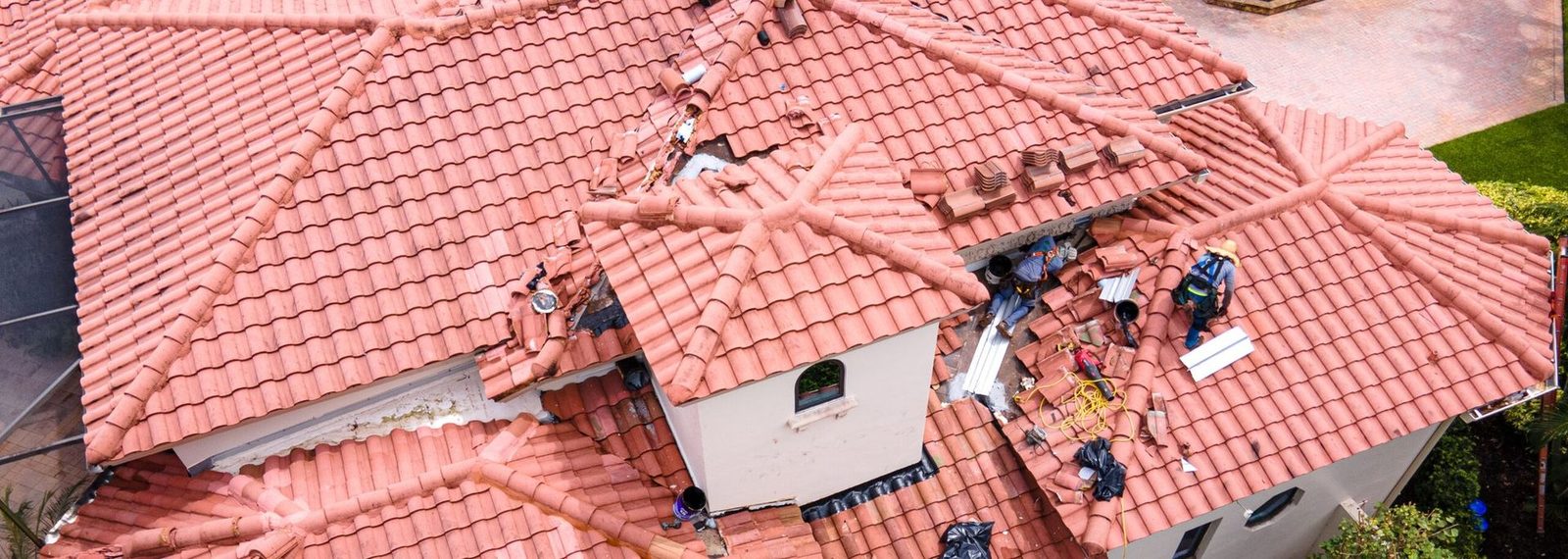
From cracked and slipped tiles to underlayment failures and storm damage, our tile roofing specialists identify the true source of the problem and restore your roof with precision. We repair clay, concrete, and specialty tile systems to preserve durability, curb appeal, and long-term protection. No patchwork fixes. No unnecessary replacements. Just expert tile roof repairs you can rely on.

What we find, and why it matters
When we open up a tile roof, the problem is often not the tile itself. Most tile roofs we open up are missing top flashing, so water runs under the tiles and wears out the underlayment. The tiles should be doing the brunt of the waterproofing. That is the work we come to do: find the real source of the leak, repair it correctly, and keep water on top of the tiles where it belongs.
Most tile roofs we open up are missing top flashing
Top flashing is the detail that keeps rain on top of the tiles where the roof meets pipes, vents, valleys, walls, and other openings. Without it, water slips under the tiles, and the underlayment has to do a job it was never meant to do every time it rains.
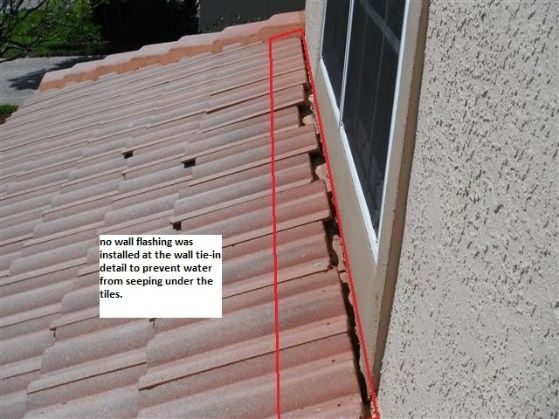
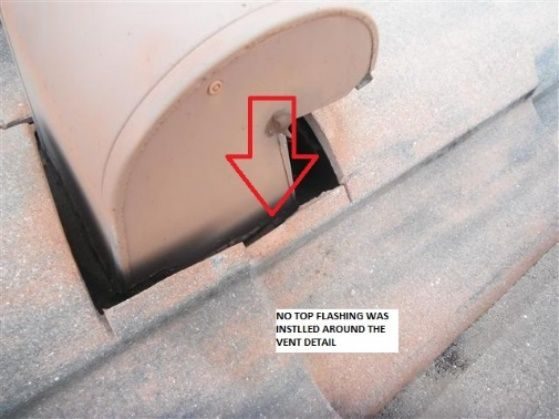
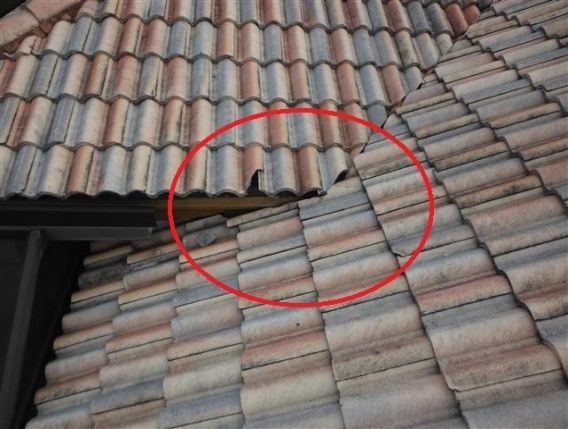
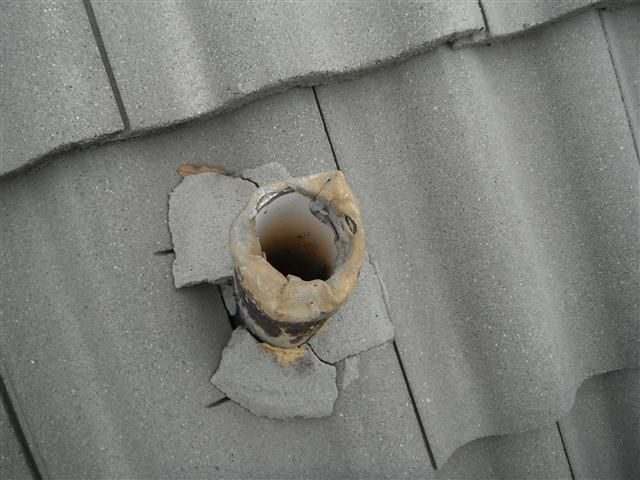
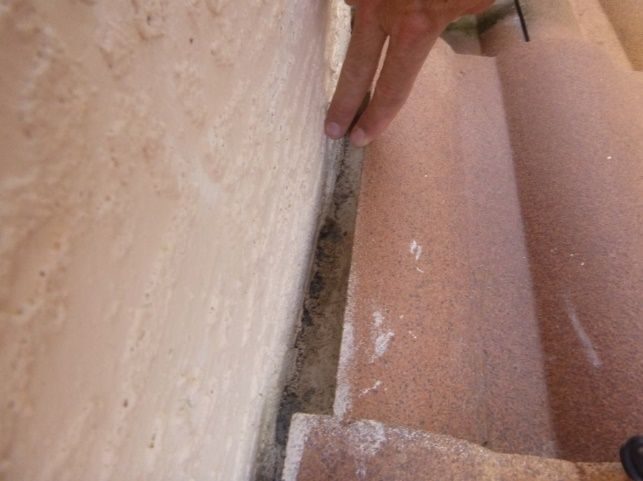
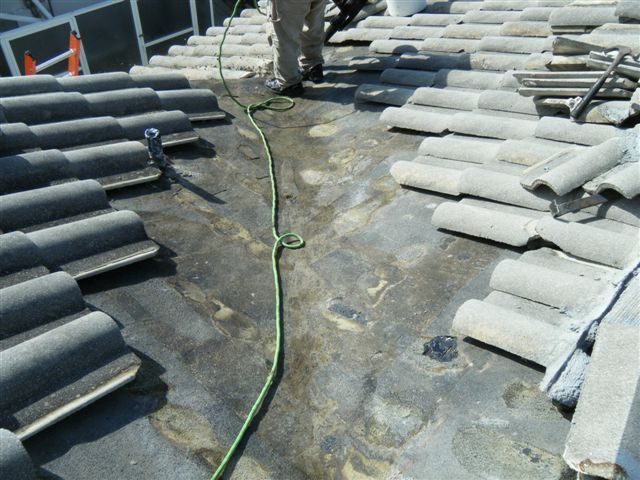
We can add top flashing to a roof that is already in place, not only to a new one. For how the detail is installed, see our Top Flashing page.
How water breaks down the underlayment
Without top flashing, water gets under the tiles and breaks down the underlayment through oil migration. As the underlayment dries and cracks, water can reach the roof deck and the rooms below. Tile roofs without this detail have a shorter life. Installing top flashing can greatly extend roof life, because the tiles — not the underlayment — do the brunt of the waterproofing.
Why this matters for the warranty, too
The tiles carry a 50-year manufacturer warranty. Even so, many tile roofs rely on the underlayment for waterproofing, when the tile should be doing the brunt of the work. That is why top flashing is so important. If water is running under the tiles day after day, a long warranty on the tile itself will not keep the roof dry.
Kelly Roofing also backs the repair work we perform with a 1–2 year workmanship warranty: 1 year on a standard repair, and 2 years when the work is done as part of our Roofiversary program.
Flashing around every opening
Every pipe, vent, valley, and wall is an opening or a place where water collects. Each one needs its own flashing, done so water stays on top of the tiles.
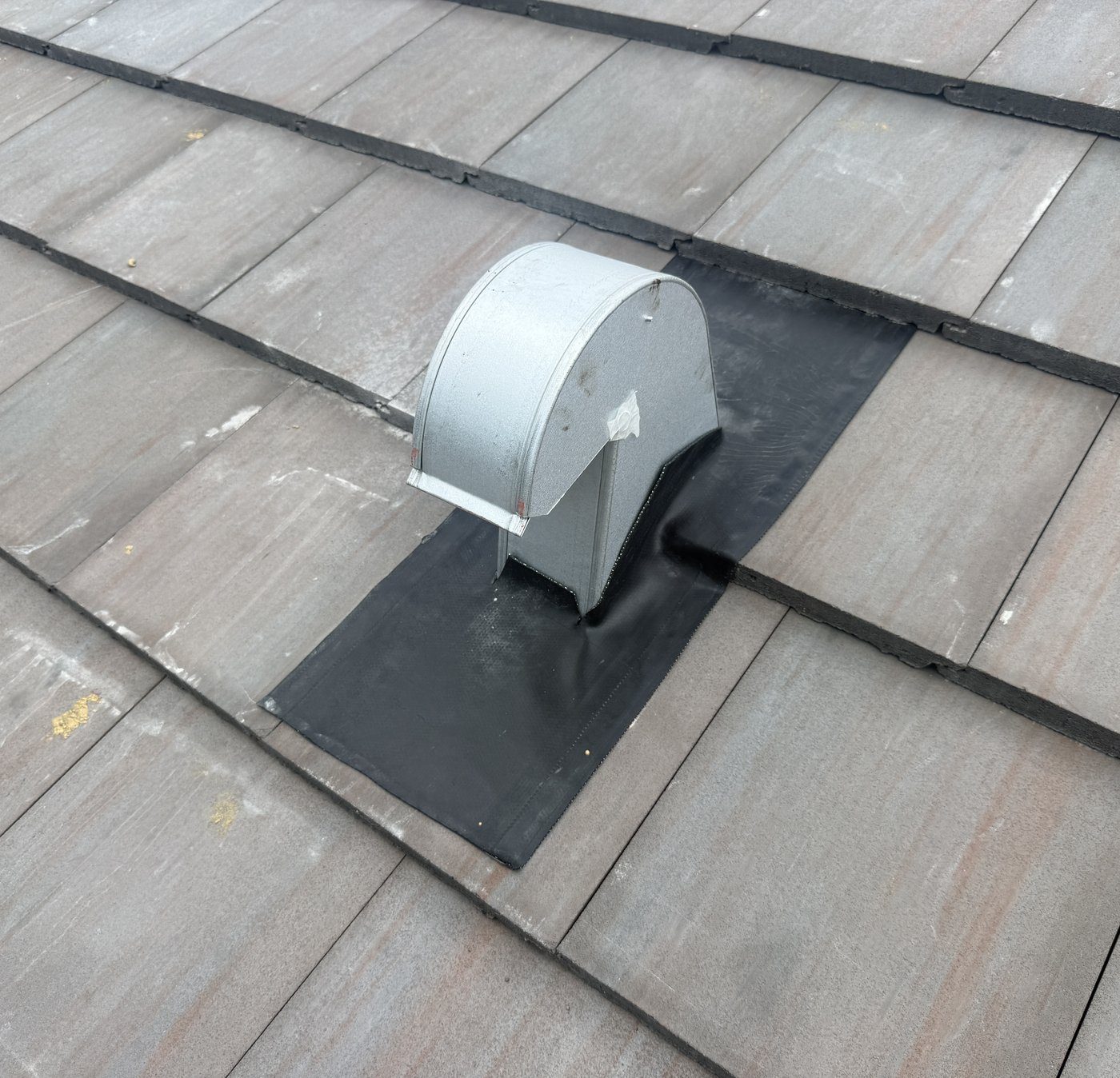
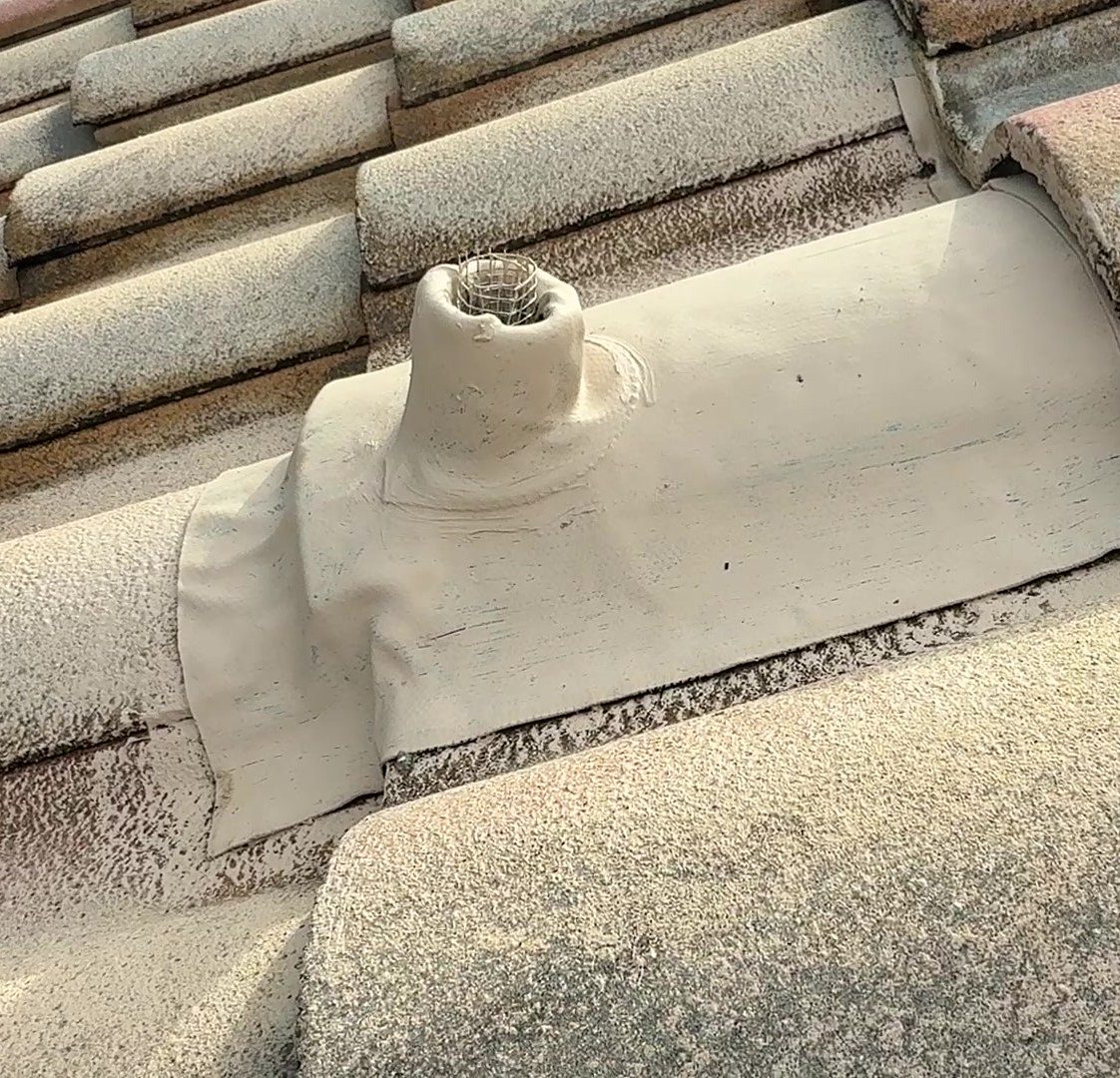
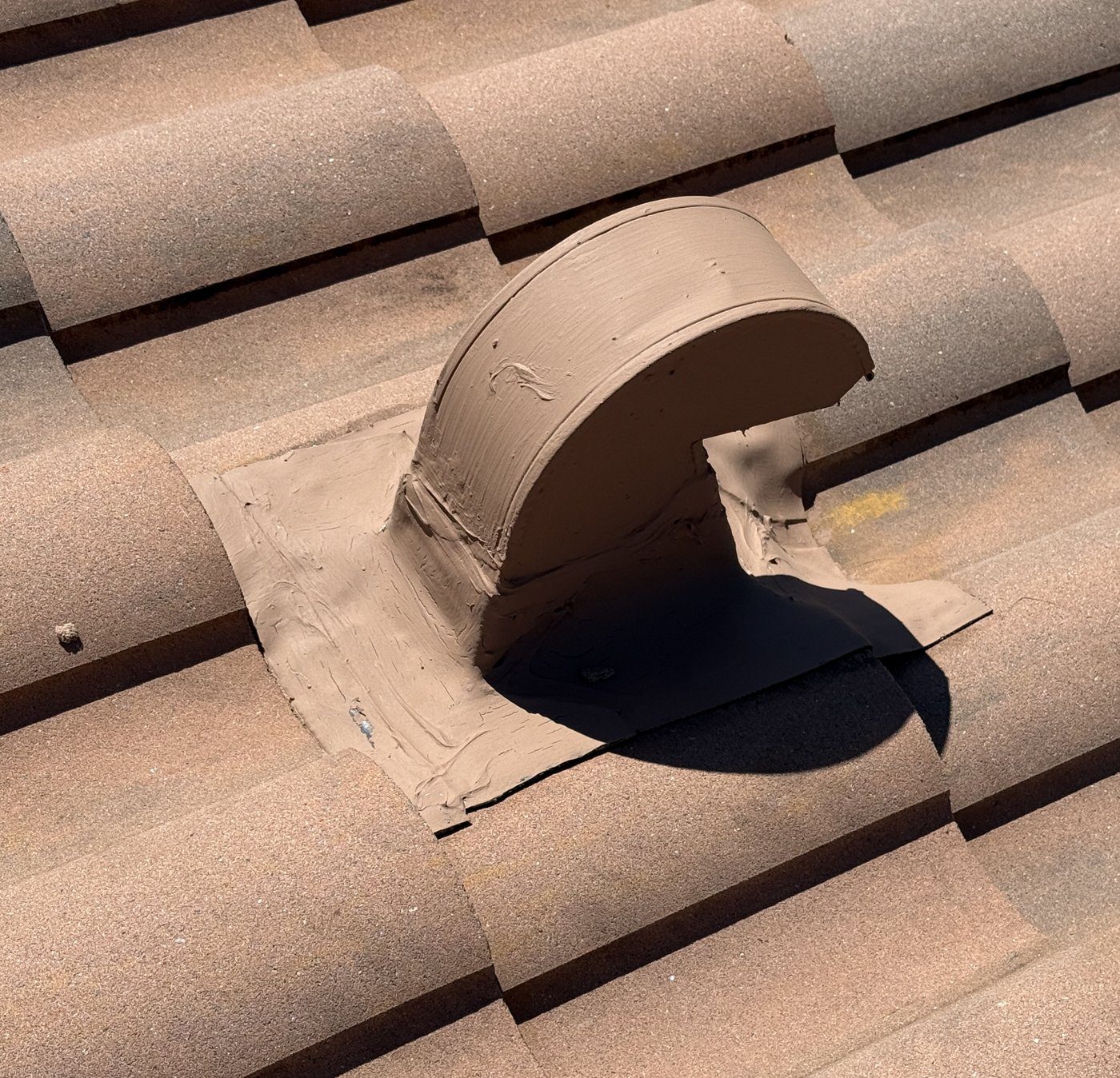
Plumbing stacks and exhaust vents
Every pipe and exhaust vent is an opening in the roof, so each one gets its own flashing — not a patch around the base.
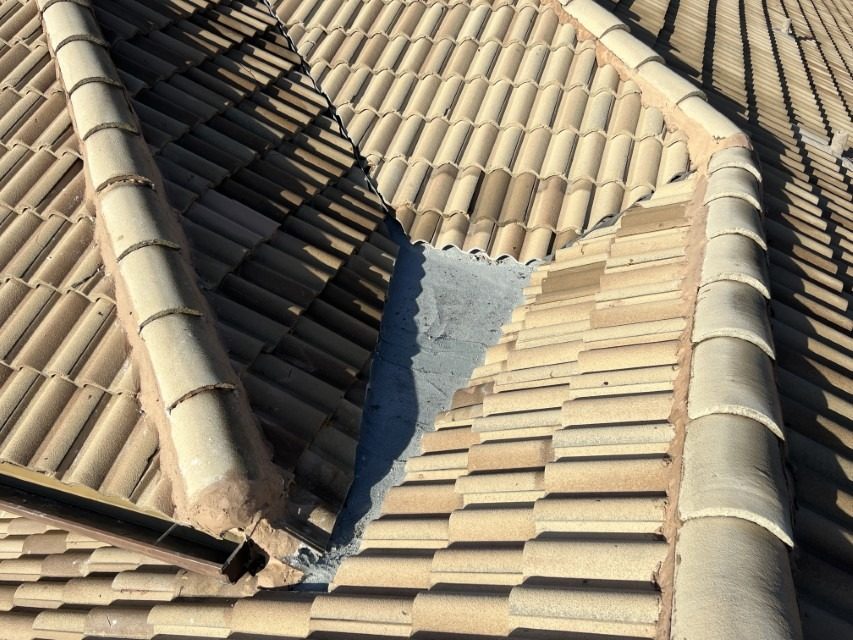
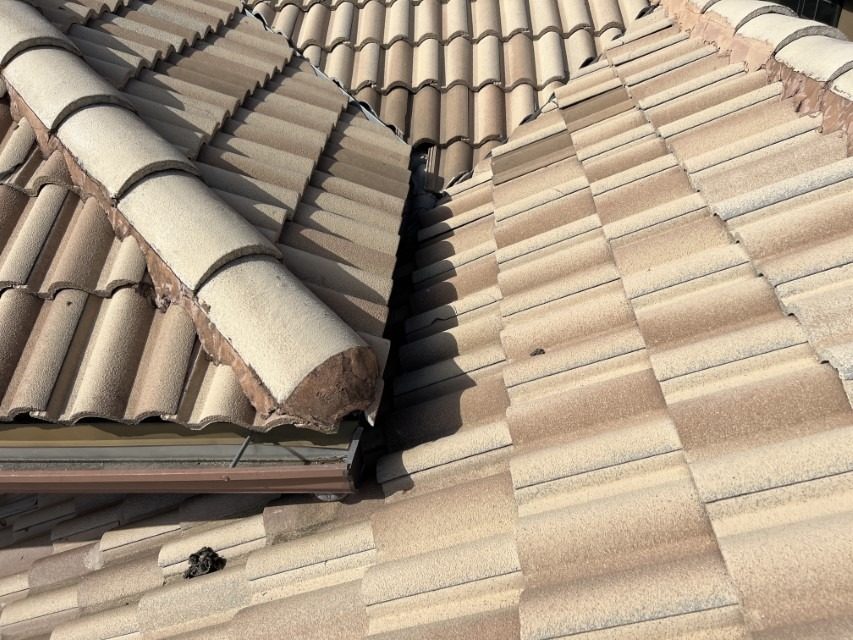
Crickets and dead valleys
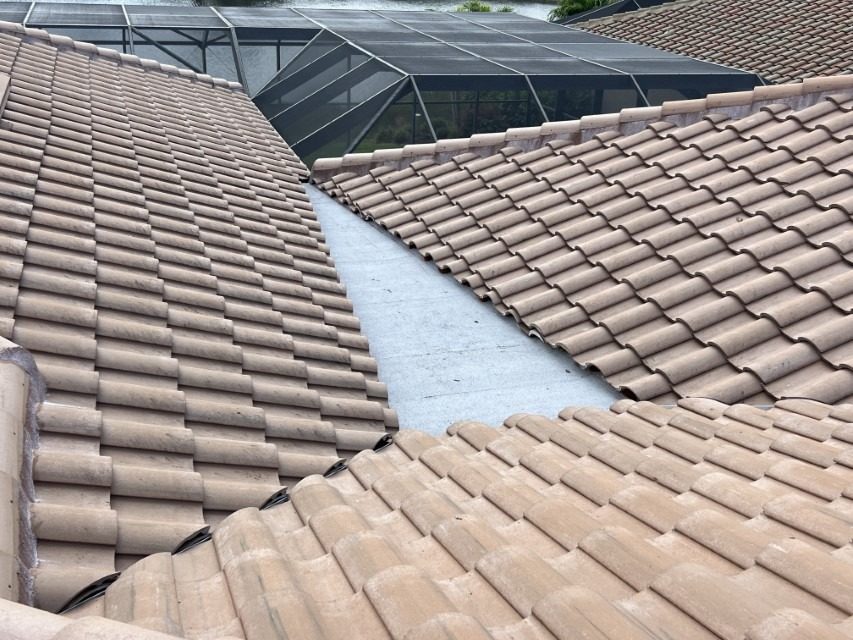
Crickets and dead valleys are a common flashing trouble spot on tile roofs. These are the places where water can sit or get forced into a tight intersection instead of shedding off the roof. We build the cricket or dead-valley detail so water has a path out, on top of the tiles.
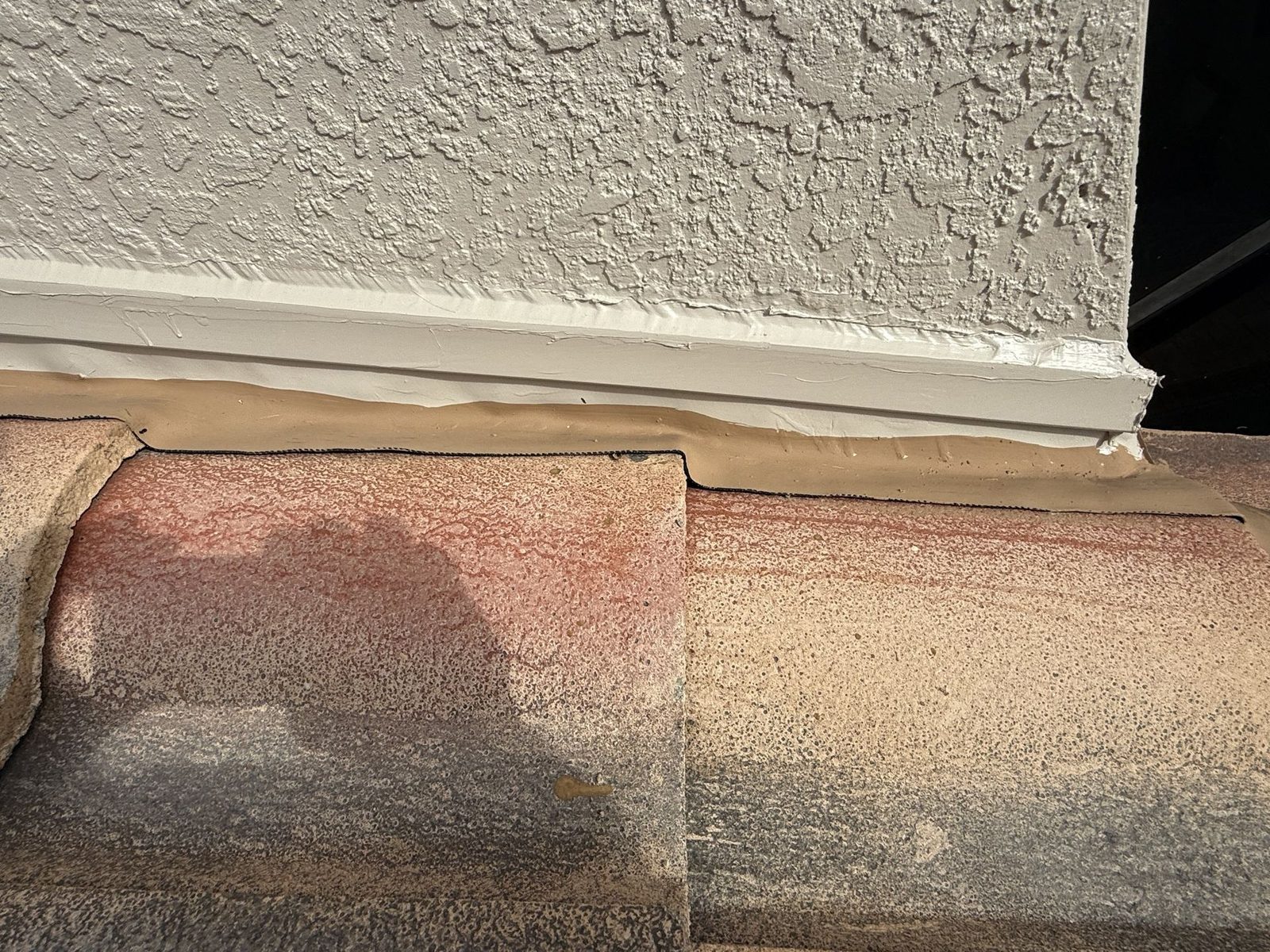
Valleys and walls
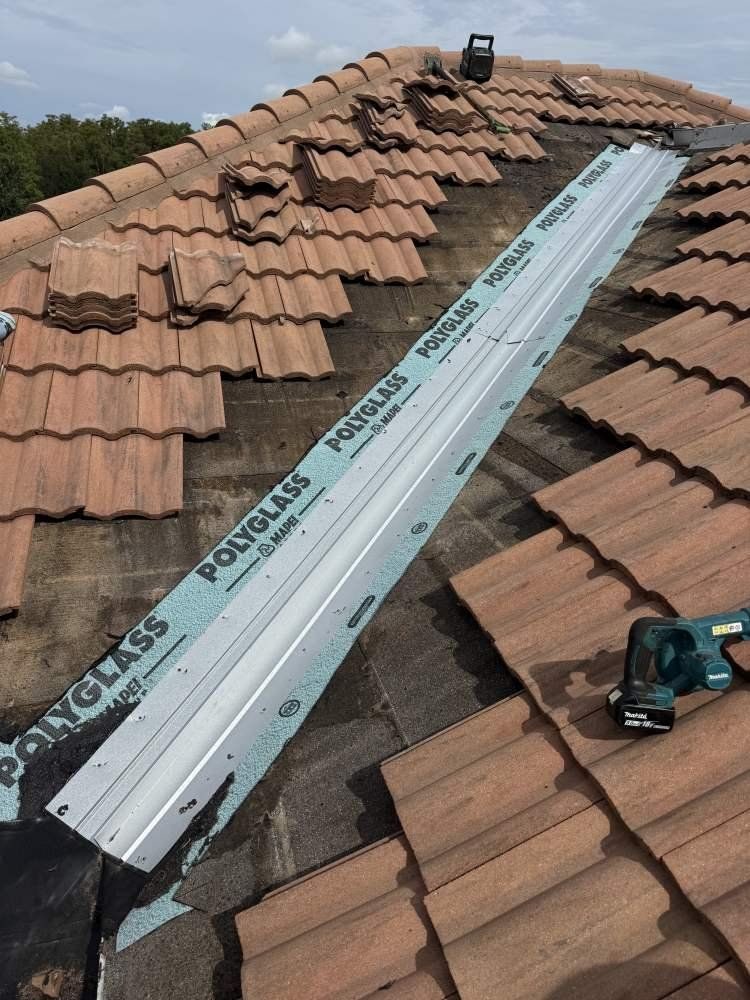
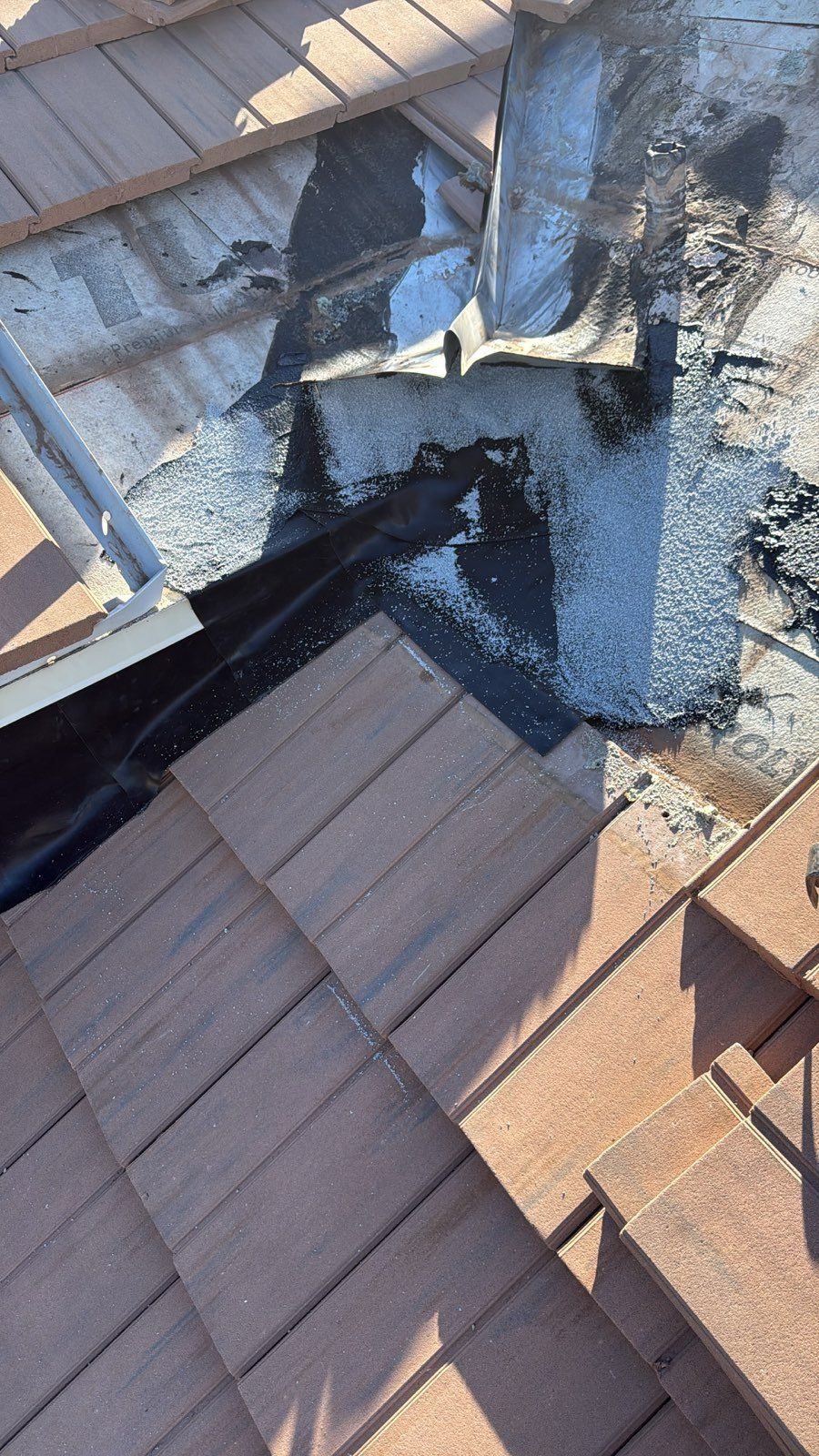
Valleys and walls are where water volume is highest, so the details there matter as much as the field of the roof. On a typical repair we address:
- Preformed valley flashing
- Valley returns
- Wall details
- Dead-valley and cricket details, where the roof needs them
Skylights
If a skylight is leaking, or you want to add a skylight or sun tunnel, the flashing around that opening has to be done as carefully as the rest of the roof. We can reflash the skylight you have or install a new one. See our Skylights page for the options we offer.
Ridge and hip caps
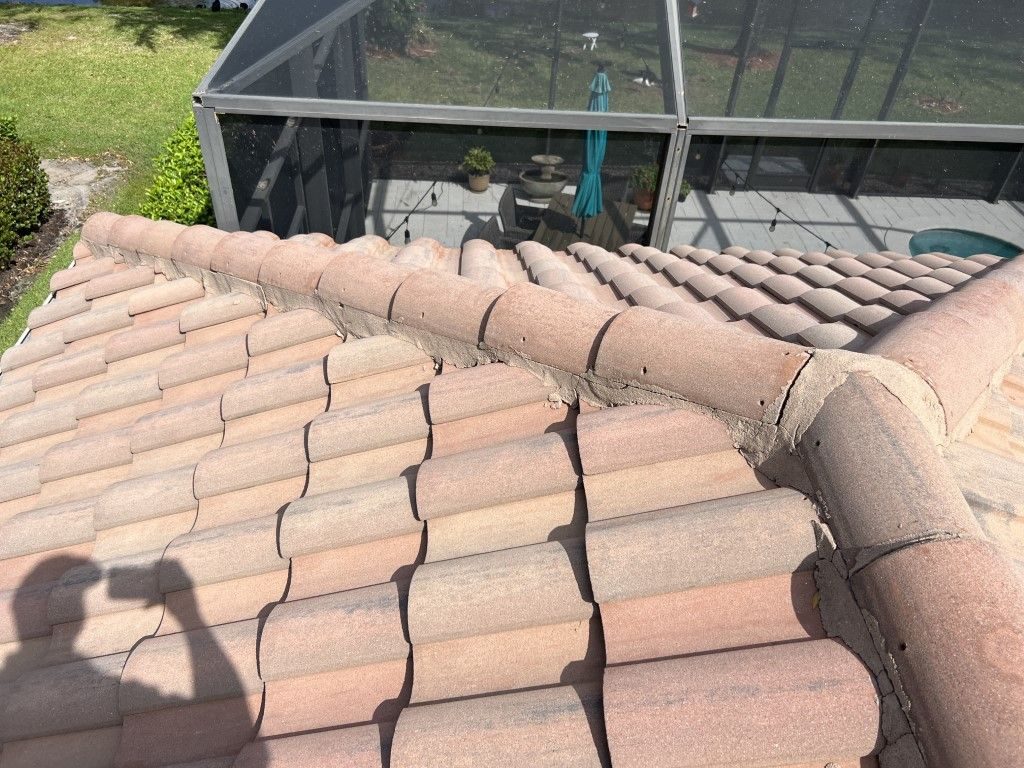
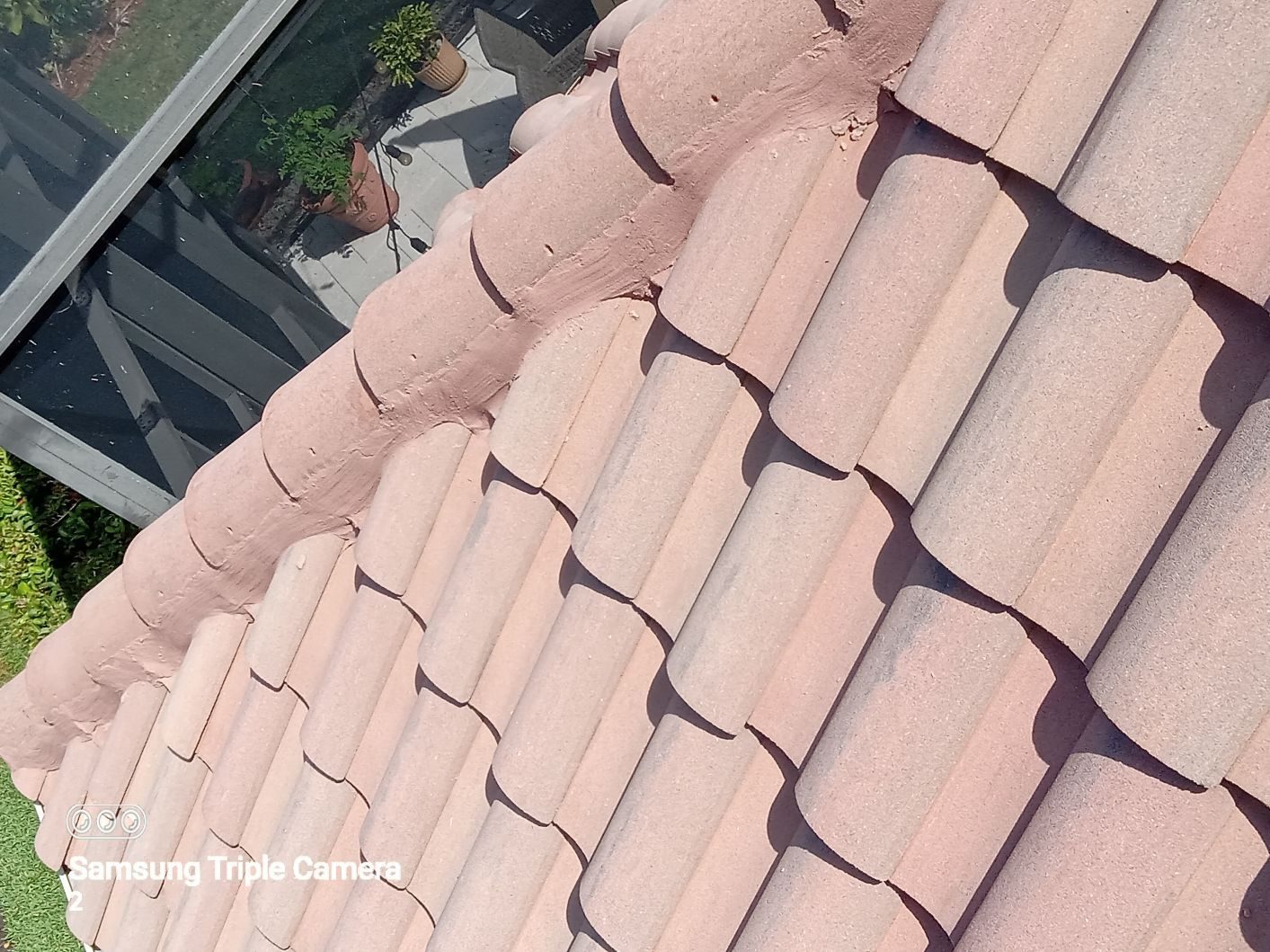
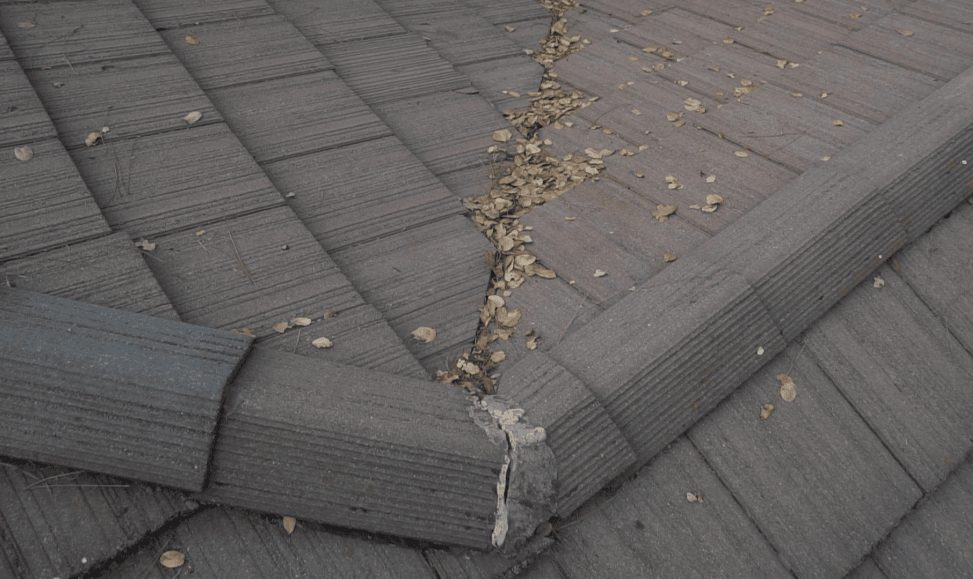
Cracked mortar and loose cap tiles along the ridges and hips are a frequent repair. We re-cement the caps so they sit secure again, which protects the ridge line and keeps wind from lifting tiles.
Flexible pointing mortar on ridges and hips
On tile roofs in Naples and across Lee and Collier counties, the pointing along the ridges and hips takes a beating from heat, wind, and the normal movement of the roof. Traditional cement pointing often cracks and fades as the roof moves, which can loosen cap tiles. When Kelly Roofing crews re-point those lines, they use MaxiPoint, a ready-to-use flexible acrylic pointing mortar made for ridge caps and hip tiles.
MaxiPoint is designed as a durable alternative to traditional cement mortar. It stays flexible so it can accommodate normal roof movement, and it is UV- and weather-resistant, moisture-resistant, and color-stable, with the look of conventional mortar. We use it on concrete and clay (terracotta) tile roofs, on homes and commercial buildings. It comes pre-colored, so the finished pointing can be chosen to suit the roof. If an inspection finds cracked or loose pointing, we can re-point those caps with MaxiPoint as part of the repair.
Attic ventilation and insulation
A hot attic that cannot breathe is hard on the roof, the air conditioner, and the rooms below. Cheap or poorly detailed vents can also let wind-driven rain into the attic. On a tile roof we look at three things that work together:
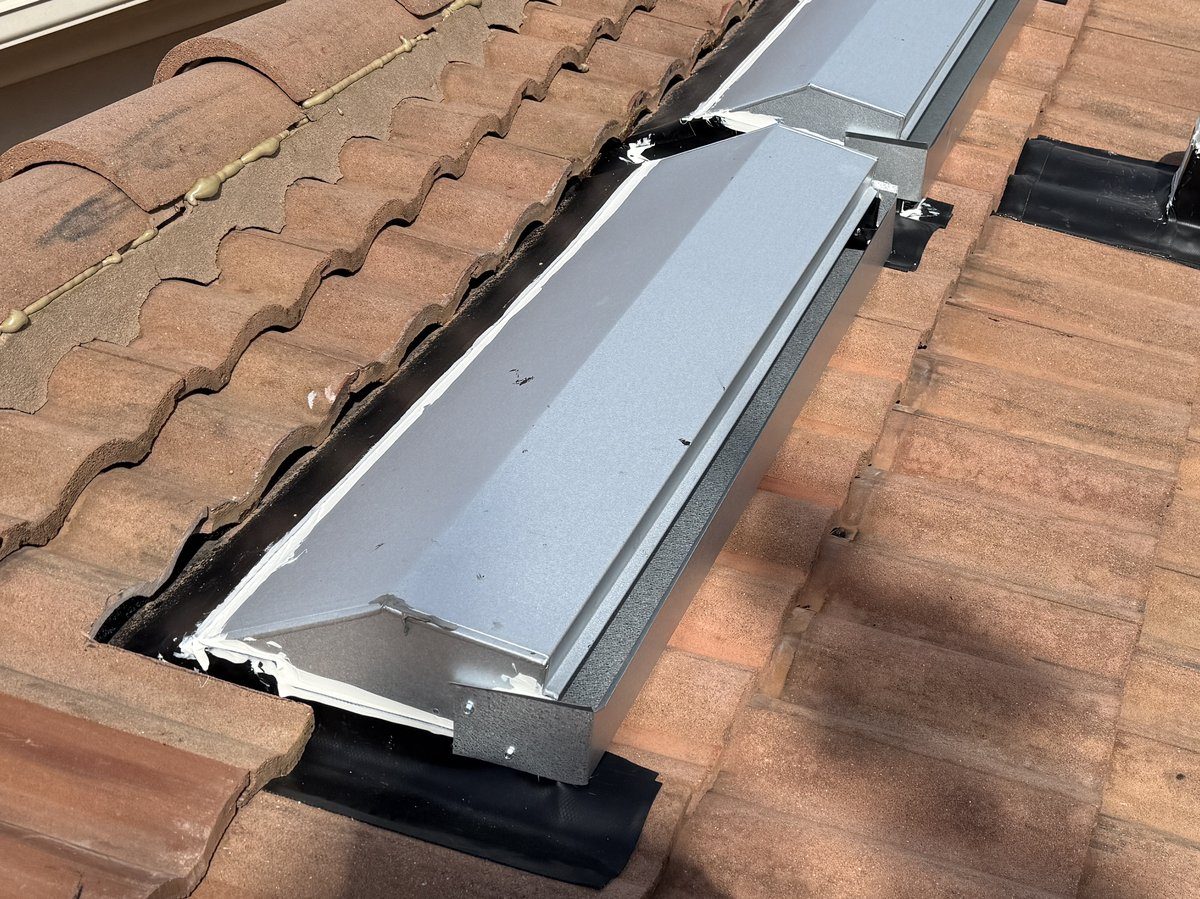
Tile-profile attic vents
Triple-baffle vents that match the tile profile and color keep wind-driven rain out and give the roof enough ventilation to breathe. Proper ventilation also helps protect the roof warranty.
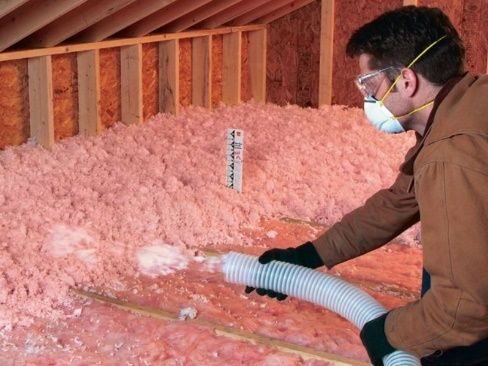
Attic insulation
Added attic insulation helps the house stay comfortable and can reduce energy use.
Exhaust roof vents
Exhaust vents move hot air up and out of the attic. Off-ridge vents still need a proper baffle so wind-driven rain is not blown into the opening.
For the baffle we use to keep wind-driven rain out of vents, see our Vent Baffle page. For a fuller look at attic airflow and insulation, see Insulation & Ventilation.
See What Your Roof Needs
Kelly Roofing has been Florida's trusted roofing professionals, protecting Florida homes through countless hurricanes, tropical storms, and the daily challenges of our intense climate.
Previous Tile Roof Repairs


How to care for a tile roof
A few regular habits keep a tile roof in good shape between repairs:
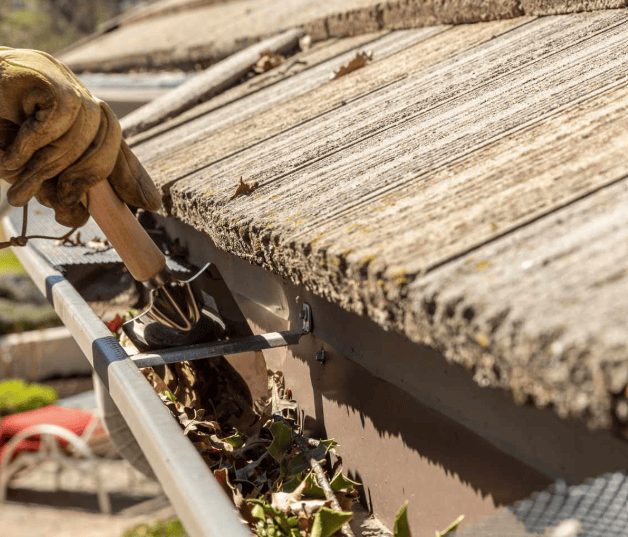
- Clear leaves and debris off the roof and out of the gutters.
- Replace cracked or broken tiles instead of leaving the gaps open.
- Walk with care. Step only where the tiles are supported.
Clean it the right way
The tile manufacturer’s recommended method is simple, and it protects the surface of the tile:
- Set the pressure cleaner to about 1,200 psi.
- Keep the nozzle 1 to 2 feet from the tile.
- That combination of low pressure and distance protects the tile’s surface.
Source: NewPoint Concrete Roof Tile cleaning instructions, as shown in the estimate deck.
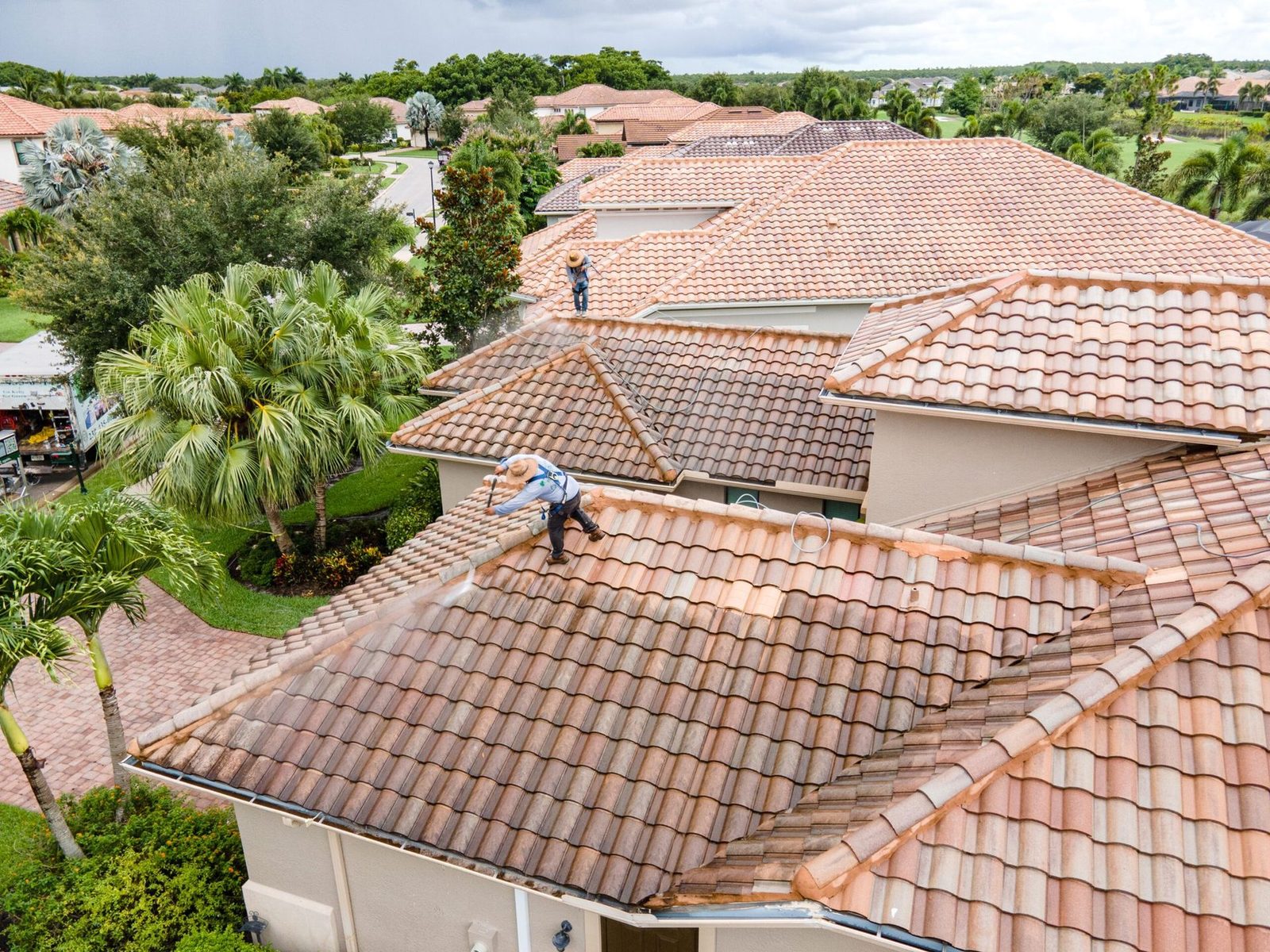
What power washing and harsh chemicals can do
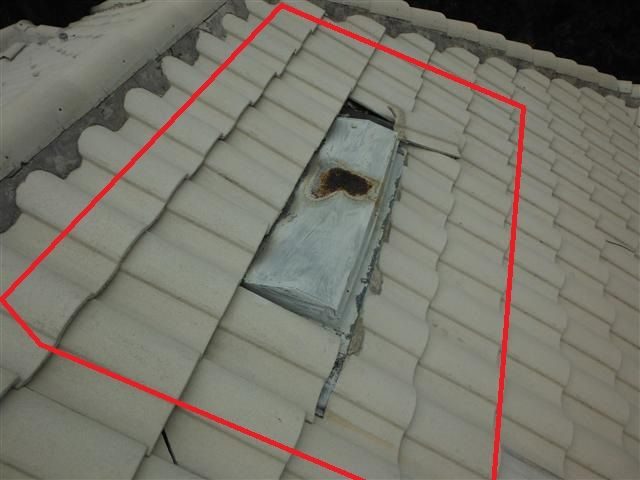
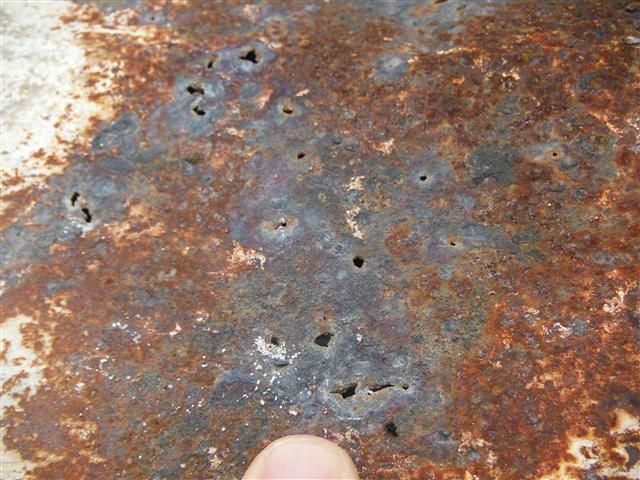
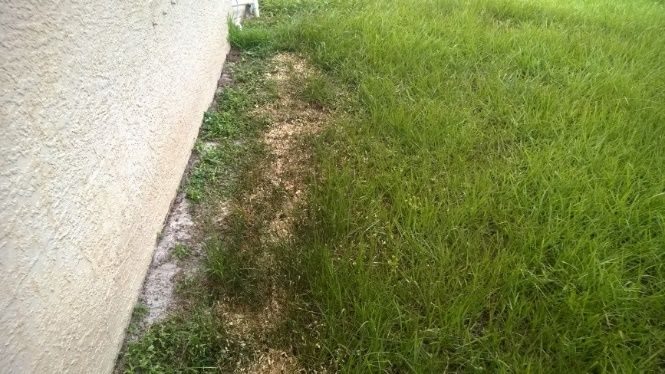
High-pressure power washing and harsh chemicals can do the opposite of a careful cleaning. We see the damage: etched or broken tiles, damaged flashing, and burned or stained lawns where the runoff landed. If a cleaning company wants to blast the roof at several thousand psi, that is not the manufacturer’s method, and it can shorten the life of the roof.
Break the algae cycle with Roof Rain
Tile roofs in this climate often go clean, then dirty, then stained with algae, and then back to a cleaning. Roof Rain is an algae-prevention treatment, used with a 2-year treatment program, that is meant to break that cycle.
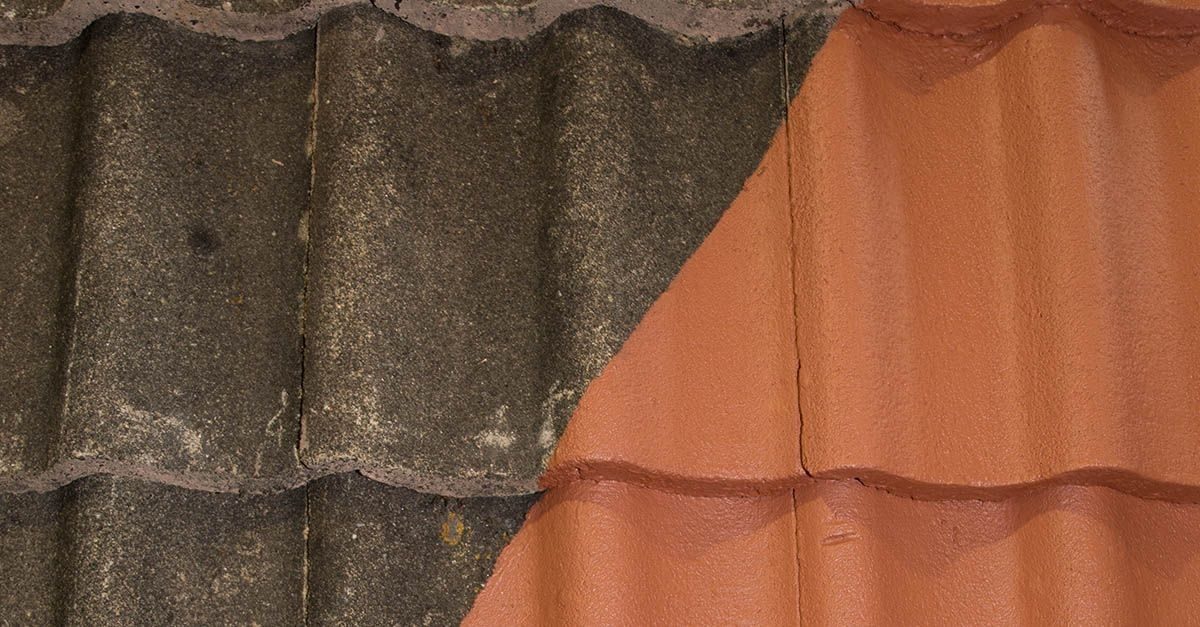
Read more about the cleaning process and Roof Rain on our Roof Cleaning page. For a free every-other-year inspection, and to keep the roof on a regular care schedule, see Roofiversary.
Why the company you choose matters
A tile repair is only as good as the company that will still be here to stand behind it. Two figures are worth knowing before you choose a roofer on price alone.
The Better Business Bureau has stated: “4 of 5 of all complaints to the BBB chose the lowest bid and had major issues getting the job finished.”
96% of roofing companies fail within 2 years (Source: SBA).
Kelly Roofing has been a family company in Naples since 1972. We are a Florida certified roofing contractor, license CCC1325948, and we work in Lee and Collier counties only. A warranty is only as good as the company that stands behind it.
A company you can trust with a tile roof
Kelly Roofing is a member of the Tile Roofing Industry Alliance, the organization that sets the standards for the tile industry. We hold our work to those standards, not only to the minimum the building code requires.
We are licensed and insured, with classroom and on-the-job training for our crews. You can look up our Florida certified roofing contractor license, CCC1325948, at MyFloridaLicense.com.
In our customers’ words
“Danielle at Kelly Roofing is exceptional in customer care! She went above and beyond helping me with an important roof mishap.”
— Susanna, Google review
“Very thorough from the start in explaining and going over what needed to be done and very good communication throughout the whole process. The In Progress and Final Photos were great which many companies do not provide. They were very helpful in getting me scheduled as soon as possible. Everyone was very friendly and always willing to answer any questions I had.”
— Teresa G., Angi verified review, May 2026
“I just scheduled my anniversary roof inspection with Kelly Roofing. They replaced our roof 4 years ago.”
— Chris B., Google review
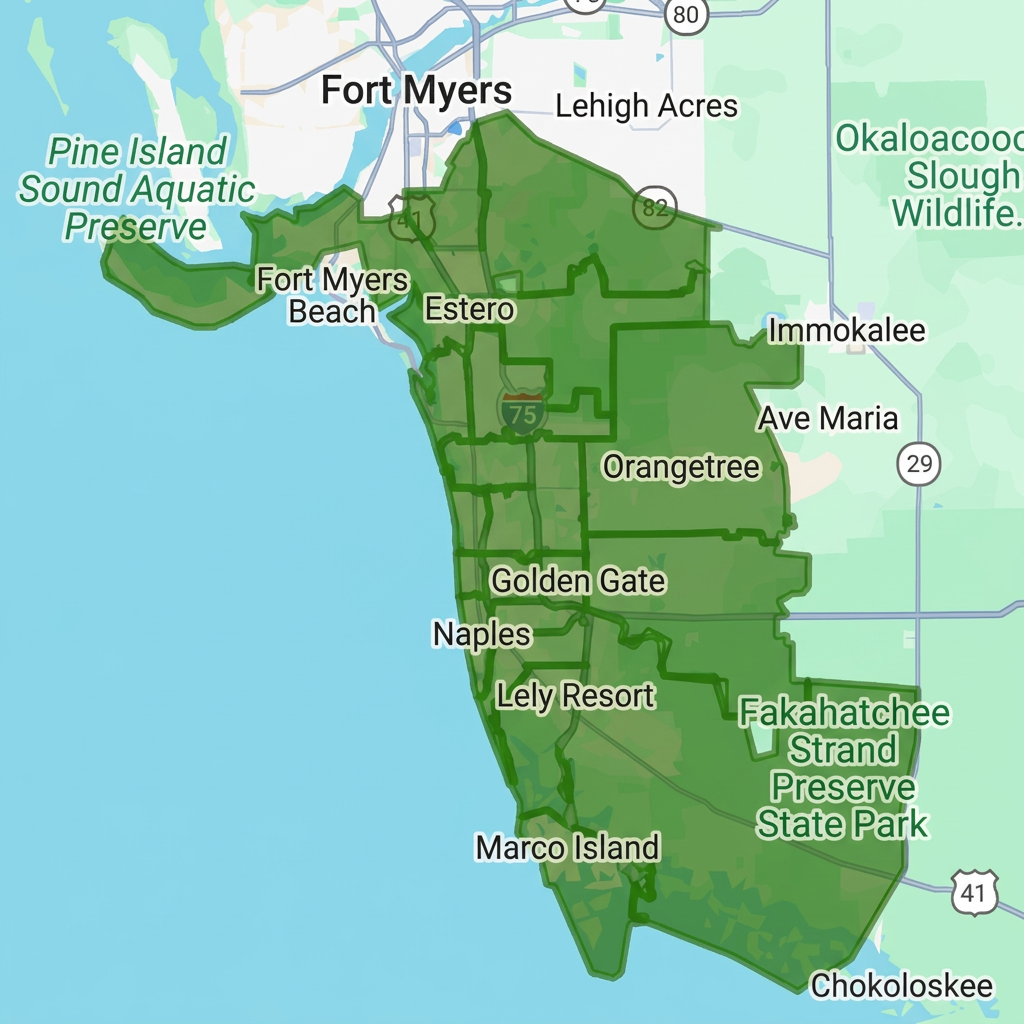
Helping Homeowners in Collier and Lee Counties
Kelly Roofing brings reliable service directly to your neighborhood. Serving Collier and Lee Counties

Tile Roof Repair FAQs
What is top flashing, and why does it matter on a repair?
Top flashing keeps rain on top of the tiles around pipes, vents, valleys, walls, and other openings. Most tile roofs we open up are missing it. Without it, water runs under the tiles and breaks down the underlayment through oil migration. The tiles carry a 50-year manufacturer warranty, but the tiles — not the underlayment — should be doing the brunt of the waterproofing. We can add top flashing as part of a repair. See our Top Flashing page for the installation details.
What warranty comes with a Kelly Roofing tile repair?
We back the work we perform with a 1–2 year workmanship warranty: 1 year on a standard repair, and 2 years when the work is done as part of Roofiversary. The tiles themselves carry a 50-year manufacturer warranty. Manufacturer coverage on the tiles is not a substitute for correct flashing, and it should not be confused with Kelly’s workmanship warranty on the repair.
What is the right way to clean a tile roof?
Follow the manufacturer’s method: about 1,200 psi, with the nozzle 1 to 2 feet from the tile. High-pressure power washing and harsh chemicals can damage tiles, flashing, and landscaping. After a proper cleaning, Roof Rain is an algae-prevention treatment used with a 2-year treatment program. See our Roof Cleaning page.
Do you repair tile roofs you did not install?
Yes. We inspect and repair tile roofs no matter who installed them. Roofiversary is also open to roofs Kelly Roofing did not install, subject to the program terms.
What areas do you serve?
Lee and Collier counties only, including Bonita Springs, Fort Myers, Estero, Naples, Cape Coral, Marco Island, Ave Maria, and more, as listed on this page. We do not work outside those two counties, and we do not do new construction.
What is MaxiPoint, and why do you use it on tile repairs?
MaxiPoint is a ready-to-use flexible acrylic pointing mortar. Kelly Roofing crews use it when we re-point ridge and hip caps on tile roofs. Traditional cement pointing can crack and fade as the roof moves. MaxiPoint is designed to stay flexible, accommodate normal roof movement, and resist UV, weather, and fading, while still looking like conventional mortar.
Will the new pointing match my tile roof?
MaxiPoint comes pre-colored. A range of standard colors, and custom colors, are available so the pointing can be chosen to suit the roof.
Start Your Tile Roof Repair Today!
Since 1972, Kelly Roofing has been Florida's trusted roofing professionals, protecting Florida homes through countless hurricanes, tropical storms, and the daily challenges of our intense climate. Over the years, we've seen every type of problem and learned exactly what it takes to build roofs that last. Whether you're looking for a no-obligation estimate, new roof, repairs, solar, or roofing accessories Kelly Roofing has you covered. Call us at (239) 435-0014 or click the button below to get started.