

Kelly Roofing is a Naples tile roof contractor that installs and replaces clay and concrete tile roofs across Lee and Collier counties, including Naples, Bonita Springs, Estero, Marco Island, and Fort Myers. Florida license CCC1325948. Call (239) 435-0014 for a free tile inspection. Kelly Roofing does more tile roof repairs and replacements than any other roofer in the area.
Watch: Tile vs. Metal vs. Shingle in Southwest Florida
Benefits of Tile Roofing
Durability and Longevity

Tile roofing stands the test of time like no other roofing material. With proper installation and minimal maintenance, clay and concrete tiles can last up to 50 years—often outlasting the structure itself. Unlike asphalt shingles that deteriorate under UV exposure and weather extremes, tiles are engineered to withstand harsh conditions year after year. This exceptional durability means you’ll likely never need to replace your roof again, making tile roofing a true lifetime investment that adds lasting value to your property.


Reduced Energy Cost
Tile roofing naturally regulates your home’s temperature, leading to significant energy savings throughout the year. The thermal mass of tiles absorbs heat during the day and releases it slowly at night, while the natural air gap beneath tiles creates an insulating barrier. This thermal performance keeps your home cooler in summer and warmer in winter, reducing the strain on your HVAC system. Many homeowners see lower energy costs, with the savings compounding over the decades of the roof’s lifespan.
Minimal Maintenance
Once installed, tile roofing requires remarkably little upkeep compared to other roofing materials. Individual tiles rarely crack or break, and when they do, replacements are simple and inexpensive. The non-porous surface resists moss, algae, and staining, while the material won’t warp, rot, or deteriorate like wood or composite alternatives. Routine maintenance typically involves occasional cleaning and gutter care—tasks that would be necessary with any roofing system. This low-maintenance nature translates to fewer repair costs and less hassle over your roof’s lifetime.


Eco-Friendly
Tile roofing represents one of the most sustainable roofing choices available. Made from abundant natural materials like clay or recycled concrete, tiles contain no toxic chemicals or synthetic compounds. At the end of their exceptionally long lifespan, tiles are 100% recyclable and won’t contribute to landfill waste. The manufacturing process has a lower carbon footprint than many alternatives, and the energy-saving properties of tile roofing reduce your home’s overall environmental impact. Choosing tiles means choosing a roofing solution that’s better for both your home and the planet.
Many Style and Color Options
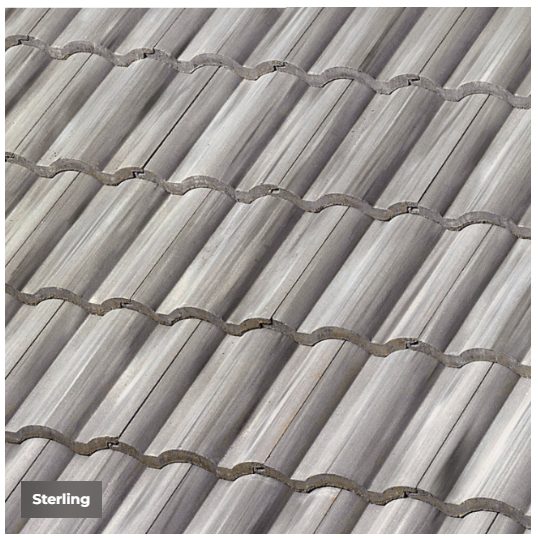
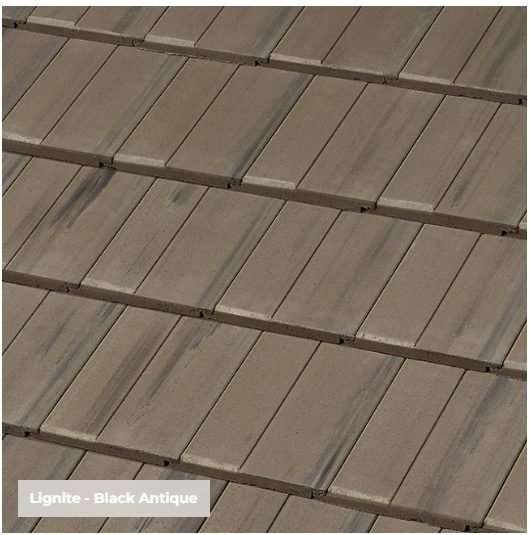
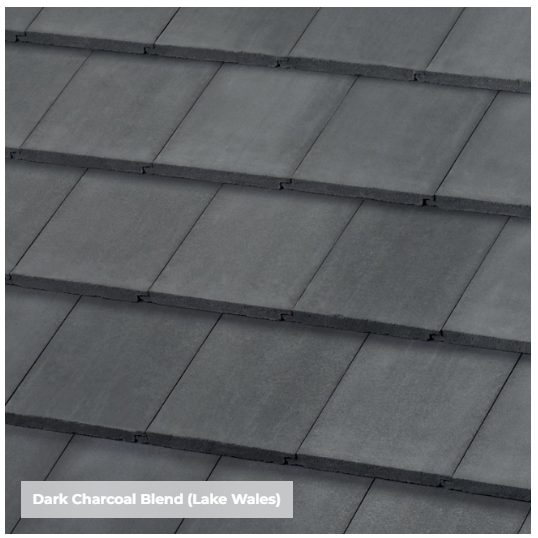
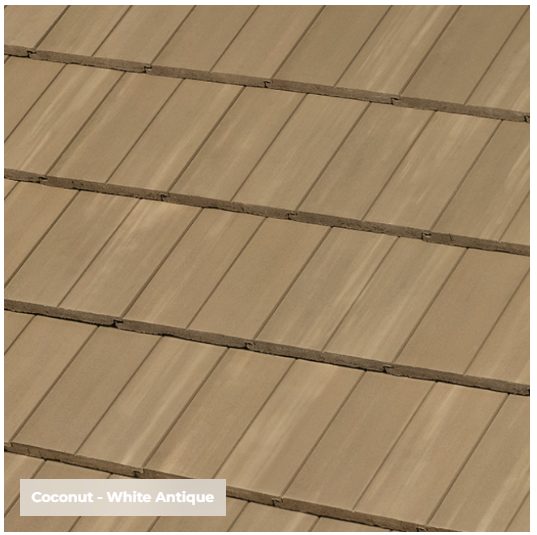
Modern tile roofing offers countless design possibilities to complement any architectural style. From traditional Mediterranean clay tiles in warm terracotta and red hues to sleek contemporary concrete tiles in grays and earth tones, there’s a perfect match for every home aesthetic. Tiles are available in various profiles including flat, curved, interlocking, and slate-look designs. Custom colors and finishes can be specially ordered to match specific design requirements. Whether you’re aiming for old-world charm, modern sophistication, or anything in between, tile roofing provides the versatility to achieve your exact vision while maintaining all the practical benefits of this superior roofing material.

Previous Tile Roof Replacements


Tile Types We Install
Kelly Roofing installs and replaces the tile systems common on Southwest Florida homes:
- Concrete tile — flat, S-shape, and interlocking profiles in a wide range of colors. Cost-effective and impact-tough for Florida heat and storms.
- Clay tile — classic barrel and Mediterranean profiles. Colorfast ceramic finish; lighter than many concrete options but more brittle underfoot.
- Manufacturer lines we install — Westlake and Eagle, installed under Tile Roofing Institute (TRI) certification for excellence in installation.
Both clay and concrete need the same system underneath: high-performance underlayment, correct flashings, valleys, and fastening for Florida wind codes. The tile you see is only part of the roof.
Style options: cool roof and Bermuda style
Beyond clay or concrete and the color you choose, two options come up often on Southwest Florida homes:
- A cool roof system, built so hot air can escape from under the tile instead of soaking into the attic.
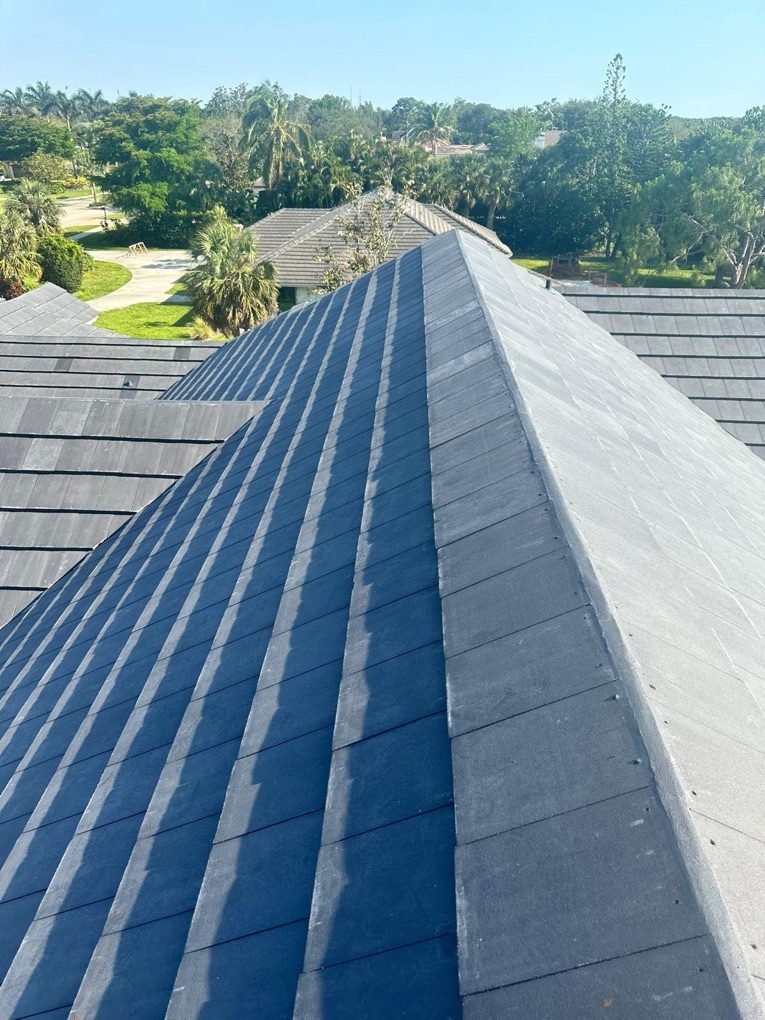
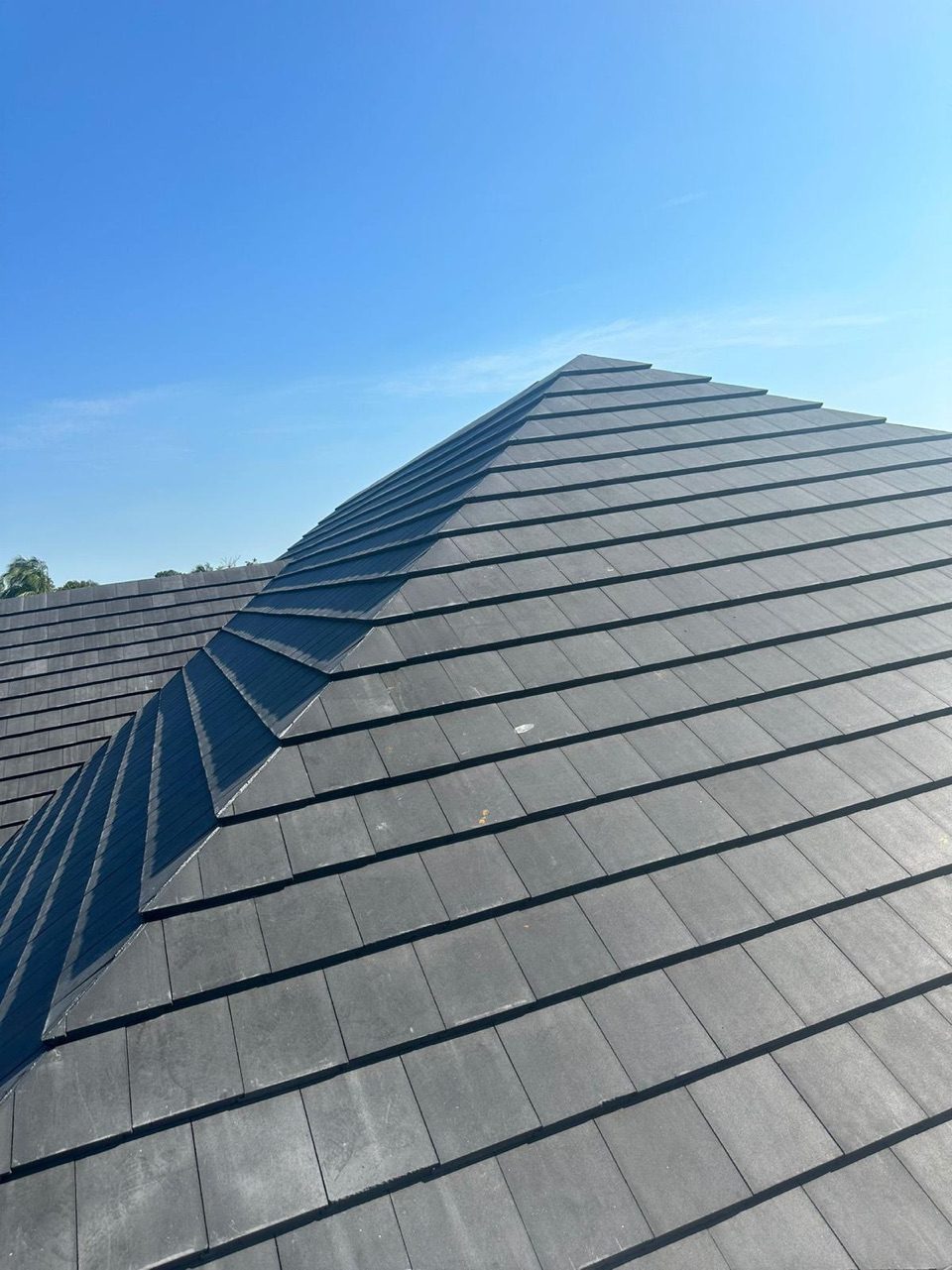
- Bermuda style, a flat-tile look with crisp, stepped rows, shown below.
Ask your project manager to bring samples and photos of finished Kelly roofs in the style you like.
Concrete tile profiles
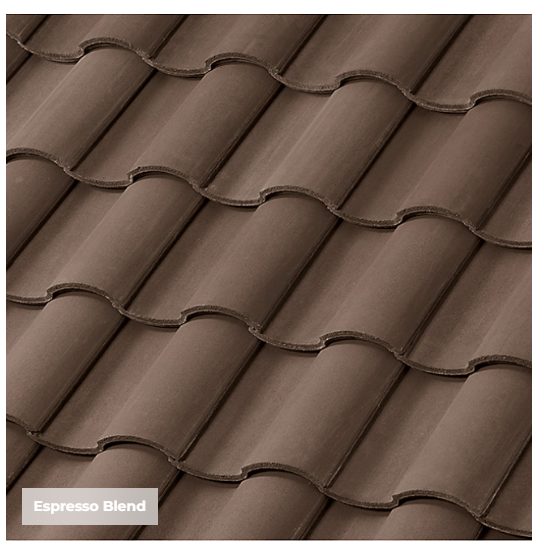
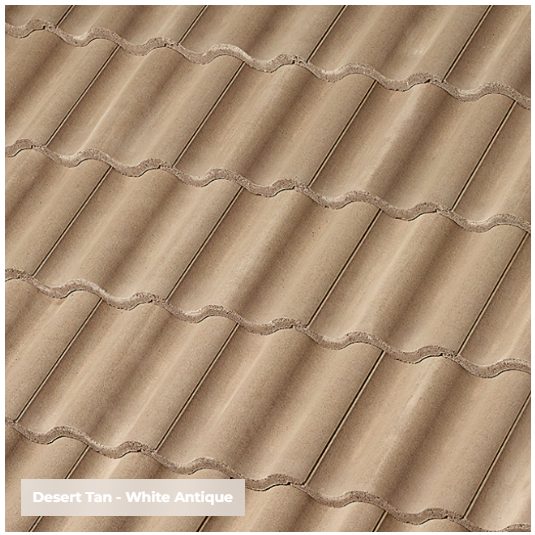
Concrete tile comes in several profiles, from Spanish-style barrel tile to flat, slate-look tile. A few of the profiles in our tile presentation are shown below in manufacturer photos: Barcelona 900, Estate, Villa 900, Plantation Slate Like, Saxony 900 Slate, and Saxony 900 Split Slate. Colors on a screen can differ from the real tile, so your project manager brings actual samples before you make a final choice.
Repair vs Full Tile Replacement
Choose tile roof repair when damage is limited to cracked, slipped, or missing tiles, localized flashing failures, or a small underlayment patch, and the rest of the underlayment is still sound. See our tile roof repair page for signs and timelines. For a side-by-side guide, see Tile Roof Repair vs. Replacement in Naples.
Choose full tile replacement or a lift-and-relay re-roof when leaks show up in unrelated areas, the underlayment is brittle across the field, the roof is past mid-life with widespread cracking, or a storm has opened large sections. In Southwest Florida the underlayment usually fails before the tile itself. An inspection that lifts tiles in representative areas is the reliable way to decide.
Our Tile Replacement Process
- Free on-site inspection with photos of tile, underlayment sample areas, flashings, and valleys.
- Written recommendation: repair, partial re-roof, or full replacement, with fixed pricing before work starts.
- Permit and Florida product-approved materials for Lee or Collier County.
- Tear-off or lift-and-relay, new underlayment and flashings, tile install, cleanup, and final walkthrough.
- Warranty registration and after-care guidance.
Replacement day, step by step
A new tile roof is a big project, and you should know what is happening on your property each day. Here is how a Kelly Roofing replacement runs, from the first tarp to the final cleanup.
Safety comes first on every job. Our foremen complete OSHA 10 safety training, and our supervisors complete OSHA 30.
1. We protect your home and yard first
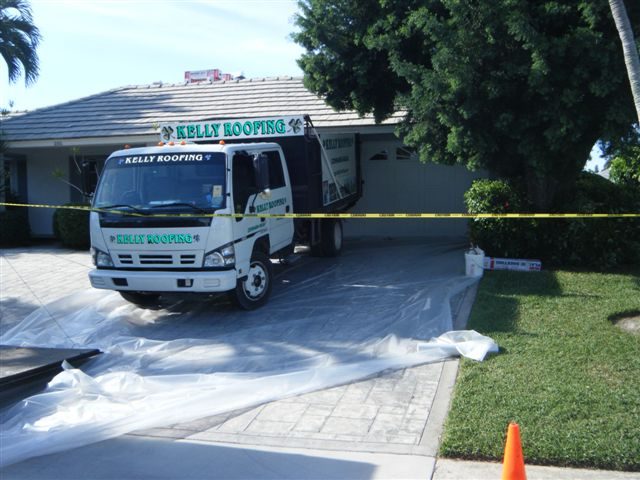
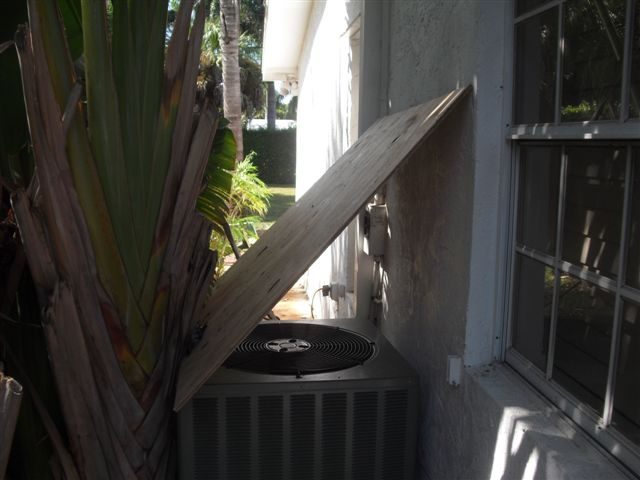
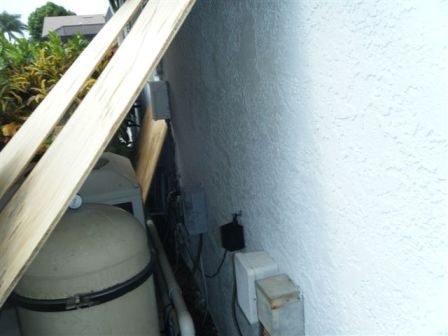
Before any old roofing comes off, the crew covers what falling debris could damage: the driveway, air-conditioning units, pool equipment, and the roof edges above walkways and landscaping. This is part of the Kelly Clean Guarantee: we protect your property while we work and clean up every day, not just at the end of the job.
2. The old roof comes off, down to the deck
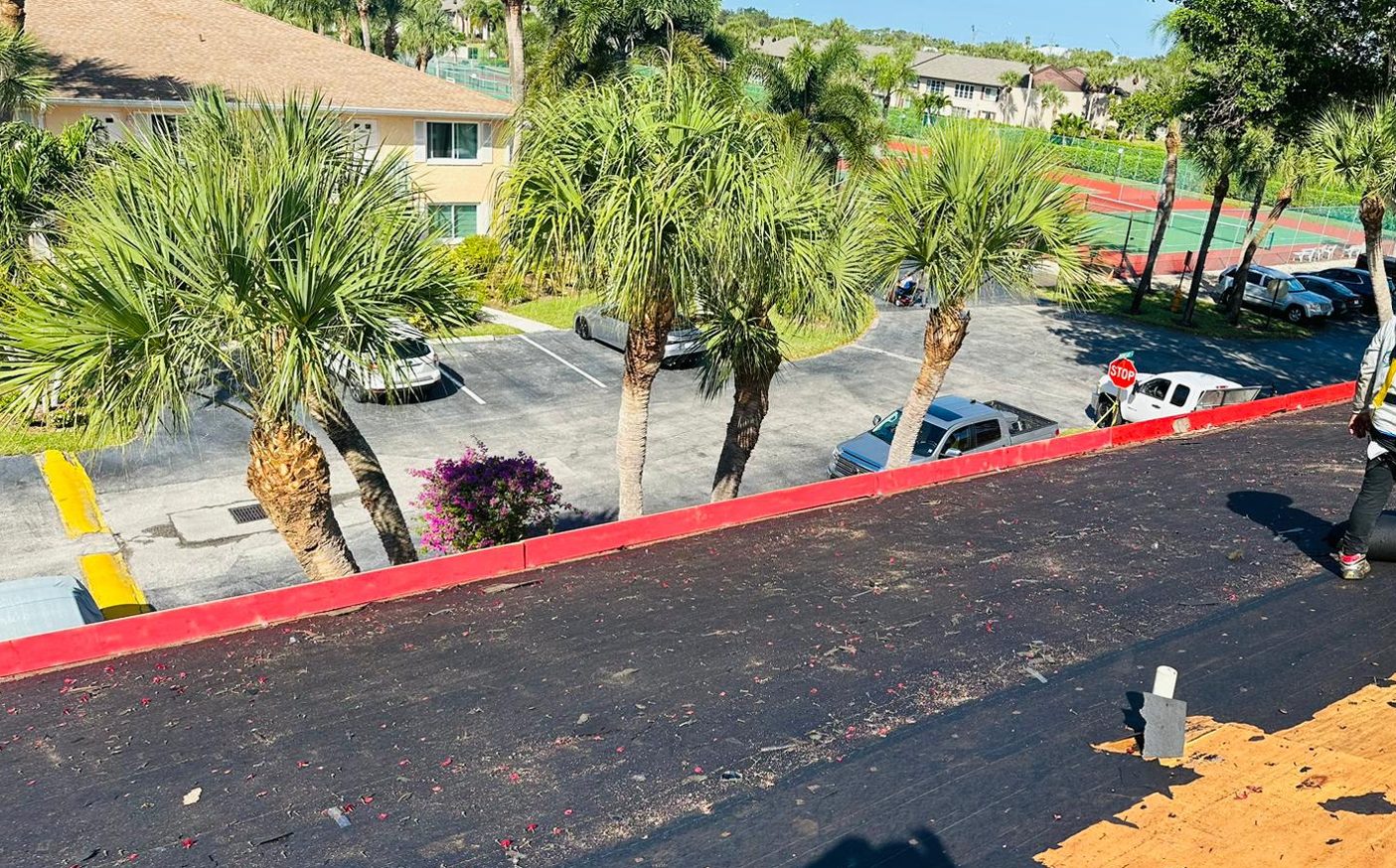
We remove the existing roof system so we can see the roof deck itself. That is the only way to know whether the wood underneath is sound.
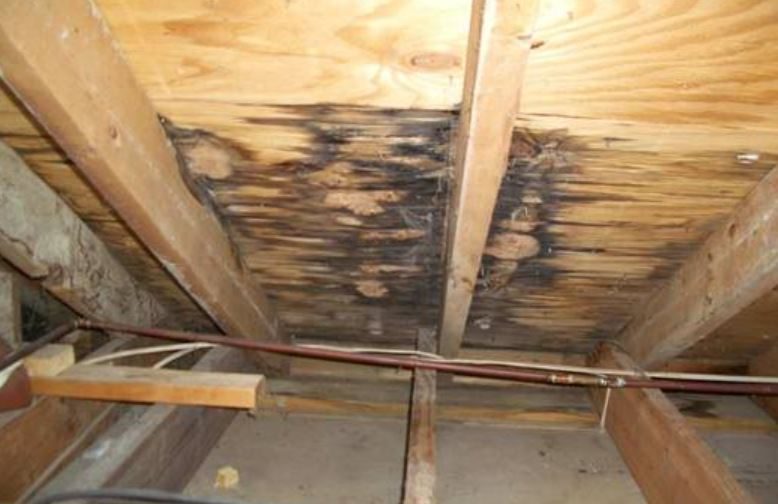
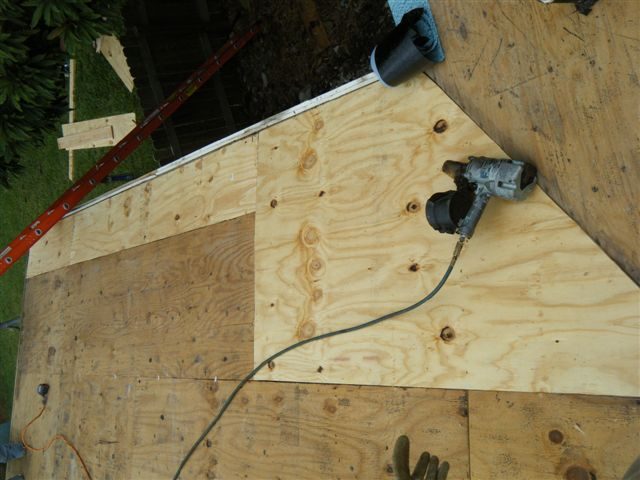
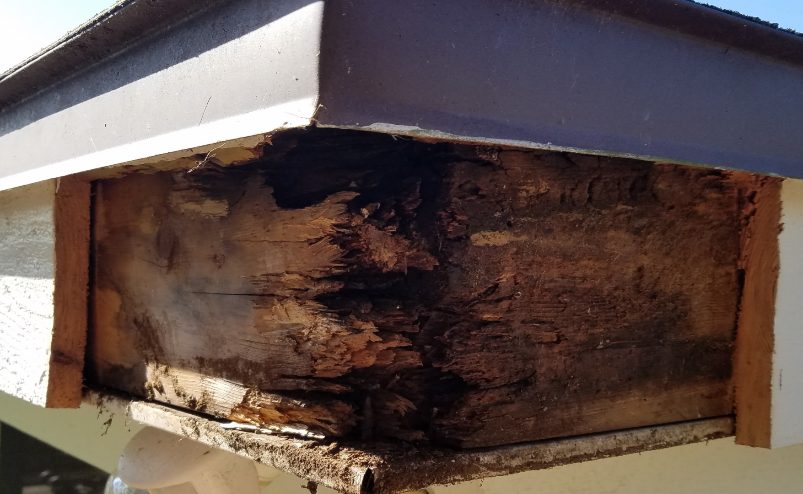
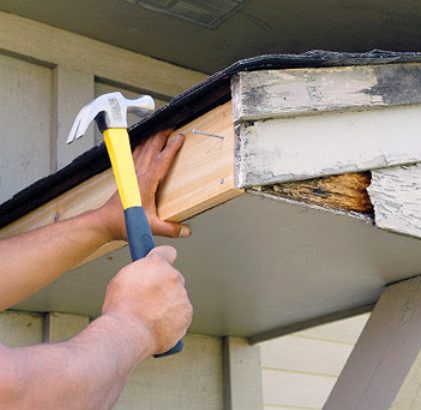
3. Rotted wood is found and repaired before anything new goes on
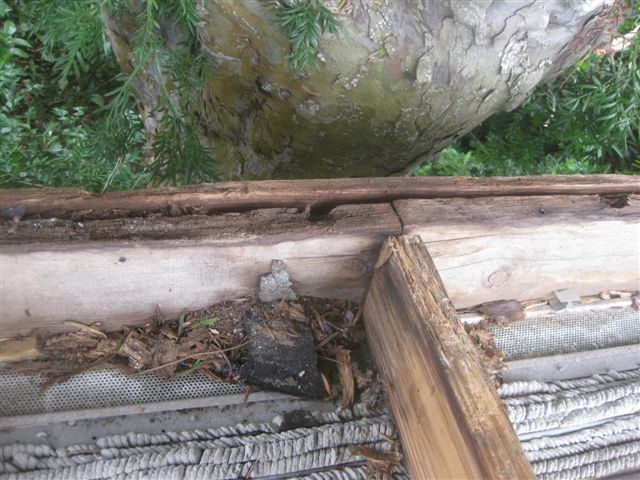
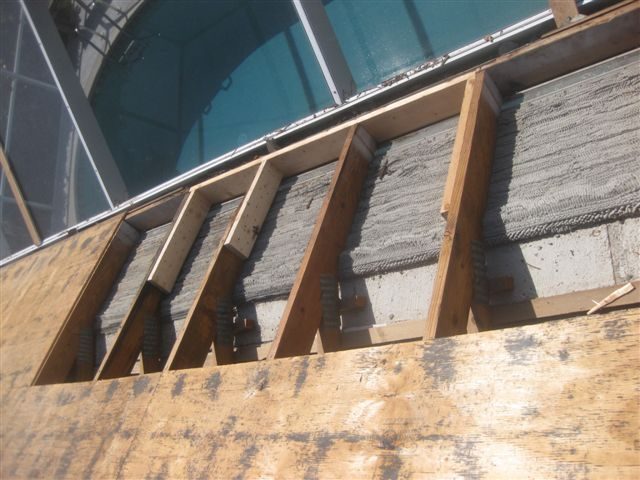
Years of slow leaks can rot plywood decking, fascia boards, and sometimes the trusses that hold the roof up. When we find rot, we show you, then cut out and replace the damaged wood so the new roof is fastened to solid structure. We go over our wood repair pricing chart with you at the estimate, so you know how any repair is priced before work starts.
4. The deck is re-nailed and tied down
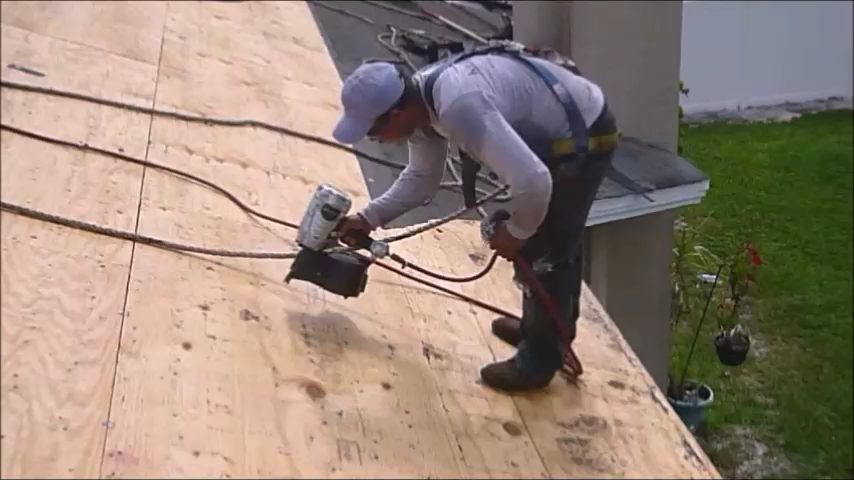
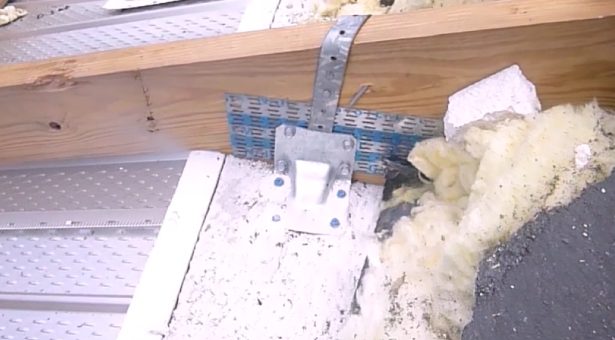
With the deck open, we can strengthen how the roof holds together in high wind: re-nailing the plywood with 8D ring-shank nails at 6-inch spacing, and adding a third nail at the roof-to-wall connections. These are the same items a wind mitigation inspector looks for (more on that below).
What goes under the tile: underlayment choices
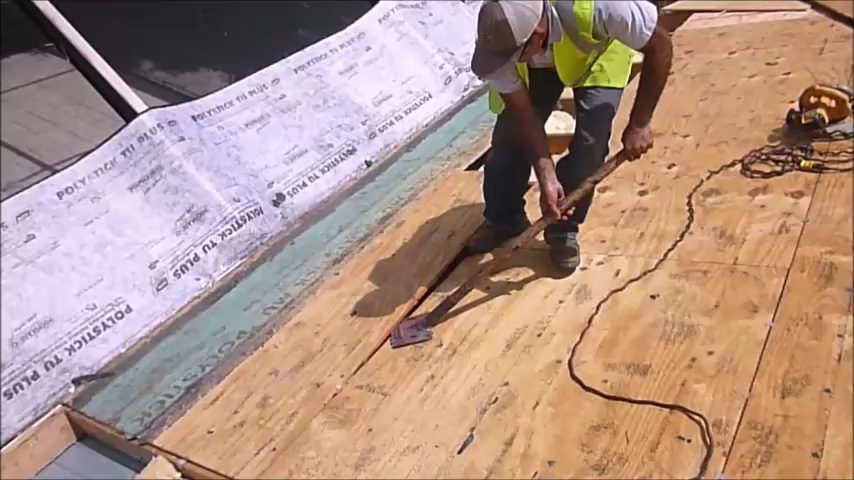
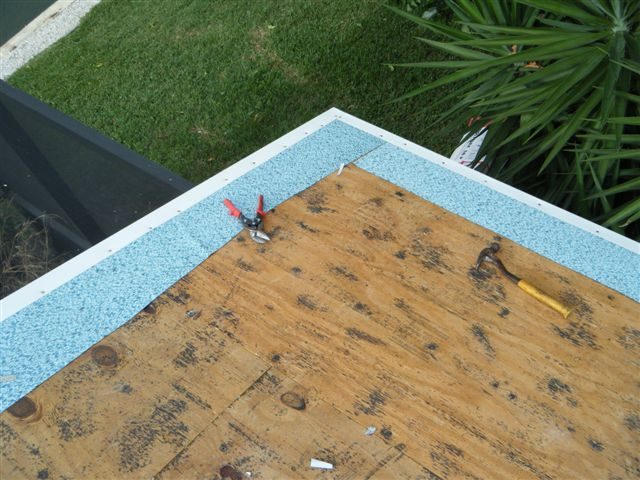
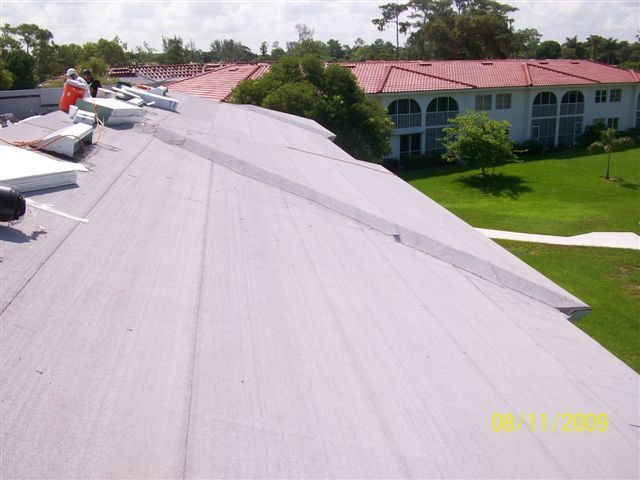
In Southwest Florida, the underlayment usually wears out before the tile does, so it deserves as much attention as the tile you see. Your proposal names the exact system; these are the options we install:
- Nailed base layers: Poly Anchor HV, U20 synthetic, or #30 felt. If the old roof had a peel-and-stick underlayment, a nailed layer is installed first.
- Plywood seams taped with 4-inch peel-and-stick tape, which qualifies for the secondary water resistance (SWR) insurance item.
- MTS Plus peel-and-stick tile underlayment, used as a strip-in at every flashing detail and as a base layer over the whole roof.
- Peel-and-stick tile underlayments such as TU-Max, Weatherlok, and SA-P, which also qualify for the SWR item.
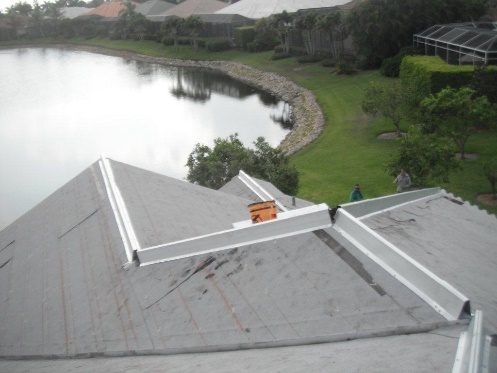
Flashings built for salt air
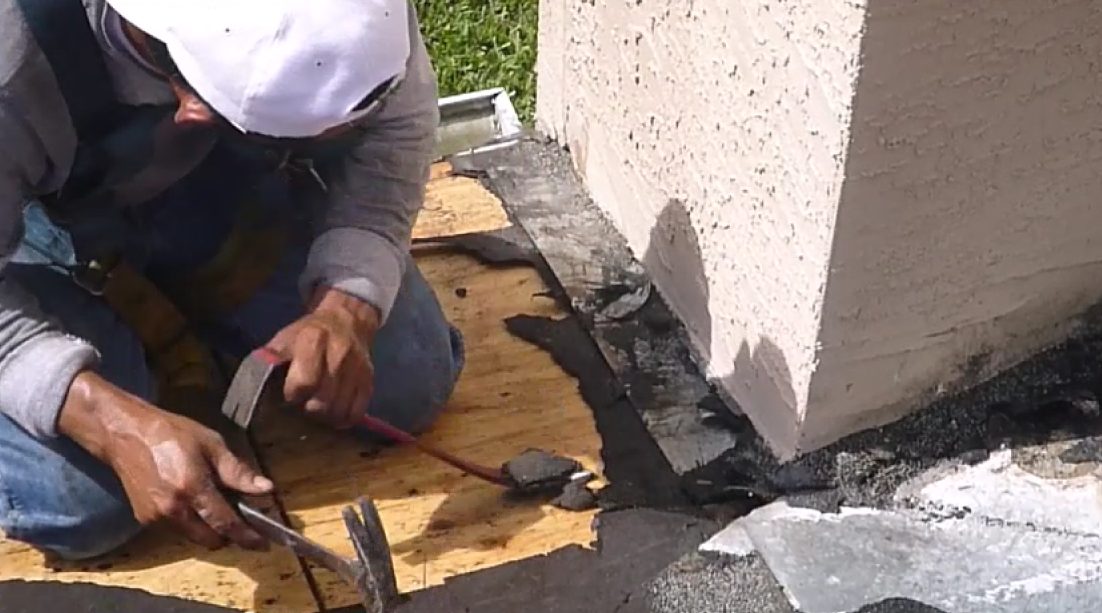
Galvanized and Galvalume metals carry warranty exclusions for homes close to salt water. Aluminum does not have that problem, so we recommend aluminum flashings to avoid the exclusion. That matters in Naples, Marco Island, Cape Coral, and anywhere near the Gulf, bays, or canals.
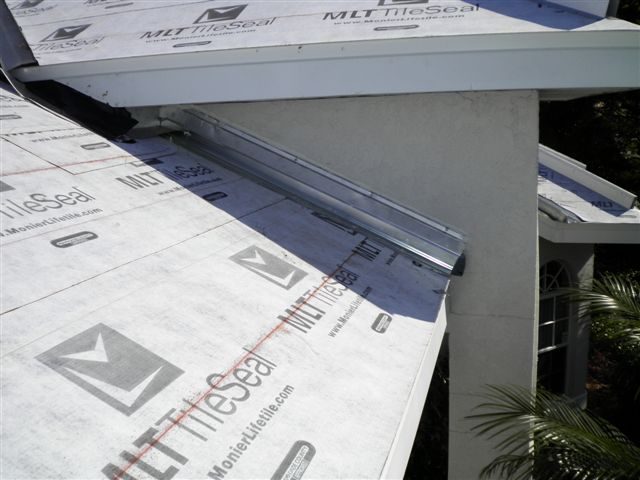
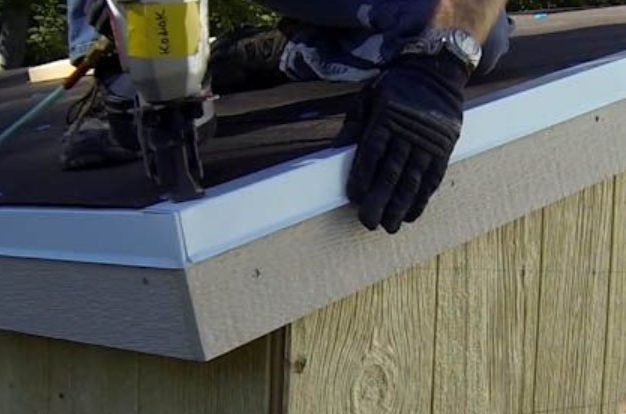
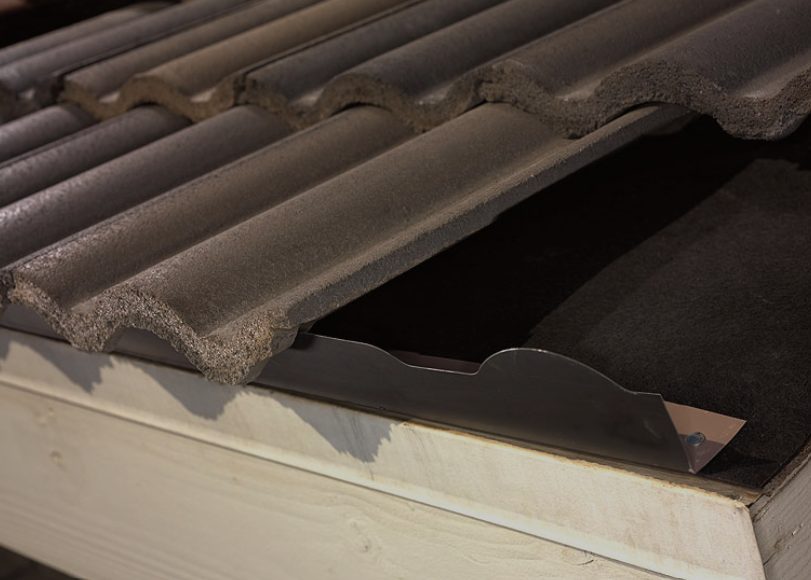
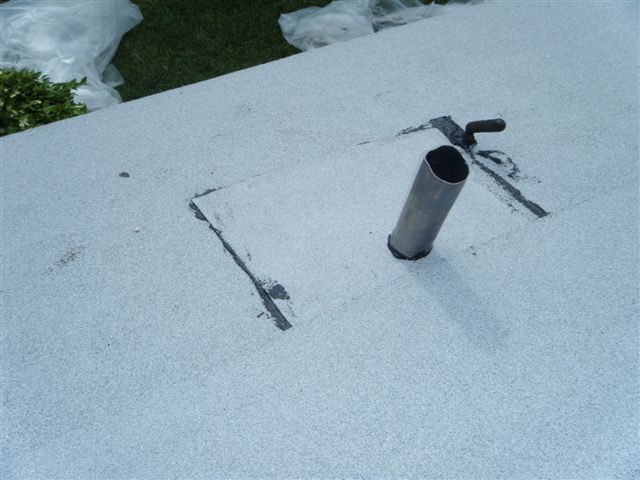
Every edge and opening on a new tile roof gets its own flashing:
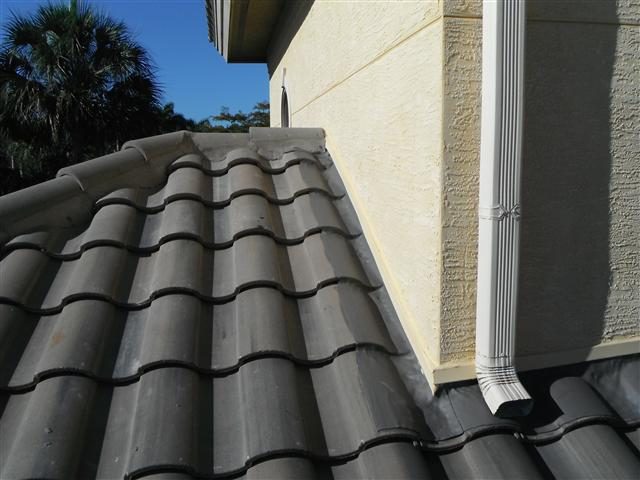
- Wall flashing: preformed new flashing, or the existing wall flashing re-used where it is sound.
- Drip edge and eave riser along the roof perimeter.
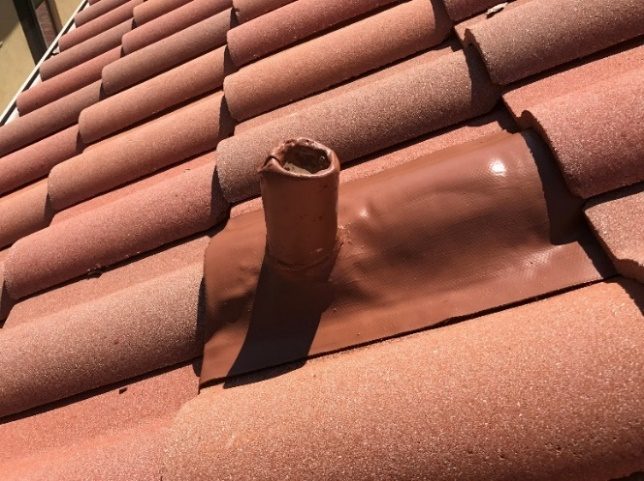
- Plumbing stack and exhaust vent flashings.
- Off-ridge vents, including O’Hagin tile-profile vents that match the roof.
- Preformed valley flashing.
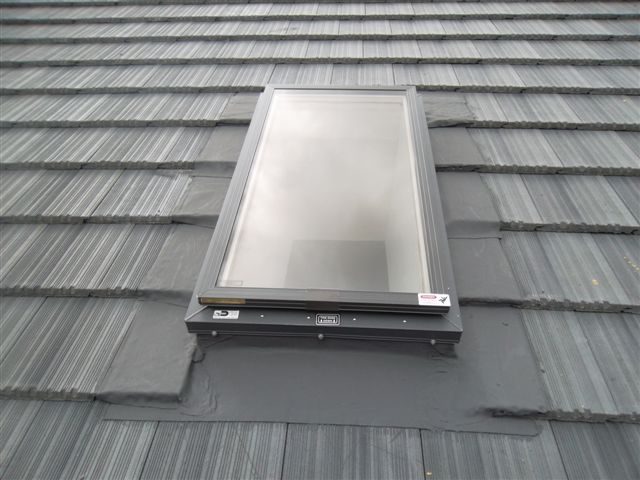
- New skylights and sun tunnels, with their own flashing kits.
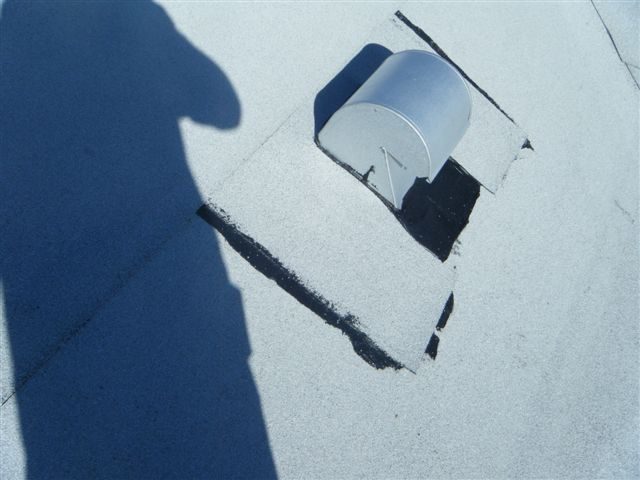
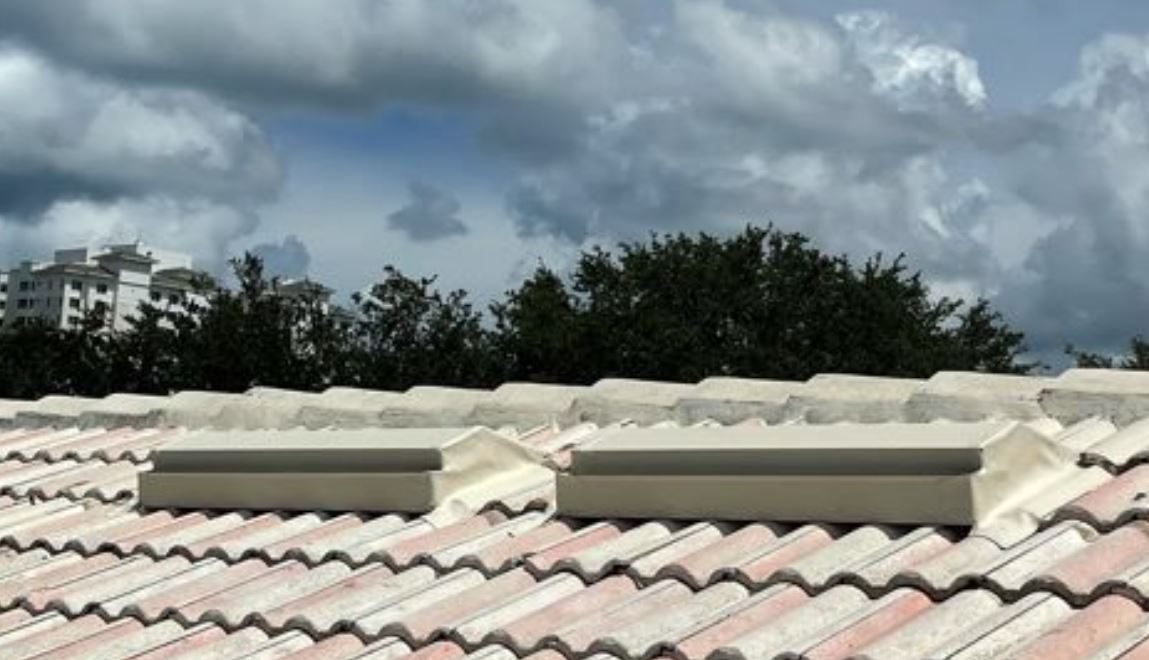
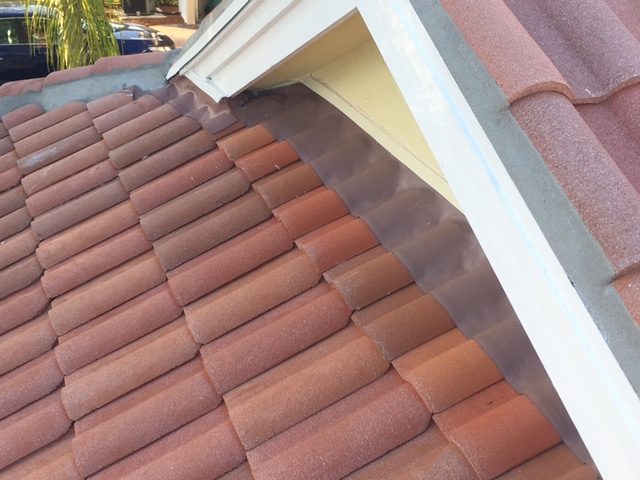
Top flashing keeps water on the tile, not the underlayment
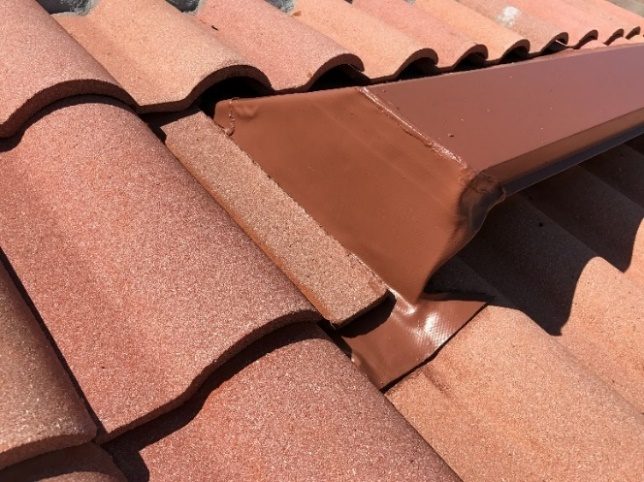
The Tile Roofing Industry Alliance recommends that water run on the tiles and flashing, not on the underlayment, to prevent oil migration: water running under the tile slowly breaks down the underlayment. On a new tile roof we recommend top flashing over the tiles at protrusions, skylights, and walls, along with preformed valleys. Read more on our Top Flashing page.
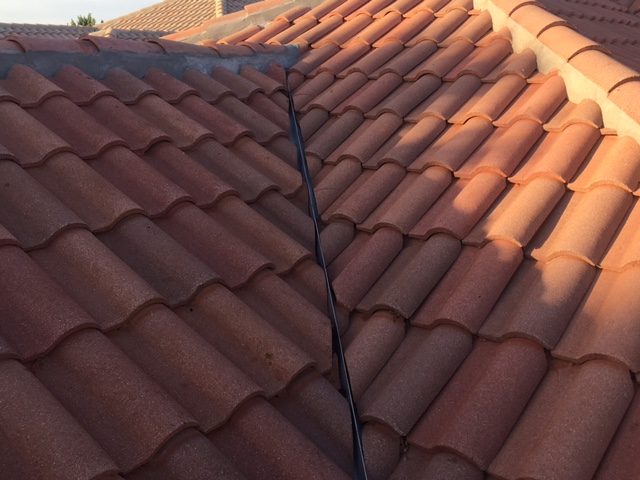
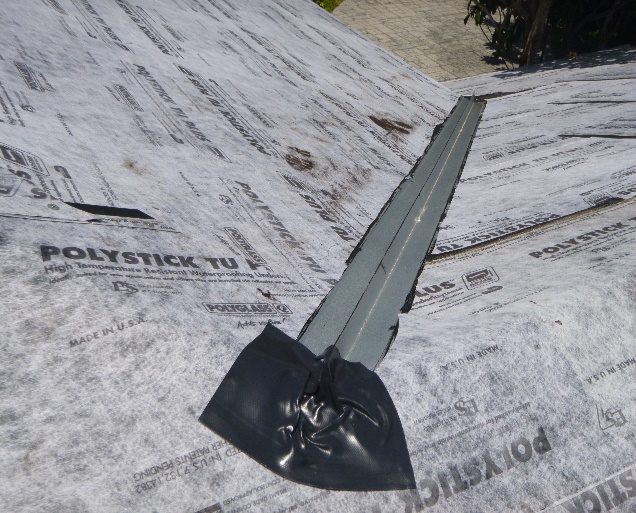
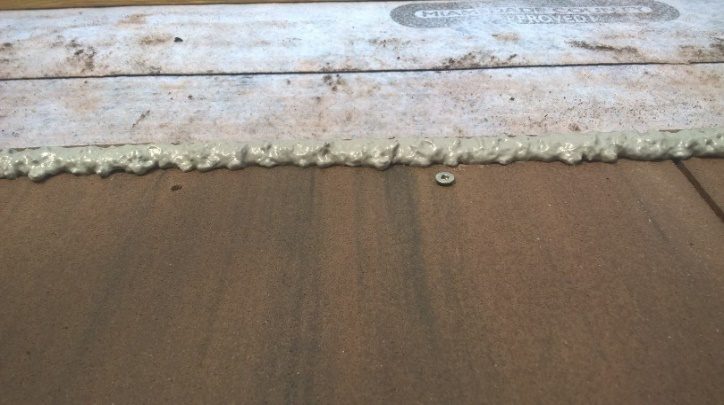
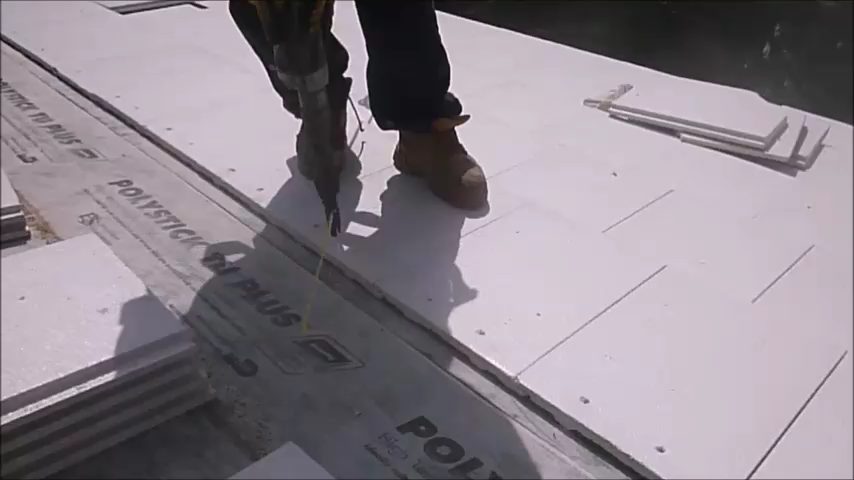
Foam, screws, or hybrid: how your tiles are held down
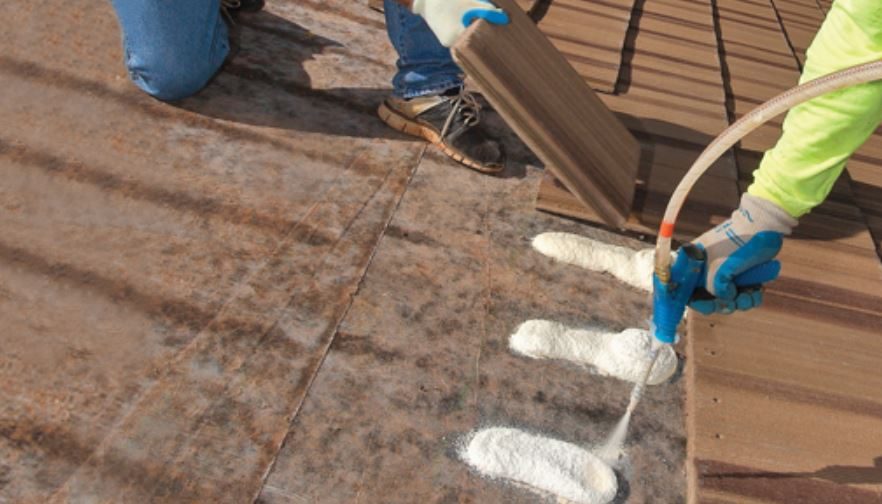
How tiles are attached decides how they behave in a hurricane. There are three common methods:
- Foam only: tiles are set in foam adhesive. When that bond lets go, tiles can slide out of place.
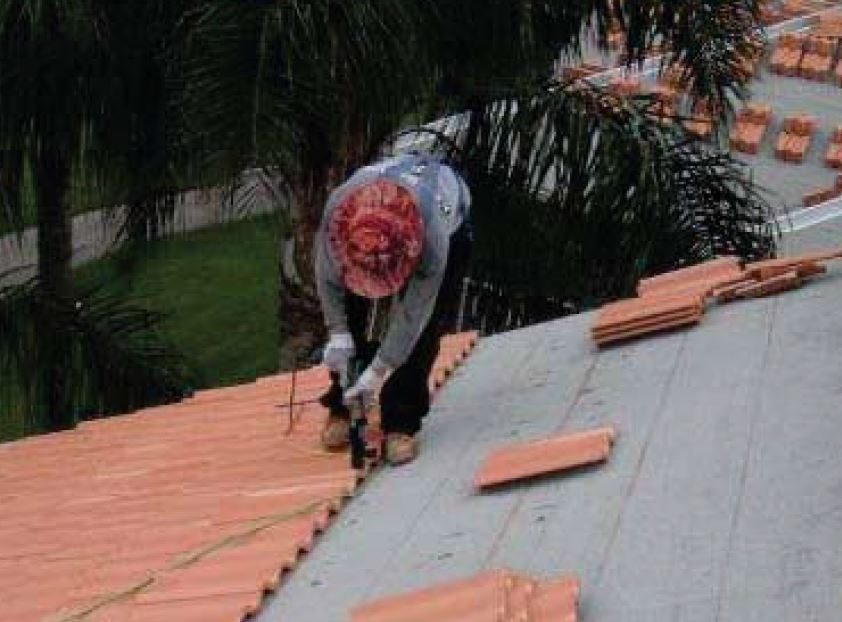
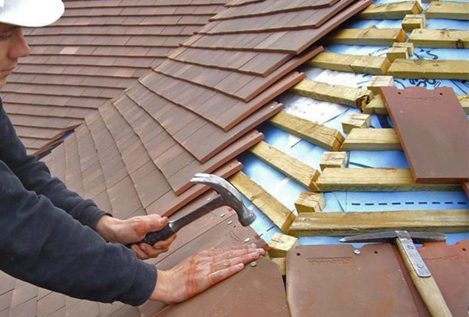
- Screws only: each tile is fastened mechanically. In high wind, tiles can lift and tap against each other, called tile chatter, which can crack tiles over time.
- Hybrid: foam adhesive and mechanical fasteners together. Kelly Roofing developed this method, and it is what we recommend.
Hip and ridge caps that stay put
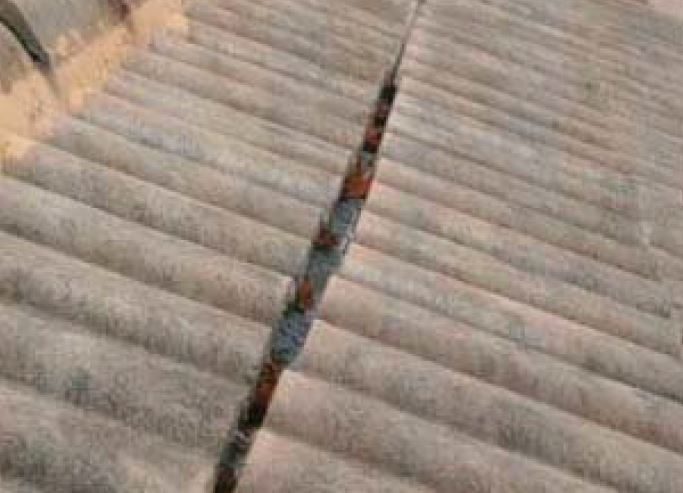
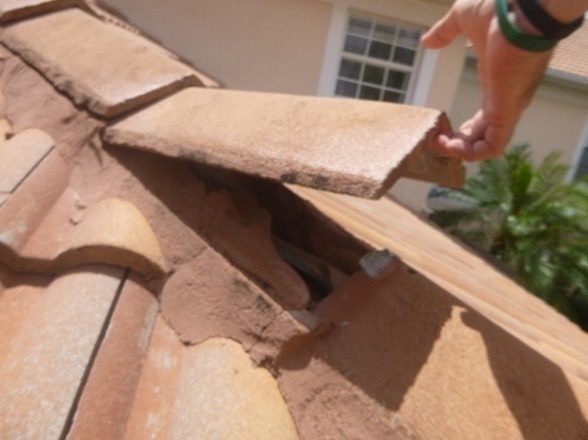
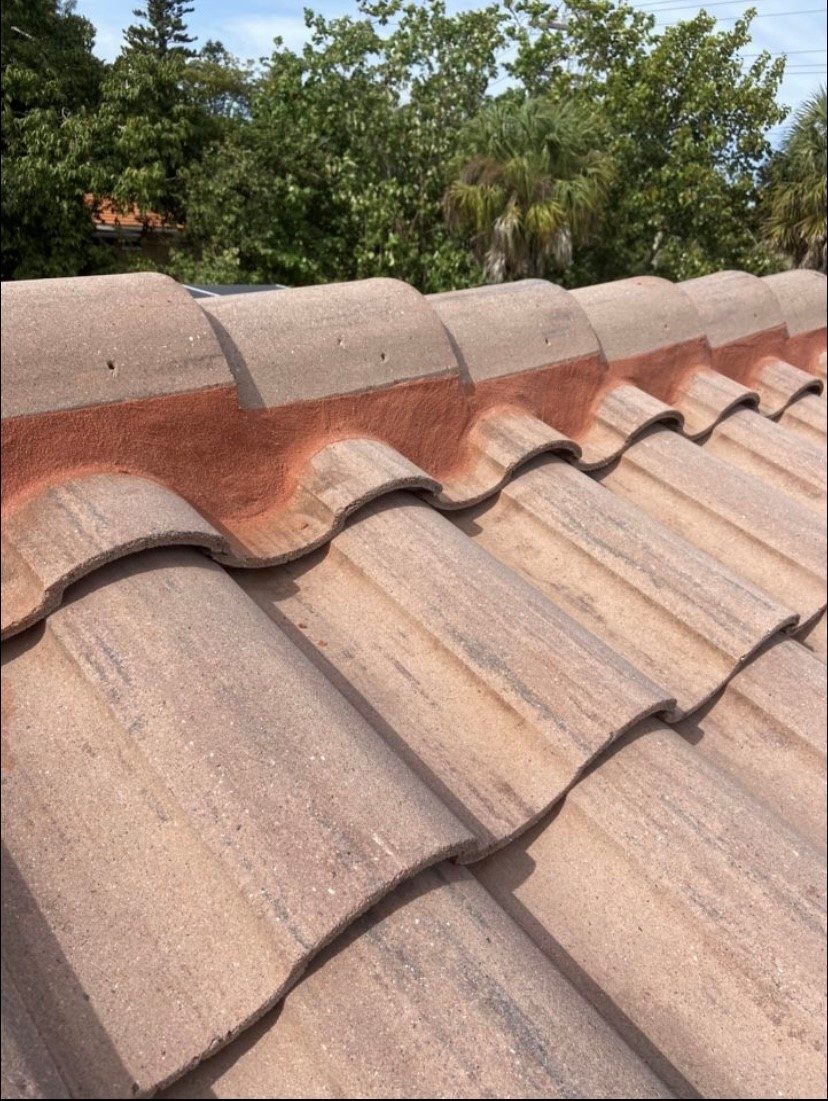
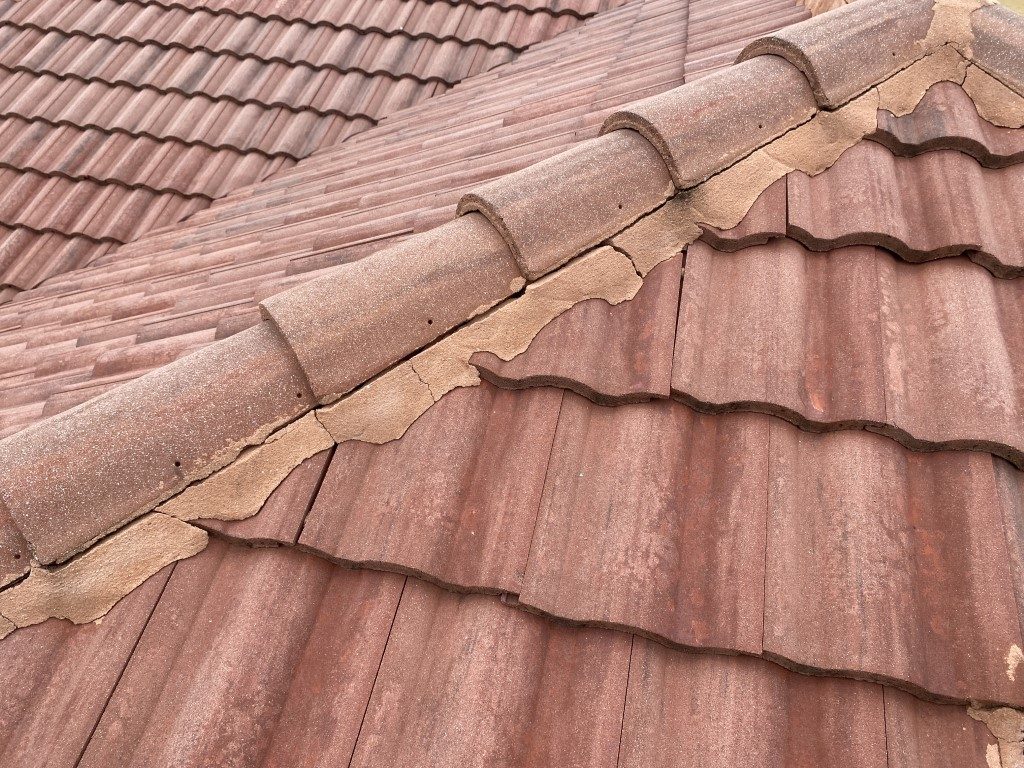
Cement alone along the hips and ridges cracks with time, and loose cap tiles follow. On a new tile roof we recommend setting the caps on ridge anchors, either metal anchors with cement or wood anchors with flexible flashing, so the caps are held mechanically and not by mortar alone.
Warranty and Credentials
- Florida roofing contractor license CCC1325948.
- Main phone (239) 435-0014 · 1360 Rail Head Blvd, Naples, FL 34110 · Hours 24/7.
- 10-year transferable workmanship warranty.
- 50-year manufacturer warranty Kelly passes through on tile systems.
- Westlake and Eagle tile systems installed under Tile Roofing Institute (TRI) certification.
- 24/7 service with no additional after-hours emergency fees.
- Kelly Roofing does more tile roof repairs and replacements than any other roofer in the area.
How the warranties on a new tile roof fit together
A new tile roof is covered by more than one warranty, and each covers something different:
- A 50-year manufacturer warranty on the tiles themselves.
- A 30-year material and labor warranty from the manufacturer on the underlayment.
- Kelly Roofing’s 10-year transferable workmanship warranty on the installation. If you sell your home, the workmanship warranty can go to the new owner.
Your proposal names the tile, the underlayment system, and the warranties that apply, and we register the manufacturer warranties for you. If you ever have a concern, call (239) 435-0014 or use our warranty claim form.
Caring for your new tile roof
Tile is low-maintenance, not no-maintenance. A few habits keep a new roof performing:
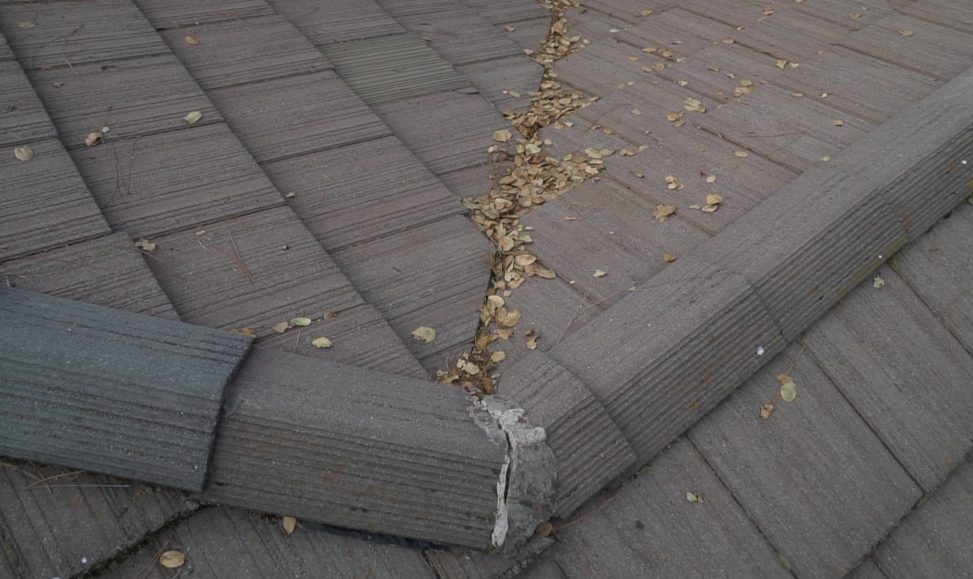
- Keep valleys, hips, and gutters clear of leaves and debris so water can drain.
- Have ridge and hip cement checked as the roof ages.
- Replace a cracked tile promptly, before water reaches the underlayment.
- Clean the tile the way the manufacturer recommends: about 1,200 psi, with the nozzle one to two feet from the tile. High-pressure washing and harsh chemicals can break tiles and damage flashing and lawns.
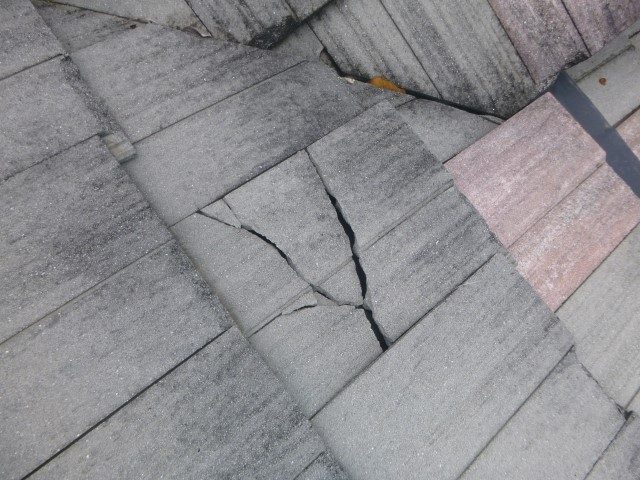
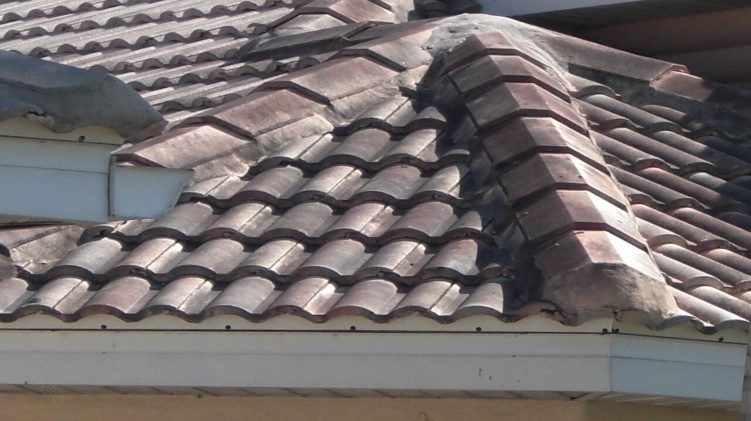
Roof Rain is an algae-prevention treatment applied after a proper cleaning, as part of a 2-year treatment program. See Roof Cleaning, and ask about Roofiversary, our every-other-year inspection program.
Ask about insurance and energy items while the roof is open
A roof replacement is the one time the deck, the roof-to-wall connections, and the attic are all easy to reach. That makes it the right moment to add the features that can help with wind insurance discounts and with attic heat.
Wind mitigation items
- Roof-to-wall connection: enhanced by adding a third nail.
- Roof deck attachment: plywood re-nailed with 8D ring-shank nails at 6-inch spacing.
- Secondary water resistance (SWR): peel-and-stick underlayment or taped plywood seams.
- Opening protection: a hurricane-resistant skylight, if you are adding or replacing one.
- Roof covering: a new, code-compliant roof covering is its own line on a wind mitigation inspection.
We document the work so you can share it with your insurance agent. We do not interpret your policy or promise a specific discount; your insurer decides that. Learn more on our Wind Mitigation and My Safe Florida Home pages.
Ventilation and attic heat
- Intake at the soffits, so fresh air can enter the attic.
- Exhaust at or near the ridge, so hot air can leave.
- Low-E reflective insulation to cut radiant heat coming through the roof.
- Added attic insulation where the existing layer is thin. See Insulation & Ventilation.
Tile roof replacement close to home in Lee and Collier counties
Kelly Roofing has been a family company since 1972, headquartered at 1360 Rail Head Blvd in Naples, with 75,000+ roof projects completed. We replace tile roofs on existing homes in Lee and Collier counties only, and we do not do new construction. Our crews know local permitting and how salt air, summer storms, and year-round sun wear on a roof here.
Tile roof replacement by city: Naples, Bonita Springs, Estero, Fort Myers, Cape Coral, Marco Island, Ave Maria.
Florida roofing license CCC1325948. Call (239) 435-0014 or get an instant estimate.
Service Areas
Kelly Roofing replaces tile roofs in Lee and Collier counties only: Naples, Bonita Springs, Estero, Marco Island, and Fort Myers. We do not claim service outside these counties.

Tile Roof FAQs
Start Your Tile Roof Replacement Today!
Since 1972, Kelly Roofing has been Florida's trusted roofing professionals, protecting Florida homes through countless hurricanes, tropical storms, and the daily challenges of our intense climate. Since 1972, we've seen every type of problem and learned exactly what it takes to build roofs that last. Whether you're looking for a no-obligation estimate, new roof, repairs, solar, or roofing accessories Kelly Roofing has you covered. Call us at (239) 435-0014 or click the button below to get started.