Why Does Choosing the Right Roofer Feel So High-Stakes?
Because your roof is the barrier between your home and everything outside it, and when something goes wrong, leaks, storm damage, rising energy bills, and surprise repair costs can follow fast. You need a roofer who can assess problems clearly, explain options simply, and do the work safely and correctly the first time.
Whether you are dealing with a small repair, an aging roof, or a full replacement, the right professional should guide you through the inspection, materials, installation, and long-term maintenance with confidence. Start with a trusted expert, because waiting too long can turn a manageable issue into a much bigger one.
- What they do: Assess, install, repair, and maintain roofs using materials like asphalt shingles, metal, and tile
- How to find a good one: Look for licensed, insured contractors with BBB accreditation or GAF certification
- When you need one: Storm damage, leaks, curling shingles, or a roof older than 20-25 years
- What it pays: The median wage for Roofers is $50,970 per year, with 6% job growth projected through 2034
- Safety matters: Roofing is one of the most physically demanding and hazardous trades, with strict OSHA safety requirements
Your roof is your home’s first line of defense. In Florida especially, that means standing up to intense heat, heavy rain, and hurricane-force winds year after year.
When something goes wrong, the roofer you choose makes all the difference. A skilled professional can spot problems early, recommend the right fix, and help you avoid costly surprises down the road.
But not all Roofers are the same. There are union workers, independent contractors, and specialized roofing companies. There are Roofers certified by manufacturers like GAF and those accredited by the Better Business Bureau. Knowing the difference can save you time, money, and a lot of stress.
This guide breaks down everything you need to know — from how to choose a reliable roofer, to understanding roofing materials, safety standards, and when to repair versus replace.
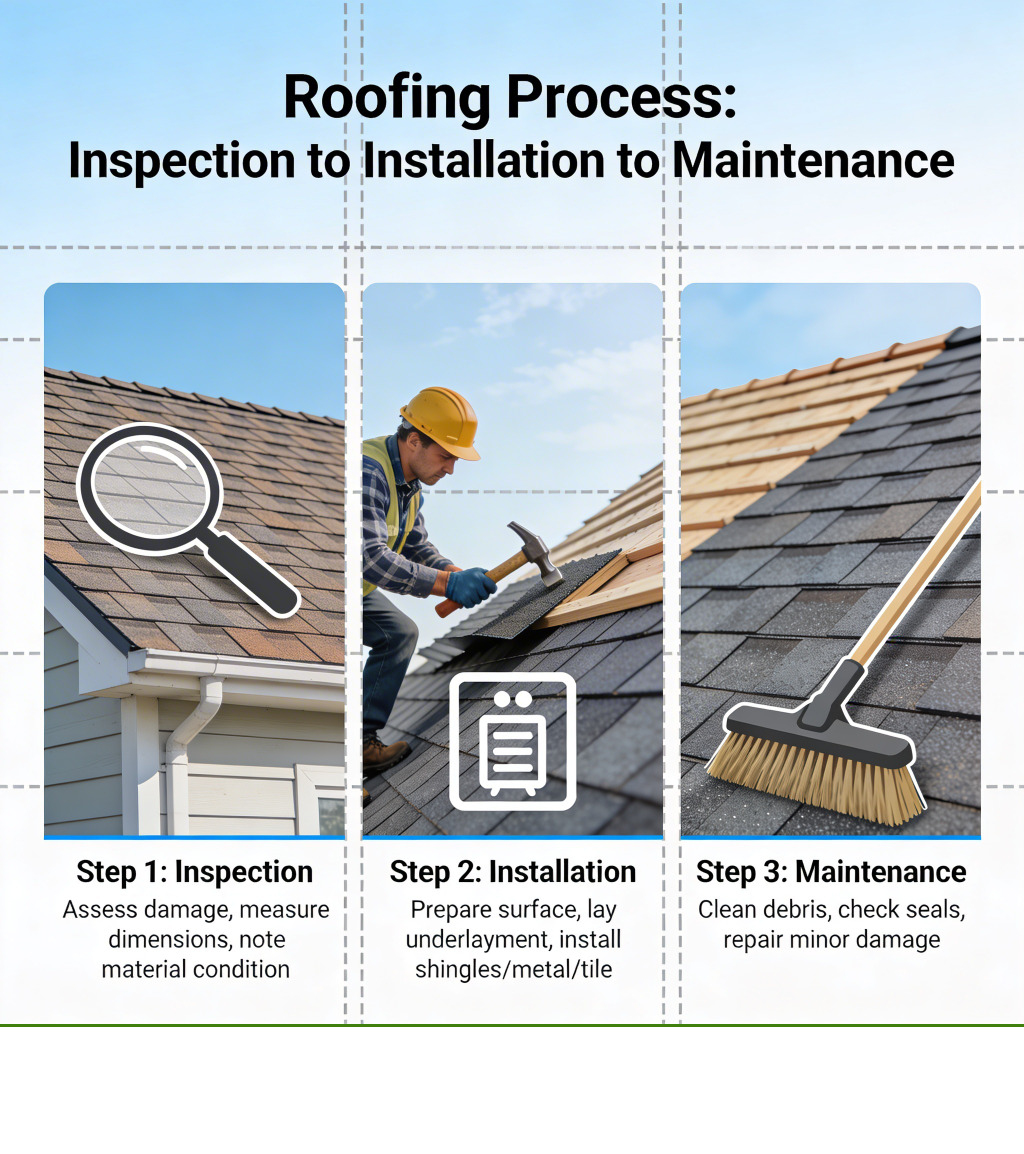
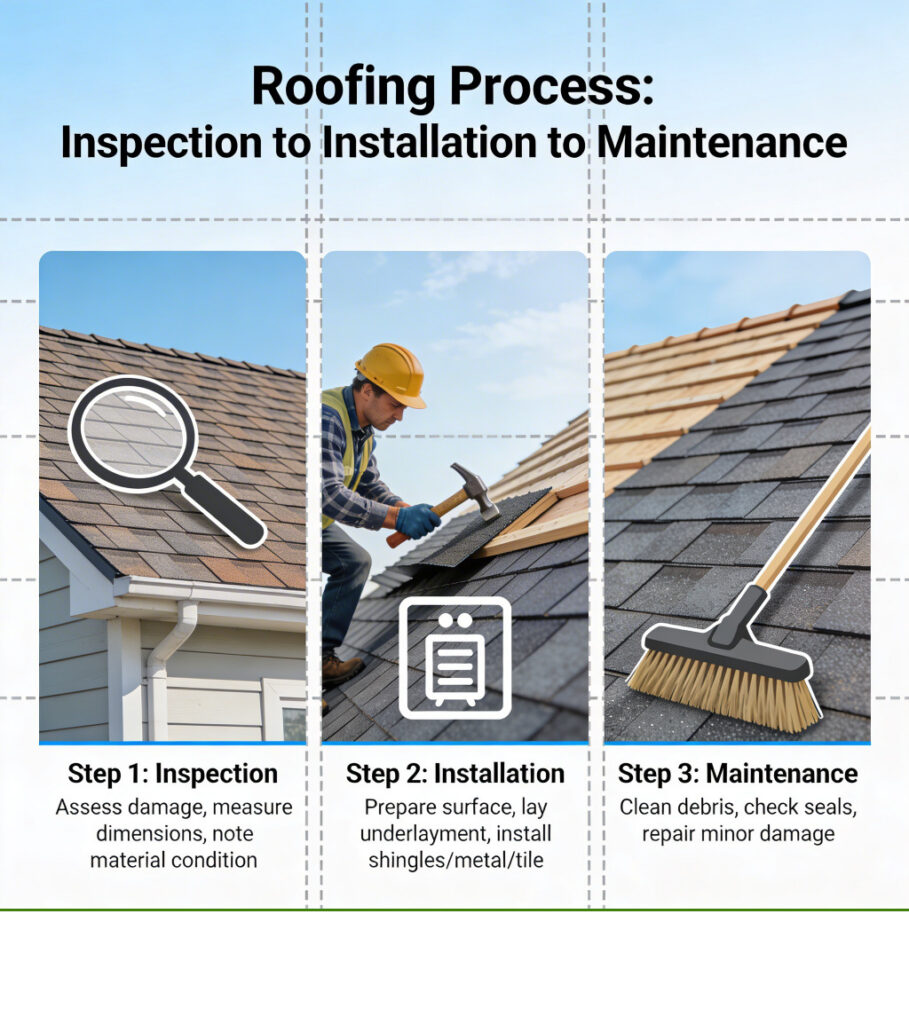
When we talk about what Roofers actually do, it goes far beyond just nailing down shingles. A professional roofing team manages the entire “envelope” of your home’s top. This includes:
- Assessment: Inspecting the roof deck, rafters, and trusses for structural integrity.
- Installation: Applying underlayment, flashing (the metal bits that prevent leaks in corners), and the final surface material.
- Repair: Fixing “fishmouths” (warped edges), “alligatoring” (cracked asphalt), and sealing exposed nail heads with roofing cement.
- Maintenance: Clearing debris like leaves and moss that can trap moisture and cause rot.
In Florida, from Naples to Port Charlotte, our Roofers have to be experts in waterproofing. Because we deal with tropical storms, a roofer’s role in installing “drip edges” and “crickets” (small structures that divert water around chimneys) is vital for keeping your living room dry.
Choosing the Right Roofers for Your Home
Finding a contractor in Florida can feel like a full-time job. With so many companies popping up after a storm, how do you know who to trust? We always recommend starting with BBB-rated companies. The Better Business Bureau assigns ratings from A+ to F based on how a business interacts with its customers. An A+ rating means the company has a proven track record of resolving complaints and being transparent.
Another gold standard is looking for GAF-certified contractors. GAF is North America’s largest roofing manufacturer, and they don’t just hand out certifications to anyone. Their tiered system includes:
- GAF Certified: Licensed and insured professionals.
- Master Elite: The top 2% of Roofers in the country. These contractors can offer the strongest warranties because the manufacturer trusts their workmanship.
Essential Qualifications for Expert Roofers
Becoming a professional roofer doesn’t usually require a college degree, but it requires a massive amount of specialized knowledge. Most Roofers enter the field through on-the-job training or a formal apprenticeship.
An apprenticeship is a structured way to learn the trade, often involving several years of supervised work. During this time, they learn how to:
- Handle hazardous materials safely.
- Use tools like “spuds” (for removing old roofing) and “seamers” for metal roofs.
- Master “blind nailing,” a technique where fasteners are hidden to protect them from the elements.
Safety is the most critical part of a roofer’s training. Given that the fatal injury rate for Roofers was 59.0 per 100,000 workers in 2021—significantly higher than the national average—expert Roofers must be obsessed with safety protocols.
Comparing Roofing Materials and Emerging Trends
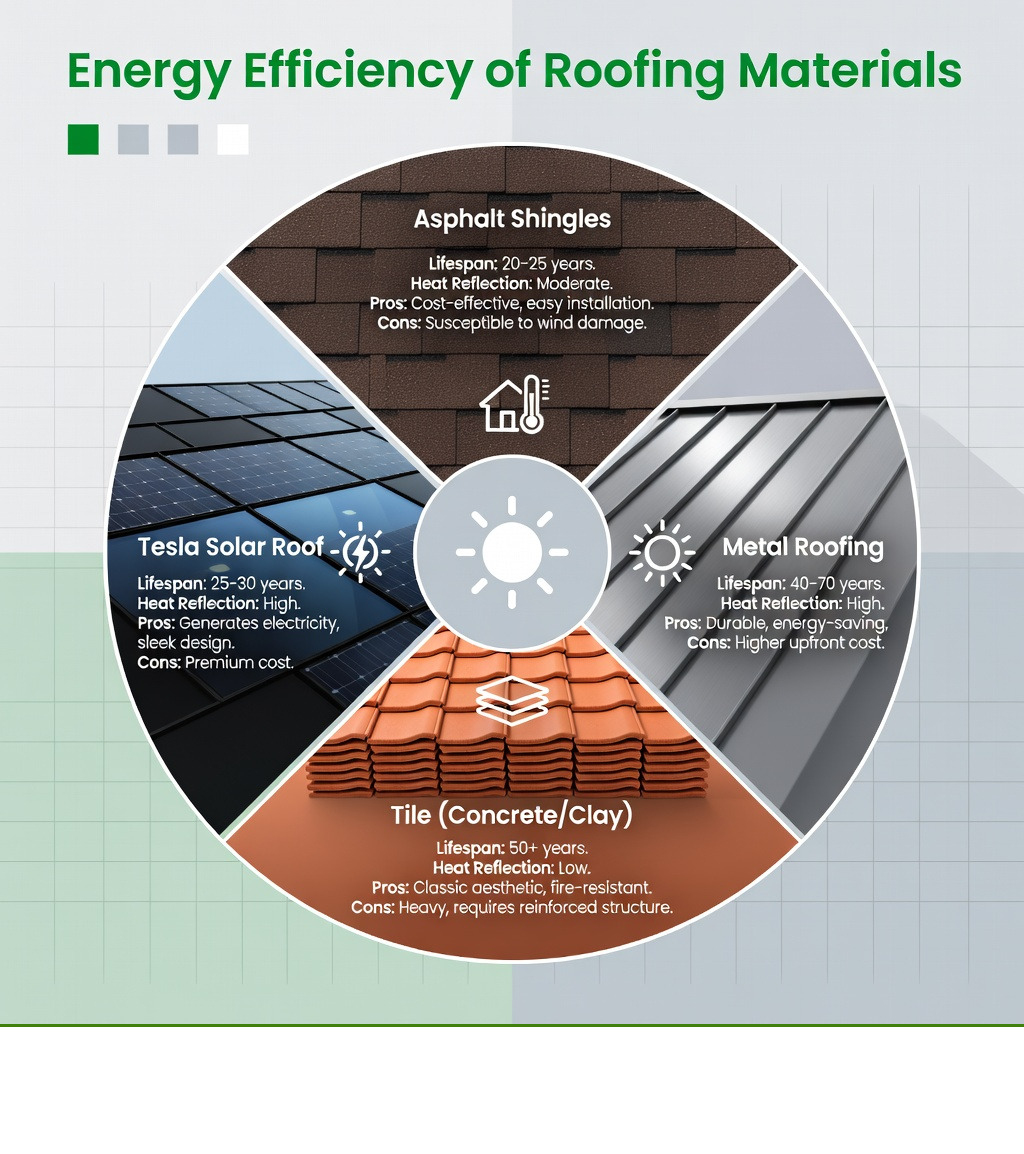
The materials you choose will determine how often you need to call Roofers back to your home. In Florida, heat resistance is just as important as water resistance.
| Material Type | Average Lifespan | Pros | Cons |
|---|---|---|---|
| Asphalt Shingles | 20-25 Years | Affordable, easy to repair | Can blow off in high winds |
| Metal Roofing | 40-70 Years | Extremely durable, reflects heat | Higher initial cost |
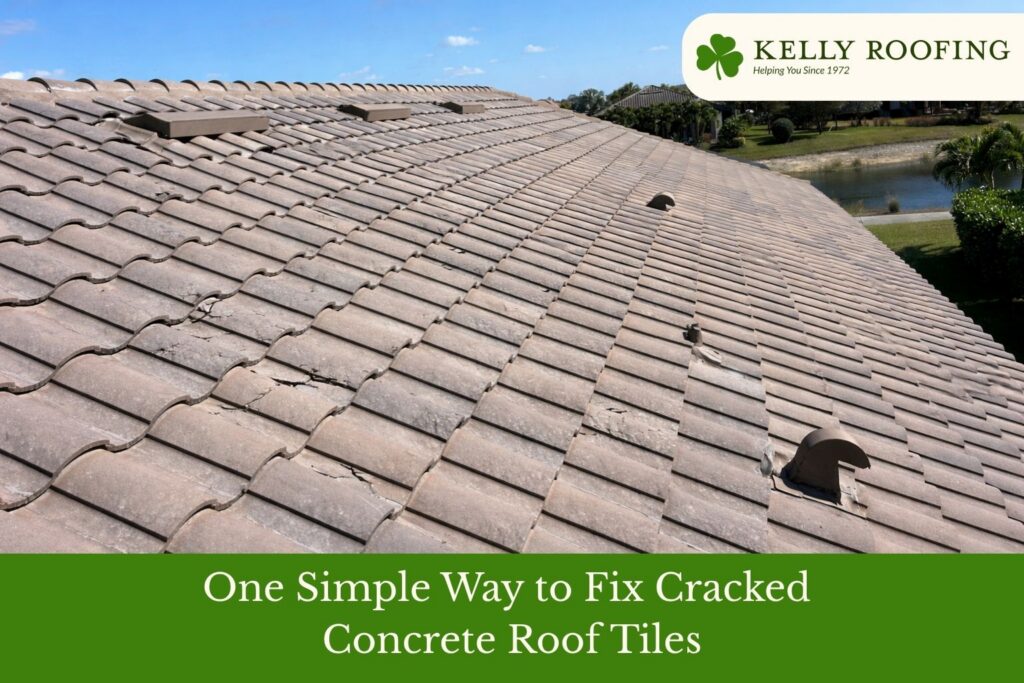
| Tile (Concrete/Clay) | 50+ Years | Classic Florida look, fireproof | Very heavy; needs strong deck |
| Tesla Solar Roof | 25-30 Years | Generates power, beautiful | Premium investment |
One of the most exciting trends we are seeing is the rise of solar. Homeowners are no longer stuck with bulky blue panels. Options like solar shingles or the Tesla Solar Roof integrate the technology directly into the roof itself. Plus, there is a significant federal tax credit for solar installations that can help offset the cost.
When to Choose Repair vs. Full Replacement
This is the question every homeowner asks: “Can I just patch it?”
When to Choose Repair:
- Localized Damage: A tree branch fell and broke a few tiles in one spot.
- Newer Roof: If your roof is only 5-10 years old, a repair is usually the way to go.
- Budget Constraints: If a full replacement isn’t in the cards, a professional repair can buy you a few more years.
When to Consider Full Replacement:
- Age: If your asphalt shingles are hitting the 20-year mark, they are likely brittle and ready to fail.
- Granule Loss: If your gutters look like they are filled with “roof dandruff” (loose granules), your shingles have lost their UV protection.
- Widespread Leaks: If you have water spots in multiple rooms, the underlayment is likely compromised.
- Curling/Buckling: This is a sign that the shingles are no longer shedding water properly.
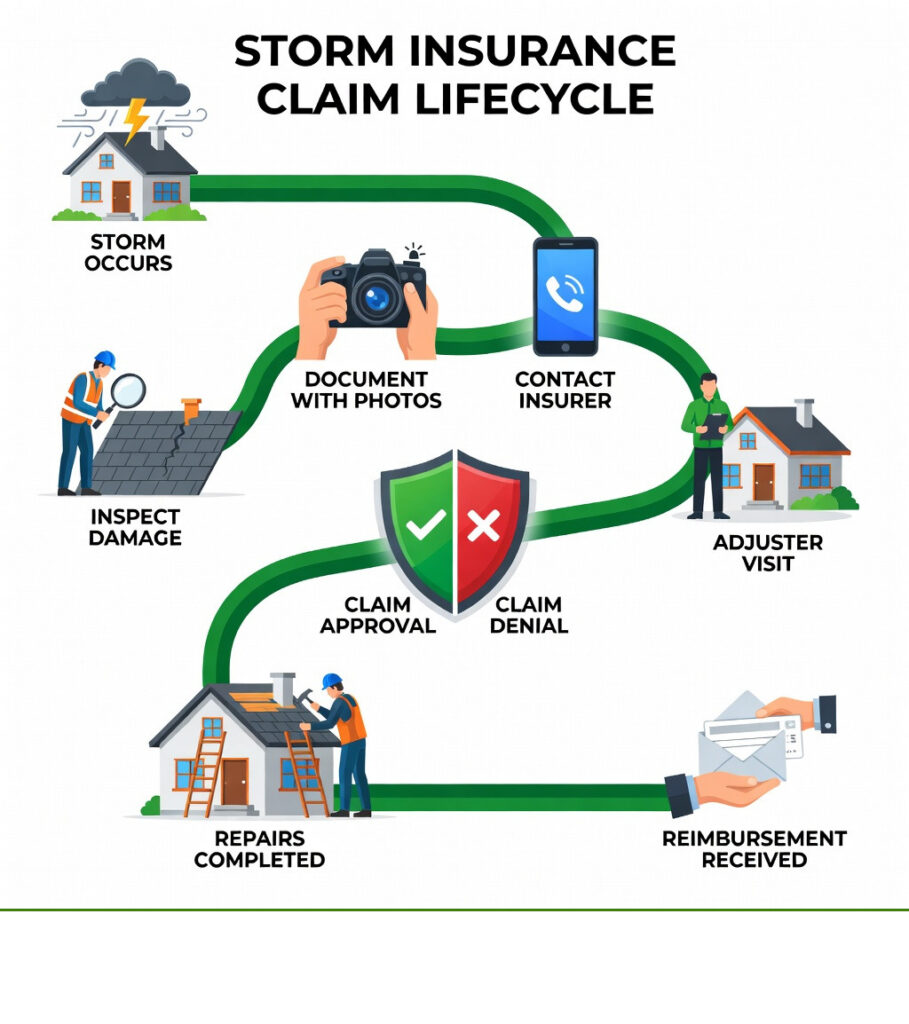
If you’ve experienced a major Florida storm, the process for insurance claims is specific. You should first have a professional roofer inspect the damage and take photos. Then, contact your insurance provider to file a claim. When the adjuster arrives, your roofer should be there to ensure all damage—even the hidden stuff—is documented.
Safety Standards and the Future of Roofers
Roofing is consistently ranked as one of the top five most dangerous professions. Because of this, OSHA (the Occupational Safety and Health Administration) has very strict fall protection criteria for any work done 6 feet or more above a lower level.
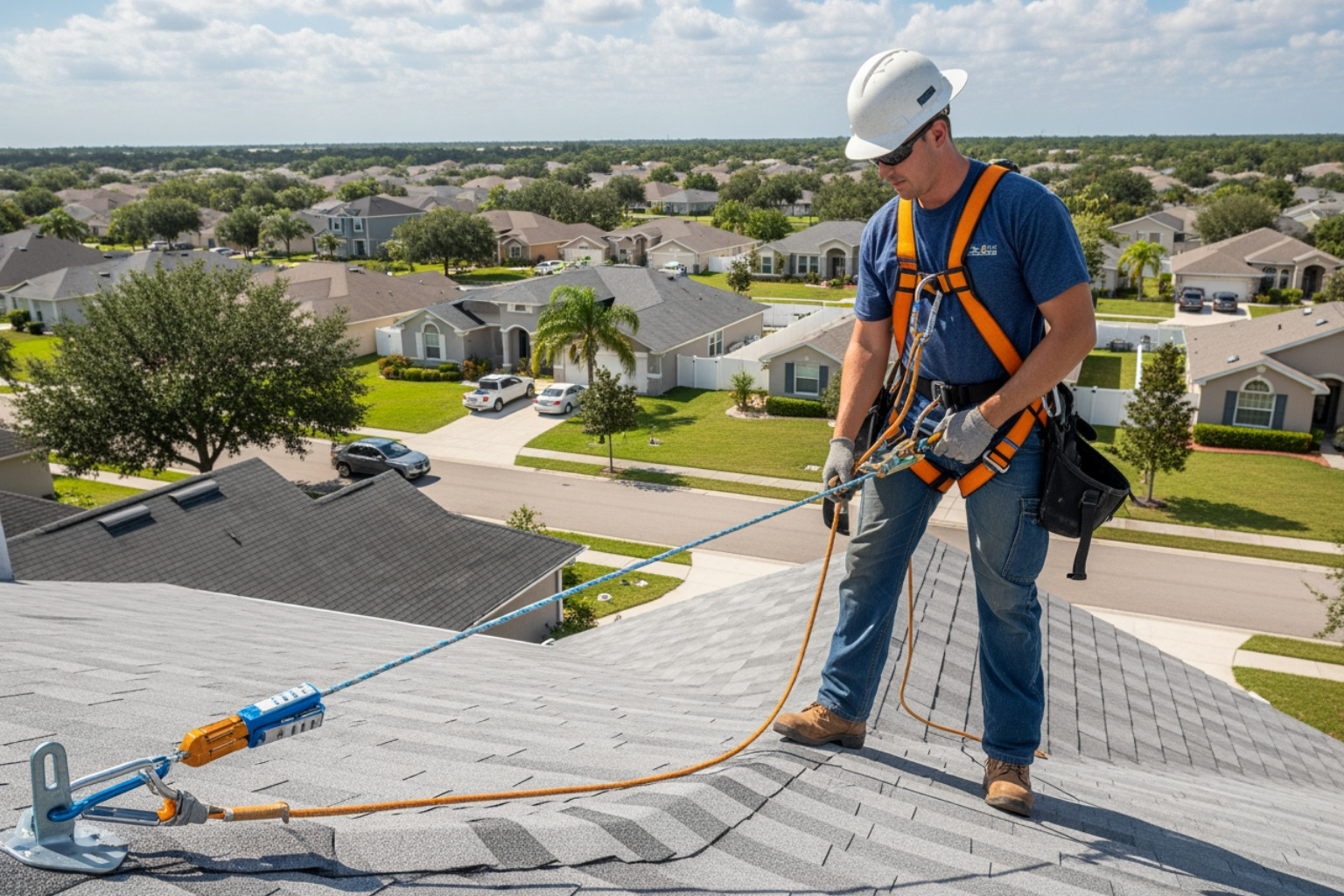
Professional Roofers use a Personal Fall Arrest System (PFAS), which includes:
- Anchorage: A secure point on the roof capable of supporting 5,000 pounds.
- Body Harness: Worn by the worker to distribute the force of a fall.
- Connector: A lanyard or lifeline connecting the harness to the anchor.
Other safety measures include guardrails, safety nets, and “warning lines” to alert workers when they are getting too close to the edge.
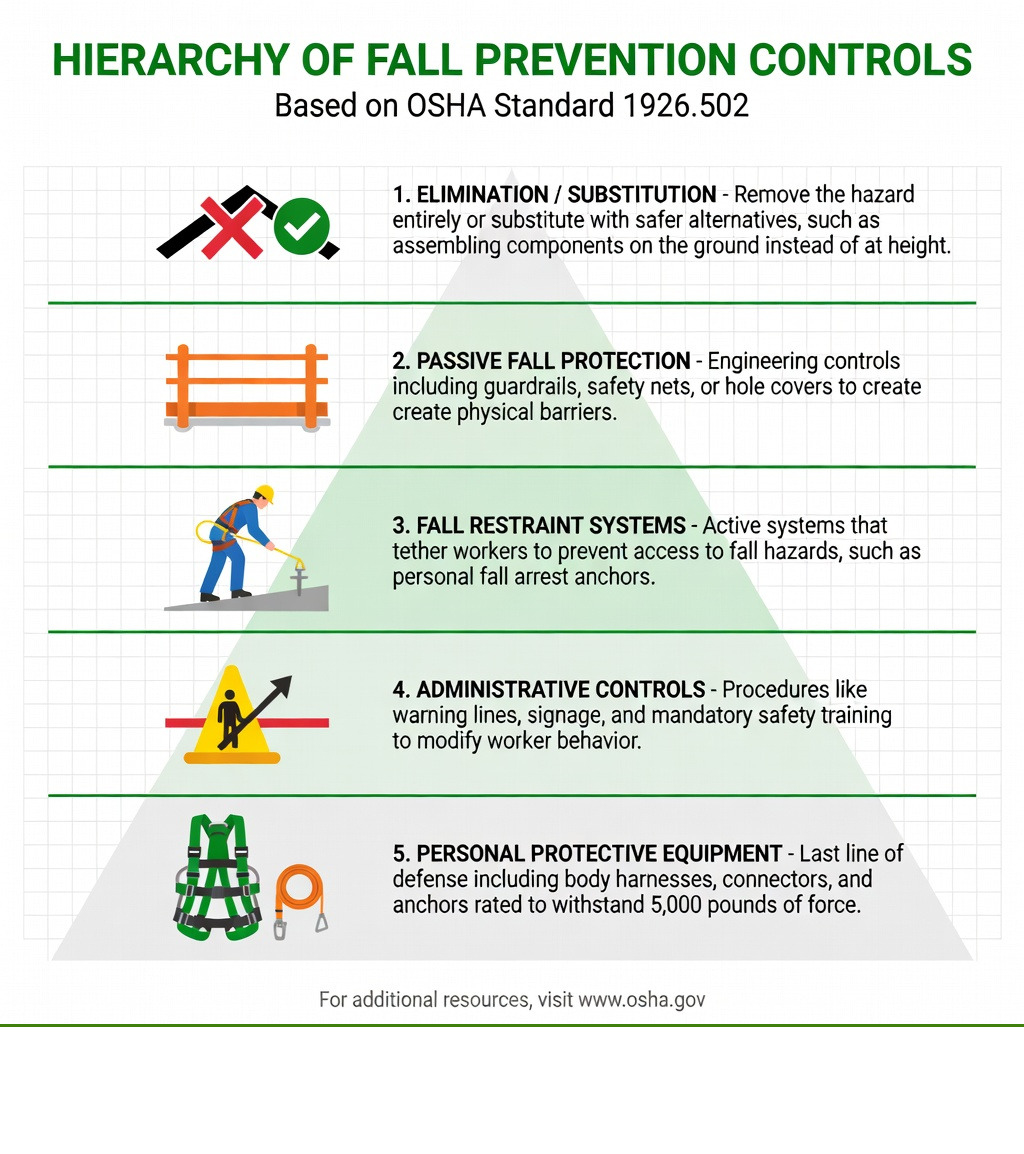
The physical demands are also intense. Roofers spend their days climbing, bending, kneeling, and lifting heavy materials in the Florida sun. This is why we prioritize safety training and “toolbox talks”—short safety meetings held on-site to keep everyone focused.
Job Outlook and Economic Impact for Roofers
The demand for Roofers is growing. According to the Bureau of Labor Statistics, employment is projected to grow 6% through 2034, which is faster than the average for most jobs.
- Median Annual Wage: $50,970 ($24.51 per hour).
- Job Openings: About 12,700 openings are projected each year.
- Workforce: There were approximately 166,700 Roofers employed in 2024.
You will find three main types of professionals in this industry:
- Union Roofers: Often have more structured training, higher wages, and robust benefits.
- Independent Contractors: Small teams that may offer lower prices but sometimes have more limited warranties.
- Specialized Companies: Larger firms (like ours!) that handle everything from standard shingles to high-tech solar installations.
Long-Term Maintenance and Professional Support
In the Florida climate, maintenance isn’t optional—it’s a survival strategy for your home. To extend the life of your roof, we recommend a “Plan, Provide, Train” approach to maintenance.
Actionable Steps for Homeowners:
- Biannual Inspections: Check your roof every spring and autumn.
- Clear Debris: Keep leaves, twigs, and moss off the surface to prevent algae and mold.
- Trim Branches: Ensure no tree limbs are within 10 feet of your roof to prevent “mechanical damage” during winds.
- Gutter Cleaning: Clogged gutters cause water to back up under your shingles, leading to rot.
At Kelly Roofing, we’ve been part of the Florida community since 1972. As a family-owned business, we understand the unique challenges of roofing in places like Naples, Sarasota, and Fort Myers. Whether it’s a quick repair after a summer thunderstorm or a full Tesla Solar Roof installation to help you save on energy bills, we focus on unmatched craftsmanship and peace of mind.
If you are noticing signs of wear or just want to ensure your home is ready for the next hurricane season, don’t wait for a leak to tell you there’s a problem. More info about roofing services is just a click away.
Your roof protects everything you love. Make sure the Roofers you hire are as committed to your home as you are.