At Kelly Roofing, we’ve been watching hurricane season roll through Southwest Florida since 1972 — and in that time, we’ve seen firsthand what separates a roof that holds from one that doesn’t. The difference usually comes down to preparation, not luck. Knowing how to prepare your roof for a hurricane before the first storm warning hits gives you options. Waiting until the wind picks up takes them away. This guide walks you through everything a Florida homeowner needs to know: when to inspect, what to look for, which materials stand up to the worst storms, and how insurance fits into the picture. Whether your roof is five years old or twenty, a little planning now goes a long way when the season gets serious.
When Should You Have Your Roof Inspected Before Hurricane Season?
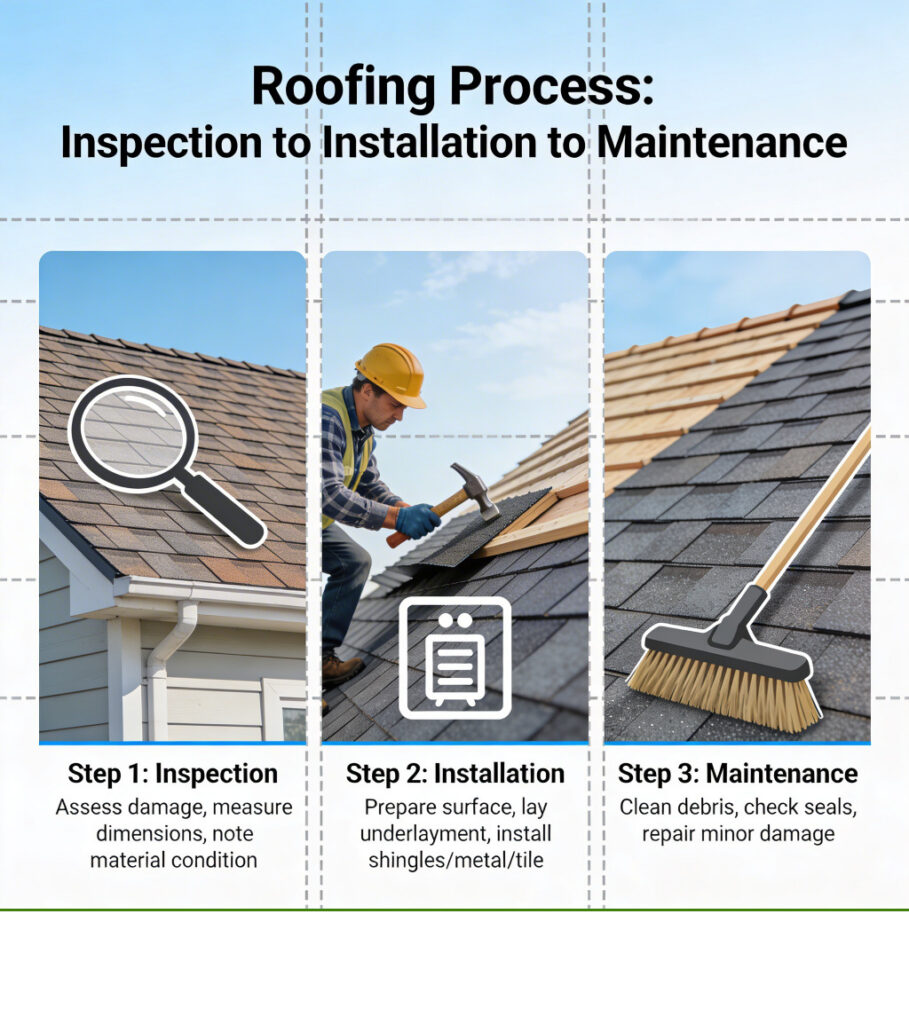
Ideally, homeowners should schedule a roof inspection before June 1st, with March and April often being the best times to address any needed repairs before hurricane season begins. The first of June marks the official start of the Atlantic hurricane season, and you want any repairs identified and scheduled well before storm watches start appearing on the evening news. Contractors book up fast once the season gets active, so getting ahead of the rush matters. A professional roof inspection before hurricane season gives you a clear picture of what’s holding strong and what needs attention, but homeowners can still benefit from inspections throughout the season. It also creates a documented record of your roof’s condition, which can matter when you file an insurance claim later. Free inspections are available through Kelly Roofing, so there’s no reason to put it off.
What Parts of a Roof Are Most Vulnerable to Hurricane Damage?
Understanding where your roof is most at risk helps you have smarter conversations with your contractor and know exactly what to ask about during an inspection. Hurricanes don’t attack a roof evenly. They find the weak points and exploit them.
Roof Edges and Corners
The edges and corners of your roof experience the highest wind uplift during a storm. This is where shingles or tiles are most likely to peel back or detach entirely. Proper edge flashing and secure fastening along the perimeter are critical lines of defense.
Flashing and Sealants
Flashing is a weatherproofing material installed at vulnerable roof intersections—such as where chimneys, skylights, vents, and walls meet the roof. When flashing becomes loose, cracked, damaged, or improperly sealed, water can quickly find its way into the home during heavy rain. Checking the condition of flashing is a standard part of any pre-hurricane roof inspection.
Roof Decking and Underlayment
Beneath your shingles or tiles are two critical components of your roofing system: the underlayment and the roof decking. The underlayment serves as a secondary water barrier, helping prevent water from reaching your living space if wind-driven rain or storm damage allows moisture to get past the roof’s surface. However, underlayment is not designed for prolonged exposure to the elements. Over time, age, heat, moisture, and repeated weather exposure can cause it to deteriorate, increasing the risk of leaks and water damage.
The roof decking is the structural foundation of your roof, providing the surface to which the roofing materials are attached. If the decking becomes weakened by moisture, rot, or previous storm damage, it can compromise the overall performance of the roof system. During a roof inspection, both the condition of the underlayment and the integrity of the roof decking should be evaluated to help ensure your home is ready for hurricane season.
Skylights and Ventilation Points
Any penetration in the roof is a potential entry point for wind and water. Skylights and vents need to be properly sealed and in good condition heading into hurricane season. These are easy to overlook but consistently show up as problem areas after major storms.
What Is a Wind Mitigation Inspection and Do You Need One?
A wind mitigation inspection is a formal assessment of the features of your home that help reduce damage from high winds. A licensed inspector evaluates things like roof shape, the strength of the connection between your roof and walls, the type of decking used, and whether your roof covering meets current building codes.
In Florida, a wind mitigation report is submitted to your homeowners’ insurance company and can result in meaningful premium discounts. For a home in Southwest Florida, those savings add up year after year. If your roof was replaced or significantly updated after 2002, there’s a good chance you qualify for credits you haven’t claimed yet. A wind mitigation inspection is specialized and separate from a standard roof inspection: Kelly Roofing can refer you to a licensed professional.
Can Wind Mitigation Improvements Lower Your Insurance Bill?
Yes, and in Florida, the savings can be significant. The state requires insurance companies to offer discounts for specific wind mitigation features, including hurricane straps or clips connecting the roof to the wall structure, impact-resistant roofing materials, and a secondary water barrier under the roof covering.
Depending on the home and insurance carrier, qualifying wind mitigation features can result in substantial premium reductions. If you’ve made improvements to your roof in the past few years and haven’t updated your wind mitigation report, you may be leaving money on the table. Talking to your insurance agent after your next inspection is a smart move, especially in a market where premiums have been climbing.
How Do You Know If Your Roof Can Handle a Category 3 or 4 Hurricane?
This is one of the most common questions Florida homeowners ask, and the honest answer is that no roof comes with a guarantee against a direct hit from a major hurricane. What you can know is whether your roof meets current Florida Building Code standards, which were strengthened significantly after Hurricane Andrew in 1992 and updated again after the 2004 and 2005 storm seasons.
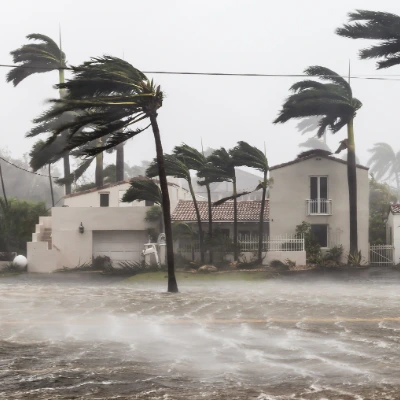
A professional inspection, combined with a wind mitigation report, will provide the specific ratings of your roof’s components. Key factors include the number of nails used in the decking, the type of attachment between your roof frame and the walls, and whether your roof covering has been tested to current impact and wind-speed standards. If your home was built before 2002 and the roof hasn’t been replaced, there’s a reasonable chance it doesn’t meet current code. Knowing that before a storm is far better than finding out after one.
What Is the Best Roofing Material for Hurricane Resistance in Florida?
Florida homeowners have a few strong options when it comes to hurricane-resistant roofing materials, and the right choice depends on your home, your budget, and how long you plan to stay. Each material has real advantages worth understanding before you make a decision.
Metal Roofing
Metal roofing is one of the top performers in high-wind conditions. A properly installed standing-seam metal roof can withstand winds well above 140 mph and is resistant to both wind-driven rain and impact damage. Metal roofs also carry long lifespans, often 40 to 50 years, which makes them a strong fit for homeowners thinking in decades, not just years.
Concrete and Clay Tile
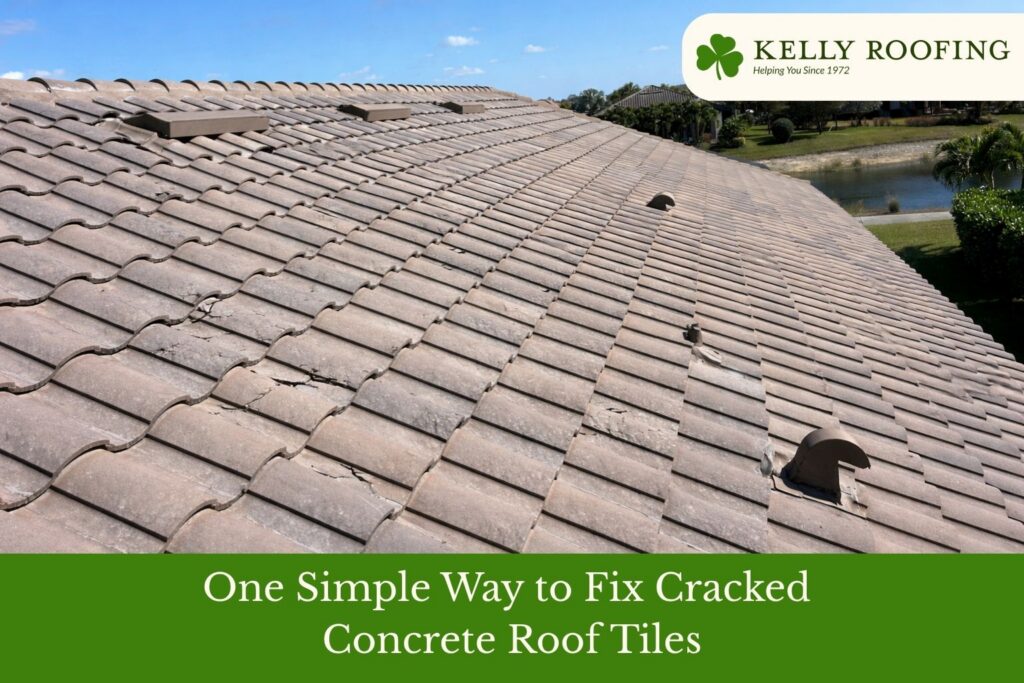
Tile roofing is a staple of Southwest Florida architecture and, when properly installed with hurricane straps, and a solid underlayment system, it holds up well in storms. The tile’s weight actually works in its favor during high winds. The key is the quality of installation and the condition of the mortar, flashing, and underlayment beneath it. Even the best roofing materials can be vulnerable if critical details like flashing are improperly installed or have deteriorated over time.
Asphalt Shingles
Modern architectural-grade asphalt shingles rated for high-wind performance can meet Florida Building Code requirements and provide solid protection at a lower upfront cost. The important factor is the wind rating of the specific shingle and how it’s installed. Not all asphalt shingles are equal, and impact-resistant options are worth the upgrade in hurricane country.
Should You Clean Your Gutters Before Hurricane Season?
Absolutely. Many homeowners focus on their roof before hurricane season but forget about their gutters. When gutters are packed with leaves, debris, or buildup from the dry season, water has nowhere to go during a heavy storm. It backs up along the roofline, gets under the shingles or tiles, and starts working on your fascia, soffit, and the edges of your decking.
Cleaning your gutters before hurricane season begins is a straightforward task that costs little but protects a lot. If your gutters are damaged, sagging, leaking, or pulling away from the home, it’s important to address those issues before the first major storm arrives. At Kelly Roofing, we can help with gutter cleaning, repairs, and full gutter replacements to ensure your drainage system is ready for Florida’s heavy rains.
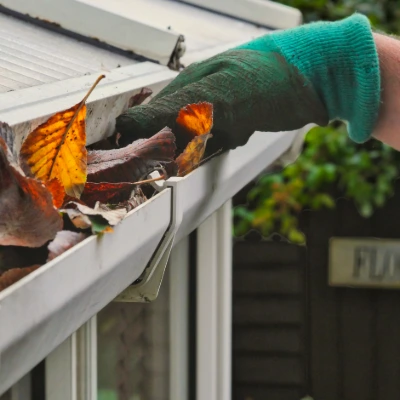
Seamless gutters are worth considering if your current system is older or has joints that separate over time. They handle high-volume water flow more efficiently and are less likely to develop leaks or pull away from the fascia during severe weather.
Does Homeowners Insurance Cover Hurricane Roof Damage in Florida?
Most standard homeowners’ insurance policies in Florida do cover hurricane-related roof damage, but the details matter. Florida insurance policies often have a separate hurricane deductible, typically 2 to 5 percent of the home’s insured value, rather than a flat dollar amount. On a $400,000 home, that’s $8,000 to $20,000 out of pocket before your coverage kicks in.
Coverage can also be affected by the age and condition of your roof at the time of the storm. Some insurers will only pay actual cash value on older roofs rather than the full replacement cost, which means depreciation reduces your payout. Getting a documented inspection before hurricane season gives you a clear record of your roof’s pre-storm condition, which can support your claim and speed up the process if damage does occur.
What Happens If Your Roof Is Damaged During a Storm?
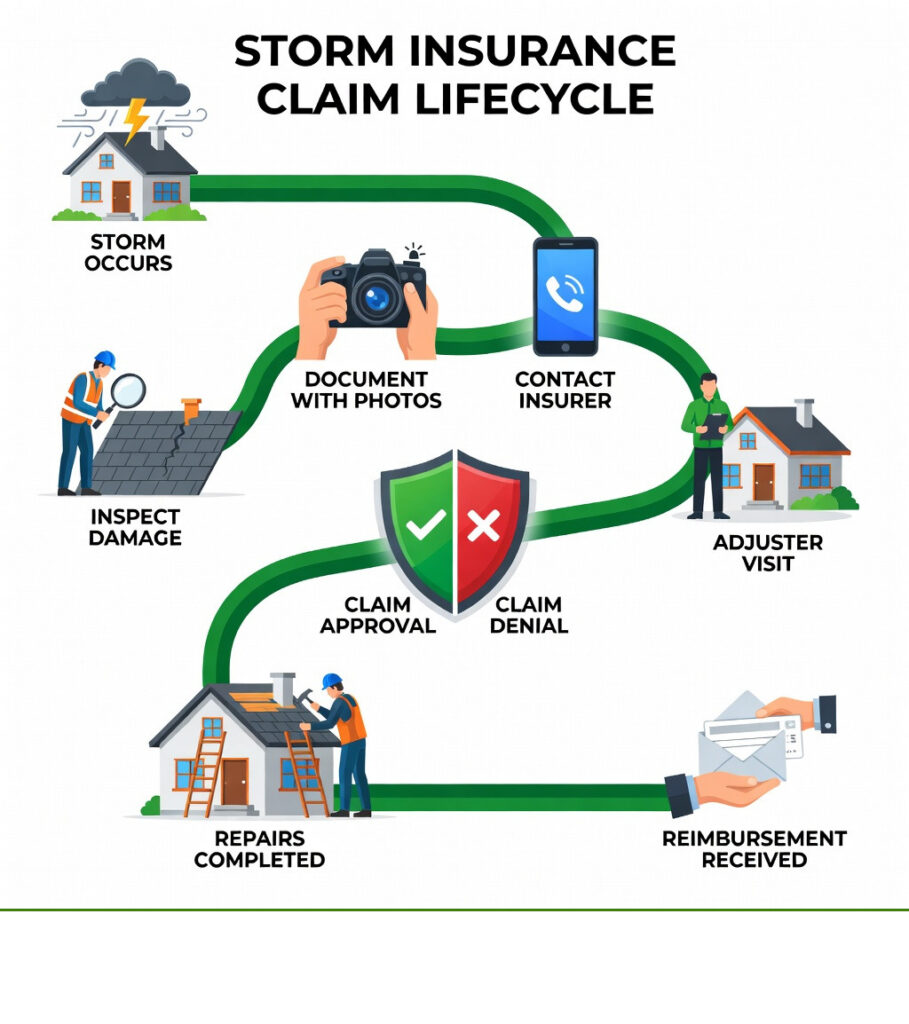
Contact a licensed roofing contractor to assess and document the damage, and notify your insurance company as soon as possible, in accordance with your policy requirements. A thorough damage assessment gives you an accurate picture of what happened, supports your claim with documentation, and keeps you from accepting a settlement that doesn’t cover the actual cost of repairs.
Kelly Roofing offers emergency storm response across Southwest Florida. Our team can get to your home quickly, document the damage properly, and walk you through the next steps with your insurance company. We’re not storm chasers. We’re a three-generation family business that’s been in this community since 1972, and we’ll still be here after your claim is closed.
A Quick Hurricane Season Roof Checklist
Before June 1st, run through these basics to make sure your roof is ready:
- Schedule a professional roof inspection before hurricane season starts
- Ask about a wind mitigation inspection and share the results with your insurer
- Check and clean gutters and downspouts
- Look at flashing around skylights, chimneys, and vents
- Confirm your roof meets current Florida Building Code standards
- Review your homeowners’ insurance policy and understand your hurricane deductible
- Know who to call the moment storm damage happens
Get a Free Roof Inspection Before the Season Starts
There’s no better time than right now to know exactly where your roof stands. Contact Kelly Roofing today to schedule your free inspection. We serve homeowners across Collier, Lee, Sarasota, Charlotte, and Manatee counties, from Naples and Fort Myers to Sarasota, Cape Coral, and beyond. Since 1972, more than 60,000 Florida homeowners have trusted Kelly Roofing to protect their homes through every season. With over five decades of experience in Southwest Florida, we understand what it takes to prepare a roof for hurricane season and keep it performing for years to come. Call us and talk to a real person who picks up the phone.