Kelly Roofing has spent more than 50 years helping Southwest Florida homeowners stay comfortable through some of the hottest, most humid summers in the country, and this year is shaping up to be one that tests every air conditioner in Naples, even into the fall. When the attic above your living space is under-insulated, your cooling system works harder than it should, your electric bill climbs, and rooms that should feel like a retreat from the heat never quite cool down. Attic insulation Florida homeowners can count on is one of the simplest, most proven ways to fix that.
Why This Summer Has Felt Hotter Than Usual
A normal Florida summer relies on a predictable daily rhythm: the morning sun heats the land, afternoon humidity builds, sea breezes collide inland, and reliable afternoon thunderstorms roll in to cool things back down. That daily storm cycle acts like a natural air conditioner for the whole peninsula.
This year, an unusually strong El Niño (warming of the surface waters in the central and eastern Pacific Ocean) is making it harder for those deep afternoon storms to form as consistently. Fewer storms mean fewer natural cool-downs, and the National Oceanic and Atmospheric Administration’s July assessment put the odds at 97 percent that this El Niño will continue into early spring 2027. (Official NOAA CPC ENSO Probabilities, 2026) In plain terms, homeowners across Naples, Bonita Springs, Fort Myers, and the rest of Southwest Florida should expect the heat to stick around longer than usual, which makes an efficient, well-insulated attic more valuable than ever.
How Does Attic Insulation Keep a Home Cooler in Summer?
Your roof takes the brunt of the Florida sun all day, and that heat has to go somewhere. Without enough insulation, it travels straight through the attic and into your living space, forcing your air conditioner to run longer and more often just to maintain a comfortable temperature.
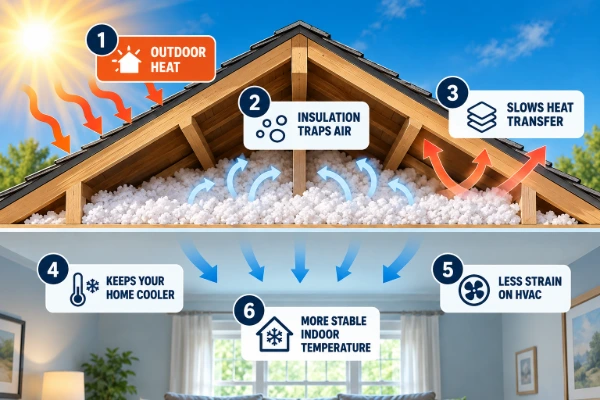
Insulation works by slowing the transfer of heat. It traps pockets of air that resist the flow of heat between your attic and the rooms below, so less of that outdoor heat load reaches your ceilings on the way in during summer, and less of your conditioned air escapes upward on the way out. The result is a more stable indoor temperature, less strain on your HVAC equipment, and a home that holds its cool air instead of losing the battle to the roof above it.
Cooling a Florida home typically accounts for 35 to 50 percent of a household’s total energy costs, which is why the attic, often the single largest source of unwanted heat gain, deserves attention before the peak of summer arrives.
What Is AttiCat ProCat Blown-In Insulation?
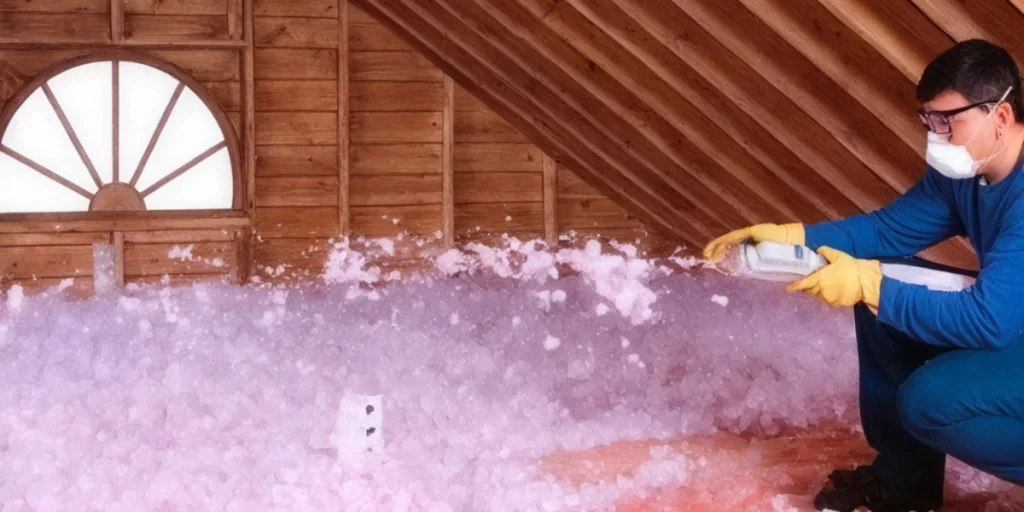
Kelly Roofing installs AttiCat® ProCat Blown-In PINK Fiberglass insulation, a professional-grade fiberglass insulation system designed to fill an attic evenly and thoroughly, including the tight corners and odd angles that hand-laid batts tend to miss.
A few qualities set it apart:
- Made from renewable materials. It is produced from 60 percent sand and 40 percent recycled glass, with nothing added: no binders, glue, chemicals, or additives.
- Built to last. It will not itch, crush, or settle over time, so the insulating performance you get on installation day is the performance you keep for years.
- Safer by design. It does not require fire-retardant chemicals that can corrode pipes or wiring, and it will not rot, decay, or support mold, fungus, or pest activity.
- Applied by a certified installer. Kelly Roofing is a certified Top of the House Insulation and Platinum Preferred Roofing installer with Owens Corning®. How insulation is installed directly affects its performance, which is why professional application matters as much as the product itself.
Because it is blown in rather than laid by hand, AttiCat ProCat reaches the nooks around vents, joists, and eaves that are easy to miss with traditional batts, giving the whole attic a consistent, even layer of protection.
Blown-In Insulation Benefits Worth Knowing
Homeowners who upgrade their attic insulation typically notice several changes at once, not just a lower thermostat setting:
- More consistent temperatures from room to room, with fewer hot spots near the ceiling
- Less strain on the air conditioning system, which can extend its working life
- A quieter, more comfortable living space year-round, not only in summer
- Lower humidity intrusion, since a well-insulated, well-sealed attic helps keep outside moisture from working its way into the home
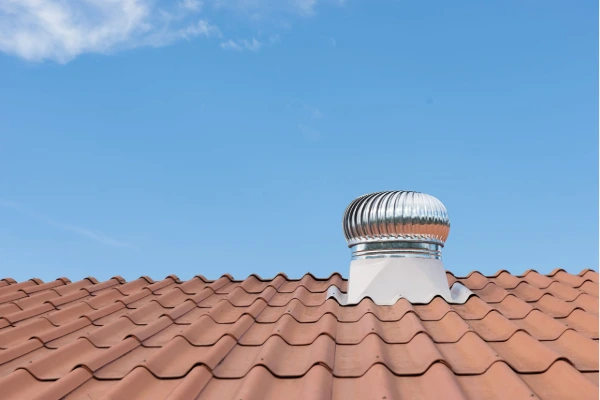
Paired with proper attic ventilation, blown-in insulation performs even better, since good airflow prevents heat and moisture from building up in the attic in the first place. On its own, fiberglass insulation has the highest R-value, or thermal resistance rating, among common insulation types, and R-value is the measure that determines how effectively a material slows the flow of heat. The higher the R-value, the more resistance the insulation provides, which is why upgrading from an older, thinner layer to a modern, properly rated one can make such a noticeable difference in comfort.
How Much Can Better Attic Insulation Lower Cooling Costs?
The numbers here are worth paying attention to. A standard single-family home that upgrades from an older R-19 level of insulation to a modern R-38 level typically sees a minimum 20 percent reduction in combined heating and cooling costs. For a household with an average $200 monthly electric bill, where roughly half typically goes toward cooling and heating, that works out to about a $20 monthly reduction, or close to $320 a year, simply by bringing the attic up to a proper R-value.
Nationally, the Department of Energy has found that about 60 million American homes are under-insulated, resulting in a combined annual cost of $8.2 billion in wasted energy. Roughly 78 percent of homeowners have never added insulation to their attics, often because they assume their homes already have enough. Meanwhile, 80 percent of homes built before 1980 fall short of current government insulation standards, and even newer homes are often insulated only to the bare minimum required by code, not to the level that optimizes energy efficiency. (Florida Building Code Insulation Requirements and R-Values, 2026)
For a homeowner who has lived in the same well-built Southwest Florida home for years or decades, this is a case where the numbers speak for themselves: a home that was properly built to the standards of its era may simply be due for an upgrade now that both the climate and the technology have moved on.
How Do I Know If My Attic Needs More Insulation?

A few signs tend to show up before a homeowner ever climbs into the attic to look:
Uneven room temperatures. Some rooms, especially those closest to the roofline, feel warmer than others, no matter how the thermostat is set.
Rising electric bills. Costs creep p over time, even though your habits and equipment have not changed.
An air conditioner that runs constantly. The system cycles on and off more oftn, or seems to run continuously during peak afternoon heat, as it works to compensate for heat gain it cannot keep up with.
A hot attic and hot ceilings. If the attic feels noticeably hot to the touch or the ceiling below it feels warm during the day, heat is very likely moving straight through into the living space.
A home built or last insulated many years ago. Given how many homes fall short of current standards, age alone is often reason enough to have the attic checked.
None of these signs guarantees a problem on their own, but taken together, they are a reasonable prompt to have a professional take a look before another Florida summer runs its course.
It also helps to consider your home’s age alongside these signs. Building codes and insulation standards have changed considerably over the decades, and a home that was fully up to code when it was built may only meet the bare minimum insulation level required at that time, not the level that today’s technology and today’s climate call for. A home built or last re-insulated 20, 30, or 40 years ago is a reasonable candidate for a fresh look, even if nothing seems obviously wrong on the surface.
Does Kelly Roofing Offer Insulation Inspections?
Yes. Kelly Roofing offers free inspections, and a member of our team can assess your attic’s current insulation level, ventilation, and overall condition to determine whether AttiCat ProCat Blown-In insulation would make a meaningful difference in your home’s comfort and energy costs. Our phones are answered 24 hours a day, 7 days a week, and we schedule inspections Monday through Friday, 8 a.m. to 5 p.m. Every inspection comes from a company that has served Southwest Florida homeowners since 1972, three generations of the same family, with no pressure and no surprises in the process.
Backed by More Than 50 Years in Southwest Florida
Kelly Roofing has earned a spot on America’s Top 100 Roofing Contractors list every year since 2003 and has helped more than 60,000 homeowners across the Gulf Coast protect their homes, from Naples and Bonita Springs to Fort Myers. Every homeowner works with a dedicated project manager from start to finish and a factory-trained crew, whether the project is a full roof replacement or an attic insulation upgrade designed to keep the household cooler and the energy bill lower.
Naples homeowners have relied on attic insulation for decades, and for good reason. It is one of the most provable, cost-effective steps a household can take to protect the comfort of a home built to last, especially with a hot, humid stretch of Florida weather expected to continue well into next year.
The company’s guiding values, Care, Communicate, and Consistency, shape how every project is handled, from the first phone call to the final walkthrough. That approach is behind the promise that homeowners will never have to worry about their roofs or attics again.
Ready to Cool Things Down?
If your attic has not been checked in years, or if your energy bills and room temperatures have you wondering whether your insulation is pulling its weight, now is a good time to find out. Contact Kelly Roofing today to schedule a free inspection and get a clear, written recommendation to keep your home cooler this summer and every summer after.