What to Do When Your Shingle Roof Is Leaking
If your goal is to repair a leaking shingle roof, start with these 7 key steps – and know when it makes sense to call a roofing professional.
- Spot the warning signs – Watch for water stains on ceilings or walls, musty smells, visible mold, or missing and damaged shingles. These clues can point to a leak, but they do not always reveal the true source.
- Protect your interior – Move furniture, electronics, and valuables away from the affected area. Use buckets, towels, or plastic sheeting to catch drips and help limit indoor water damage.
- Avoid climbing on the roof – A leaking roof can be slippery, unstable, and dangerous, especially after rain or a storm. Walking on shingles can also make hidden damage worse.
- Call a roofing professional – A qualified roofer can inspect the roof properly and trace the real entry point. Many roof leaks show up far from where the water actually gets in.
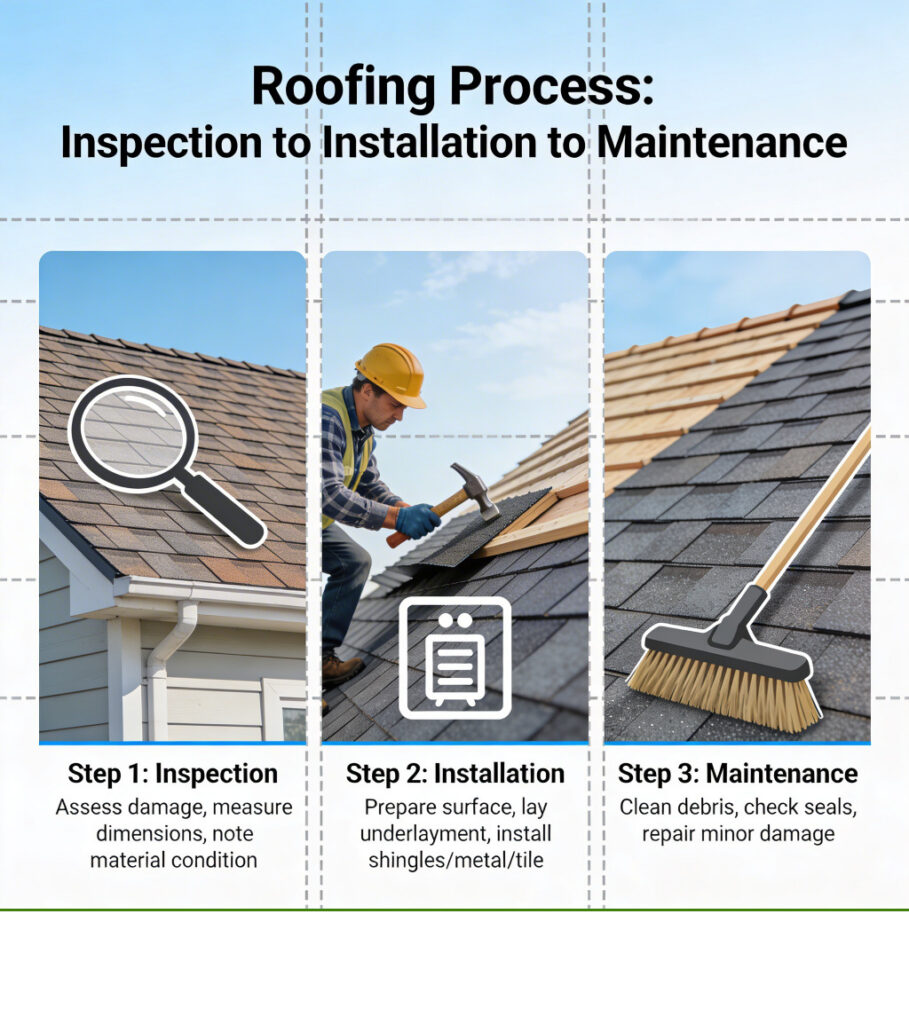
- Get a full damage assessment – Have the roof checked for problems with shingles, flashing, vents, valleys, and underlayment. This helps determine whether the issue is a simple repair or a larger structural concern.
- Use temporary protection if needed – In some cases, professional tarping is the best way to reduce further water intrusion until permanent repairs can be completed, especially after severe weather.
- Repair or replace based on expert advice – Minor, isolated damage may only need a targeted repair. If problems are widespread, the roof is older, or the decking is compromised, replacement may be the smarter long-term solution.
Asphalt shingles cover nearly 70% of homes in the U.S. They are popular for good reason – they are affordable, durable, and relatively easy to repair. Most shingle roofs are built to last between 15 and 50 years.
But even a well-built roof can spring a leak.
Florida homeowners face some of the toughest roofing conditions anywhere – year-round UV exposure, heavy rainfall, and hurricane-force winds. A small leak left alone can quickly turn into water damage, mold, and costly structural repairs.
The good news? Many shingle roof leaks can be caught early and fixed before they become serious problems.
This guide explains what to look for and when to call a roofing professional for repairs.

Step-by-Step Guide to Repairing a Leaking Shingle Roof
Before the Kelly Roofing crew climbs up to repair a leaking shingle roof, safety comes first. Roof work in Florida is especially challenging because of heat, sudden weather changes, and steep slopes. That is exactly why this kind of repair is best handled by trained roofing professionals with the right equipment and experience.
For safety, avoid getting on the roof yourself. Even a simple leak check can be risky on asphalt shingles, especially on steep slopes or after wet weather. The safest approach is to have a trained roofing professional handle the inspection, ladder setup, and fall protection so the problem can be found without putting anyone at unnecessary risk.
Timing matters. Roof leak repairs should be handled on a dry day, when shingles are easier to work with and the roof surface is safer to access. In cooler weather, asphalt shingles can become brittle and crack. In extreme heat, they can soften too much and get damaged during repairs. That is one more reason many homeowners choose a professional roofing team to schedule the work under the right conditions and fix the leak correctly.

Safely Finding the Source of a Repair Leaking Shingle Roof
The hardest part of a roof leak is that the visible drip is often not the true source. Water can slip in near flashing or a vent, travel along framing, and show up somewhere else indoors. To find where the leak is coming from, a professional attic inspection is usually the smartest first step.
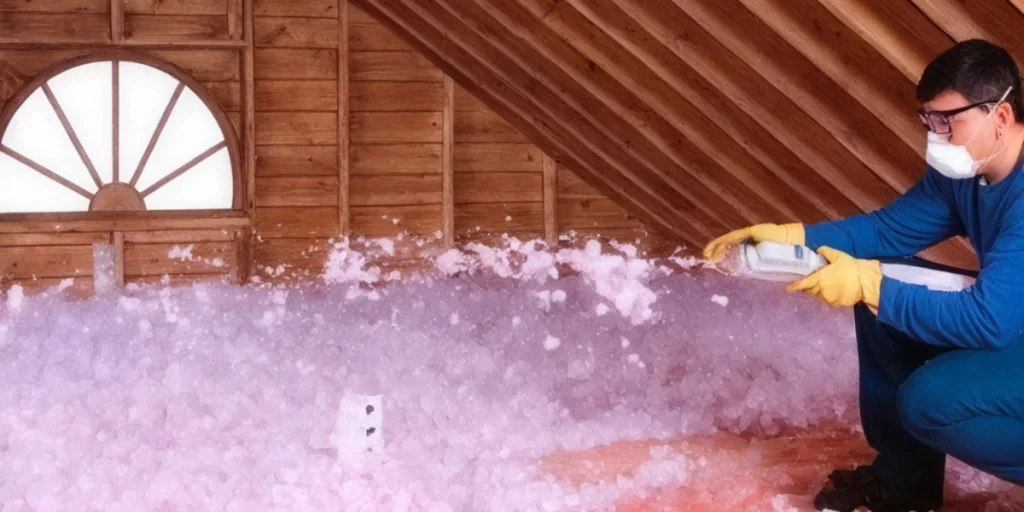
A professional roof inspection usually starts in the attic or crawlspace. The roofer will look for:
- Water stains or “tide marks” on sheathing or rafters
- Mold or mildew on insulation or wood
- Damp spots or moisture above the ceiling drywall
These clues help pinpoint where water is getting in, even when the drip shows up somewhere else inside the home.
If the leak source still is not clear, that is usually the point where it makes sense to bring in a roofing professional. Leak paths can be deceptive, and water often travels far from the actual entry point before it shows up inside. A trained roofer can test likely trouble spots like vents, valleys, and flashing in a controlled way and pinpoint the problem faster, with far less risk than climbing up and trying to guess.
Essential Tools and Materials Kelly Roofing Brings in Every Professional Shingle Repairs
You should not try to repair a leaking shingle roof even with the right tools, materials, and safety equipment. That is exactly why many homeowners choose a professional roofing team to handle the work correctly the first time.
- Flat bar: A pro uses this to lift shingles cleanly and remove old nails with less risk of damaging nearby materials.
- Utility knife: Roofers rely on a sharp blade to trim replacement shingles and cut out damaged sections accurately.
- Caulk gun: This helps technicians apply sealant evenly in targeted areas where water can sneak in.
- Roof sealant: Pros typically use asphalt roofing cement or another roof-compatible sealant for a durable weatherproof repair.
- Hammer: Used to fasten new materials securely, especially when replacing loose or missing shingles.
- Roofing nails: Galvanized roofing nails help resist rust and keep replacement shingles anchored properly.
- New shingles: Matching the existing shingle color and style matters for both appearance and proper roof performance.
Professional Repairs for Leaking Shingle Roof Damage
Once we’ve found the leak and have our tools ready, it’s time to get to work. Here is how we handle the most common types of shingle damage.
Fixing Curled Shingles
Curled shingles are more than a cosmetic issue. In Florida, heat, sun, and wind-driven rain can lift shingle edges and let water work underneath. The right fix is a professional repair that reseals or replaces the damaged shingle so the roof sheds water properly again. If you spot curling, it is smart to schedule service quickly before the leak spreads.
Repairing Cracked or Torn Shingles
Cracked or torn shingles may look minor, but they can let water into the roof system fast. A professional repair typically involves lifting the damaged shingle, applying roofing sealant where needed, and securing the area so it sheds water properly again. If the shingle is too damaged, replacement is usually the better long-term fix.
Replacing Missing or Heavily Damaged Shingles
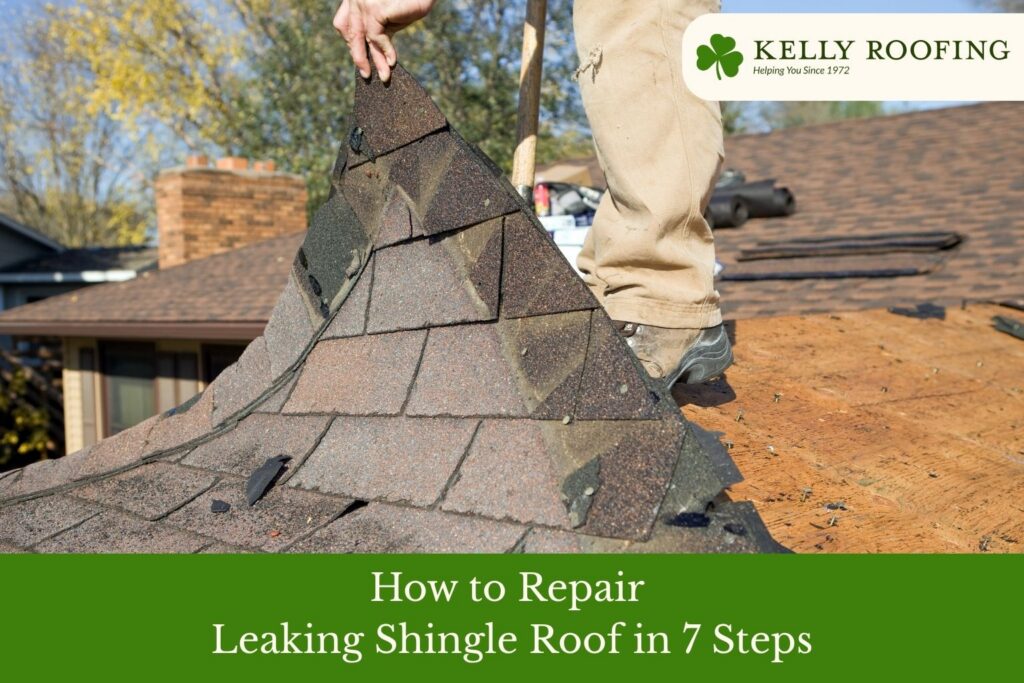
When a shingle is missing or too damaged to seal, patch, or resecure, the safest move is usually a professional replacement. A roofer will lift the shingles above the problem area, remove the fasteners holding the damaged shingle, clear away old roofing cement, and slide a matching replacement into place.
From there, the new shingle is aligned with the surrounding roof, fastened at the correct nailing strip, and sealed to help prevent future leaks. Pros also check for hidden problems underneath, like damaged underlayment or roof decking, which are easy to miss from the surface.
If water is actively entering the home, a temporary tarp can help limit damage until permanent repairs are completed.
Emergency Leak Protection
If a storm is approaching or water is actively entering your home, the safest move is to limit interior damage and call for professional roof repair right away. The right temporary fix depends on the source and severity of the leak. In some cases, a roofing team may use sealant, underlayment, replacement shingles, a temporary patch, or a tarp – or a combination of these methods – to help control water intrusion until permanent repairs can be completed.
Fixing Common Problem Areas: Vents, Flashing, and Valleys
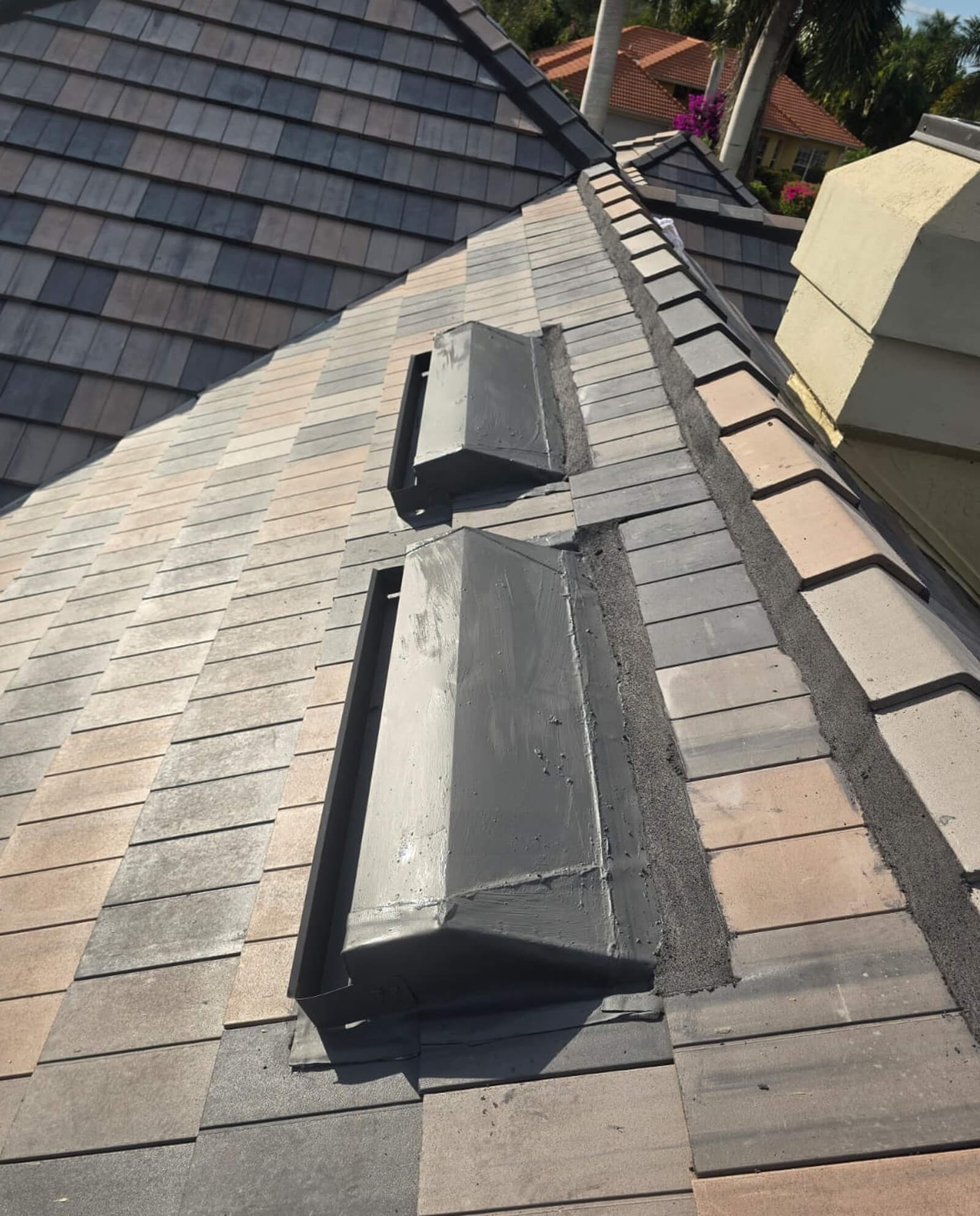
Most leaks do not begin in the flat shingle areas. They usually start around penetrations and transition points, where expert repair work matters most.
Plumbing Vents
Plumbing vent boots are one of the most common roof leak trouble spots, especially in Florida where intense sun can dry out and crack the rubber seal over time. Even when the metal flashing still looks solid, a failed boot can let water slip in around the pipe. A roofing professional can inspect the vent, confirm the source of the leak, and, when appropriate, replace just the boot without disturbing more of the roof than necessary.
Flashing
Flashing is the metal barrier around chimneys, skylights, and roof-to-wall joints. When flashing sealant breaks down or the metal starts to rust, water can slip underneath and cause leaks fast. Because flashing repairs need careful waterproofing and proper fit, this is usually a job best handled by a professional roofer. If the flashing is damaged, loose, or corroded, it may need resealing or full replacement to stop the leak for good.
Valleys
Valleys are the “V”-shaped channels where two roof slopes meet, and they handle a huge volume of water during heavy rain. That makes them one of the most common places for leaks to start. Problems often show up when shingles were installed incorrectly, flashing has worn out, or fasteners were placed too close to the center of the valley. Because valley repairs usually require lifting shingles and restoring the waterproof barrier underneath, this is work best handled by a roofing professional. In some cases, the repair includes replacing damaged valley flashing or adding new underlayment to help stop water from backing up. In colder regions, these areas are also where you must prevent ice dams.
Professional Solutions and Long-Term Maintenance
What looks like a minor roof leak can quickly turn into a bigger problem if the underlying damage is missed. A professional inspection helps catch the real cause early and can save you from far more expensive repairs later.
When to Call a Pro vs. Full Roof Replacement
One of the most common questions we get at Kelly Roofing is: “Can I just repair this, or do I need a whole new roof?”
If the damage is isolated, a prompt professional repair is often the most practical and cost-effective solution. But when leaks point to broader roof failure, ongoing repairs may only delay the need for a full replacement.
Signs You Need a Full Replacement:
- Age: If your shingle roof is approaching the 20-year mark, the asphalt has likely lost its essential oils and will become increasingly brittle.
- Widespread Granule Loss: If your gutters are constantly filled with “sand” (granules), your shingles no longer have UV protection.
- Sagging: This is a sign of structural damage to the roof deck or rafters.
- Multiple Leaks: If you are playing “whack-a-mole” with leaks in different areas, the underlayment has likely failed.
A professional inspection is often the best investment you can make. It costs significantly less than a major repair and can pinpoint exactly how much life is left in your roof.
Preventing Future Leaks and Extending Roof Lifespan
We’ve been roofing in Florida since 1972, and if there’s one thing we’ve learned, it’s that maintenance is cheaper than repair. To keep your roof in top shape and avoid having to repair a leaking shingle roof unexpectedly, follow these tips:
- Bi-Annual Inspections: Check your roof every spring and fall. Look for shingles that are lifting, cracked, or missing granules.
- Clean the Gutters: Clogged gutters cause water to back up under the “starter” row of shingles at the edge of your roof, leading to fascia rot and leaks.
- Trim the Trees: Overhanging branches can scrape shingles during high winds, stripping away the protective granules. They also drop debris that holds moisture against the roof surface.
- Check Attic Ventilation: A roof that “breathes” stays cooler. Excessive heat in the attic can literally cook your shingles from the inside out, causing them to blister and fail prematurely.
At Kelly Roofing, we pride ourselves on unmatched craftsmanship and quality. Whether you are in Naples, Sarasota, or Bradenton, our team understands the specific challenges the Florida climate poses to asphalt shingles. If you find yourself overwhelmed by a leak or simply want the peace of mind that comes with a professional touch, we are here to help.
From minor shingle-repair to full shingle roof replacement with hurricane-resistant materials, plus innovative Tesla Solar Roof installations, we help keep your home dry, durable, and protected.
Don’t wait for the next big Florida storm to test your roof. Take action today to find, fix, and prevent leaks, ensuring your home remains the safe haven it’s meant to be.