
Your roof is one of your home’s most critical protective systems, shielding you from the elements while adding to your property’s value. Knowing when to repair versus replace your roof can save you thousands of dollars and protect your home.
Signs That Your Roof Needs Attention
Before we dive into the repair versus replacement decision, it’s crucial to first determine whether your roof actually needs attention at all. Many homeowners either ignore obvious warning signs until minor problems become major issues, or conversely, worry unnecessarily about normal roof aging that doesn’t require immediate action. The key is learning to recognize the difference between cosmetic issues that can wait, minor problems that need prompt attention, and serious damage that demands immediate professional intervention. Regular roof assessments and understanding what to look for can help you catch problems early when they’re less expensive to fix, while also giving you peace of mind about your roof’s overall condition.
Exterior Warning Signs
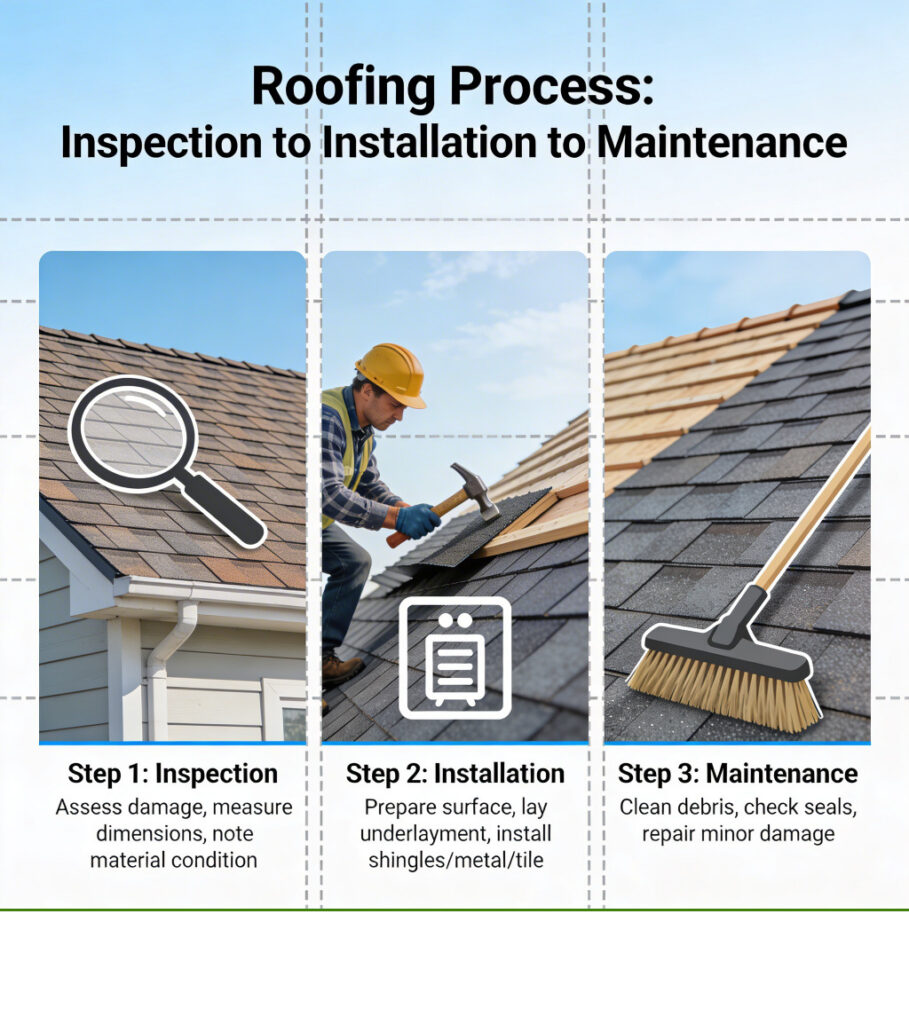
Start your roof assessment by walking around your home and looking up. Pay close attention to your roof’s valleys, where water naturally collects and flows. Damaged valley flashing or deteriorated valley materials can lead to serious water intrusion. Similarly, inspect the areas around chimneys, skylights, and vent penetrations for gaps, loose flashing, or damaged sealant.
Sagging sections of your roof are a serious concern that usually indicates structural damage to the underlying decking or support system. Gutters pulling away from the house or fascia boards showing signs of rot also suggest water damage that may require immediate attention. Here’s more specific signs to look for depending on the type of roof you have:
Asphalt Shingles:
Missing or damaged shingles are obvious red flags, but also watch for shingles that are curling at the edges, have lost significant granules, or appear cracked or split. After storms, check for lifted or displaced shingles that may have been damaged by wind.
Metal Roofs:
Look for rust spots, corrosion, or discoloration, especially around fasteners and seams. Check for loose or missing screws, dented panels from hail, or sections that appear to be pulling away from the roof structure. Paint fading or chalking is normal but extensive peeling may indicate underlying problems.
Tile Roofs:
Inspect for cracked, broken, or missing tiles, which are often caused by hail, falling debris, or foot traffic. Look for tiles that have shifted out of position or mortar that’s cracking around ridge tiles and hip areas.
Interior Warning Signs
Inside your home, water stains on ceilings or walls are clear indicators of roof problems. These stains may appear as brown or yellow discoloration and can show up far from the actual leak source, as water can travel along rafters before dripping down. Higher than normal energy bills can also indicate roof problems, as damaged or missing insulation from roof leaks reduces your home’s energy efficiency.
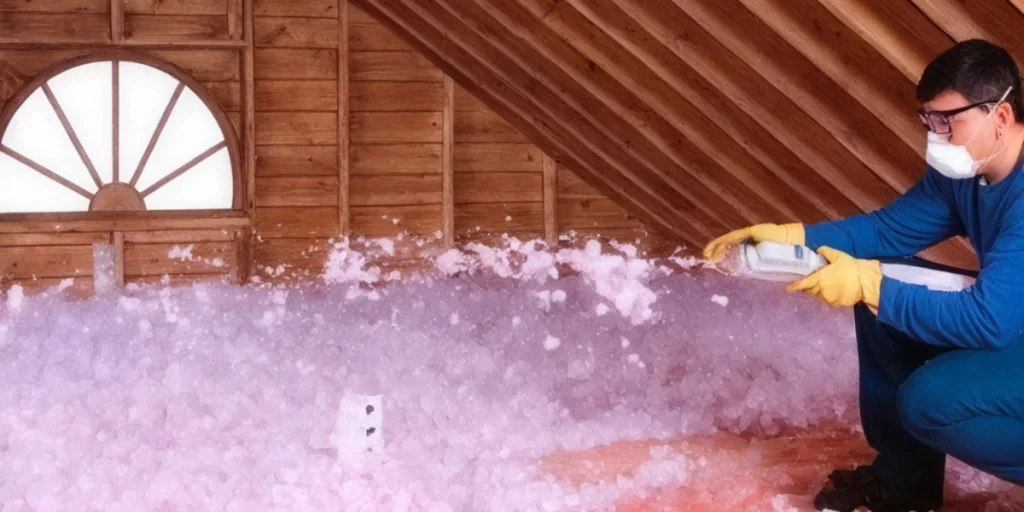
If you are able to check your attic for signs of moisture, including water stains on rafters, wet insulation, or musty odors that indicate mold growth. During daylight hours, look for any spots where light is coming through the roof decking – these are potential entry points for water.
Roof Repair or Replacement?
Once you’ve identified that your roof needs attention, the next critical step is determining whether to repair the existing roof or replace it entirely. This decision involves weighing multiple factors including the extent of damage, your roof’s age, cost considerations, and your long-term plans for the property.
Age: The Primary Decision Factor
The age of your roof is perhaps the most important factor in determining whether to repair or replace. Most asphalt shingle roofs last 15-25 years, while higher-quality materials can last longer. Tile roofs typically last 30+ years, and metal roofs last anywhere from 30 to 70 years depending on the type of metal.
If your roof is approaching or has exceeded its expected lifespan and you’re facing multiple repair issues, replacement is usually the more cost-effective long-term solution. Continual repairs on an aging roof often end up costing more than a new roof over time.
Insurance Considerations
Your homeowner’s insurance coverage plays a crucial role in roof repair and replacement decisions. Most policies cover sudden damage from storms, falling trees, or other covered perils, but they typically don’t cover damage from normal wear and tear or lack of maintenance.
Document all damage thoroughly with photos and detailed notes before making any repairs. Some insurance companies require roofs over a certain age to be replaced for continued coverage, while others may reduce coverage for older roofs. Work with reputable Florida roofing contractors who understand insurance requirements and can help navigate the claims process.
When to Replace Your Roof
Replacement becomes the smarter financial and safety choice when certain conditions exist. If your roof is over 20 years old for asphalt shingles or approaching the end of its expected lifespan for other materials, replacement is usually more cost-effective than continual repairs.
Multiple leaks throughout the roof indicate widespread failure of the roofing system. When you’re dealing with three or more separate leak areas, the underlying issues are typically too extensive for spot repairs to be effective long-term.
Extensive granule loss on asphalt shingles, where large areas appear smooth or bald, signals that the protective layer is gone and the shingles are nearing failure. Similarly, widespread curling, cracking, or missing shingles across multiple roof sections indicate systemic deterioration.
When repair costs exceed 25-30% of a new roof’s cost, replacement provides better value. For example, if repairs would cost $4,000 and a new roof costs $15,000, replacement is the wiser investment.
Structural issues like sagging sections, damaged decking, or compromised rafters require replacement because these problems affect the entire roofing system’s integrity. Energy bills that have increased significantly due to poor roof insulation or ventilation also favor replacement with modern, energy-efficient systems.
If you’re planning to stay in your home for more than five years and facing moderate to extensive damage, replacement eliminates ongoing repair costs and provides decades of worry-free protection.
When to Repair Your Roof
Repair is the right choice when damage is localized and your roof has substantial remaining lifespan. If your roof is less than halfway through its expected life and the damage affects only small, isolated areas, targeted repairs can restore full protection at a fraction of replacement cost.
Storm damage that affects a specific section—such as a tree branch damaging one slope or wind lifting shingles in a particular area—is ideal for repair. These localized problems don’t indicate broader roof failure.
Minor flashing issues around chimneys, skylights, or vents can often be fixed with professional resealing or flashing replacement. Similarly, a few missing or damaged shingles after a storm can be easily replaced without affecting the rest of the roof.
When the underlying roof structure and decking are sound, surface-level problems like moderate granule loss in small areas or minor leaks can be effectively repaired. If your attic inspection shows dry, solid wood and proper ventilation, the roof system’s foundation is still strong.
Repair makes financial sense when costs are under $2,000 and your roof has at least 5-7 years of expected life remaining. Quick repairs also make sense when you’re planning to sell your home within the next few years, as they address immediate issues without the major investment of full replacement.
If your roof passes most visual inspections but has one or two specific problem areas identified during professional assessment, targeted repairs can extend the roof’s life significantly while allowing you to budget for eventual replacement.
Making the Final Decision
The repair-versus-replace decision ultimately comes down to cost-effectiveness, safety, and peace of mind. Consider these key factors:
- Total cost comparison: Compare the cost of repairs plus likely future repairs against replacement costs
- Roof age and remaining lifespan: Factor in how much useful life your roof has left
- Extent of damage: Widespread problems usually favor replacement
- Your long-term plans: If you’re planning to sell soon, repairs might suffice; if staying long-term, replacement may offer better value
- Energy efficiency: New roofing systems offer better insulation and ventilation
- Peace of mind: A new roof eliminates ongoing worry about failures and emergency repairs
Don’t delay addressing roof problems once you’ve identified them. Small issues become expensive problems quickly, and water damage can affect your home’s structure, insulation, electrical systems, and belongings.
Whether you choose repair or replacement, work with licensed contractors who provide detailed written estimates and warranties on their work. Quality materials and professional installation are investments in your home’s protection and value.
Remember that a properly maintained roof not only protects your home but also contributes to energy efficiency, curb appeal, and property value. Making the right repair-or-replace decision today can save you money and headaches for years to come.